THE ADVENTURE COLLECTIVE® · Independent discovery and booking for outdoor travel

A demanding five-day trek from Cusco to Choquequirao delivers remote canyon vistas, large Inca terraces and true solitude. This guide outlines what to expect—from elevation swings and camp life to packing and timing your ascent.
A demanding five-day trek from Cusco to Choquequirao delivers remote canyon vistas, large Inca terraces and true solitude. This guide outlines what to expect—from elevation swings and camp life to packing and timing your ascent.
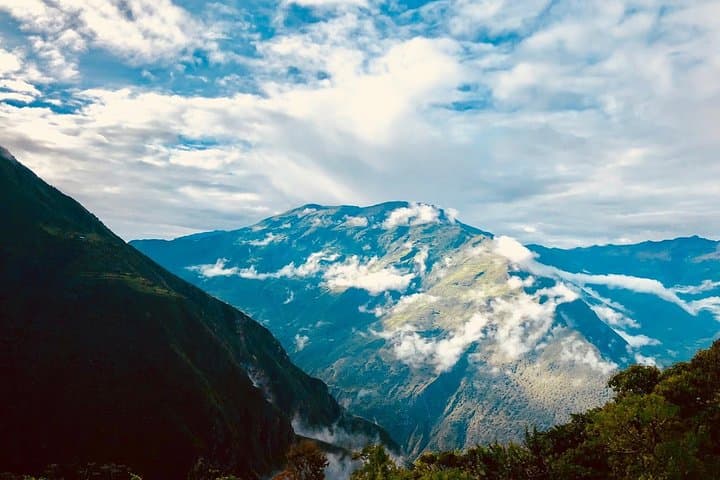
Dawn breaks over the high Andes and the trailhead outside Capuliyoc hums with the soft clop of mules and the hiss of morning breath. Hikers step onto a seldom-used path that drops into the Apurímac canyon, the river below daring you with its roar while terraces and switchbacks pull you deeper into a landscape shaped by glaciers and hands that carved stone centuries ago.
Verified experiences and guided adventures in the surrounding area.
Operated by Huaynas Expeditions · Cusco, Cusco Region
Dawn breaks over the high Andes and the trailhead outside Capuliyoc hums with the soft clop of mules and the hiss of morning breath. Hikers step onto a seldom-used path that drops into the Apurímac canyon, the river below daring you with its roar while terraces and switchbacks pull you deeper into a landscape shaped by glaciers and hands that carved stone centuries ago.
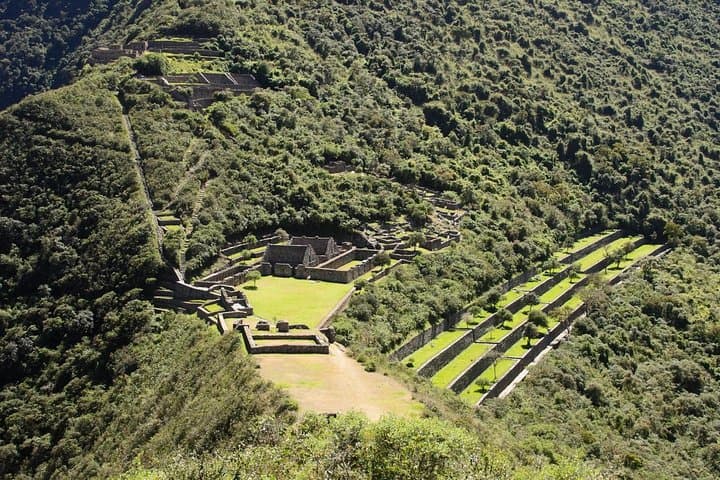
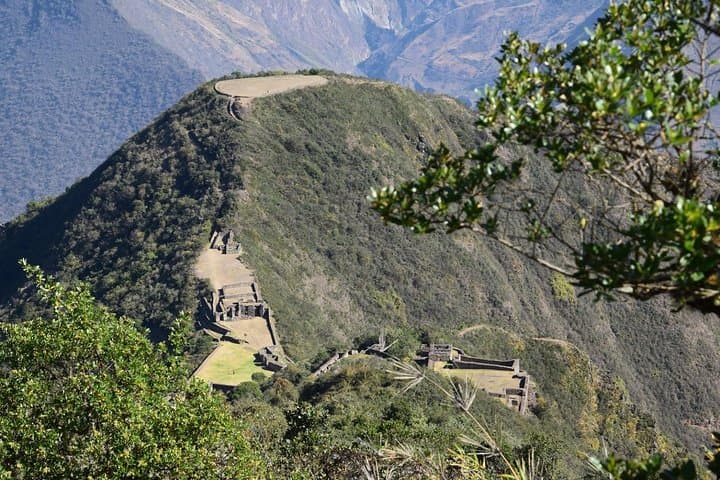
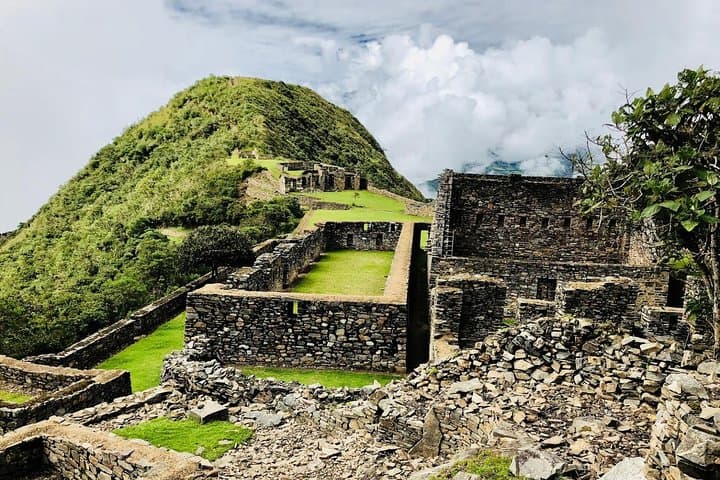
Choquequirao sits on a steep shoulder of the canyon at roughly 3,050 m, a sprawling Inca complex often compared to Machu Picchu for its architecture and scale. Geologically the route threads volcanic and metamorphic formations and dramatic elevation swings—descents to ~1,500 m and ascents above 2,900 m—so expect heat in the valley and thin air on the ridges. Local Quechua communities still farm the slopes and maintain ancestral links to Pachamama; guides bring those stories alive at terraces, plazas, and the white stone llamas carved into platforms.
The itinerary is practical and focused: long hiking days, family-style camp meals, mule support for 8 kg of personal gear, and nights under clear Andean stars. Key planning points: acclimatize in Cusco beforehand, favor dry-season windows (May–September) for firmer trails, and prepare for muddy, slippery sections in the rainy months. Footwear with good grip, layered insulation for cold nights, and daily hydration are non-negotiable. Expect remote campsites, basic toilets, and a rhythm set by walking, eating, and resting.
For independent adventurers this route rewards patience—fewer crowds, expansive canyon views, and an archaeological site that still keeps some of its secrets.
challenging.
4–5 days.
Requires excellent aerobic fitness and experience with long days of uphill and downhill hiking at altitude
Yes, entrance fees to the archaeological site are included by most operators; independent trekkers must purchase tickets at designated checkpoints.
Expect 6–8 hour walking days with steep descents and long ascents; strong legs and previous multi-day trek experience are recommended.
Mules in the trek logistics carry gear and can carry limited personal loads (around 8 kg); riding options for people are generally limited and dependent on local arrangements.
Symptoms can occur; acclimatize in Cusco, hydrate, ascend slowly, and notify guides—operators often carry oxygen and first-aid kits.
Choquequirao is an extensive Inca complex that served as a regional administrative and ceremonial center; much of it remains unexcavated and understudied.
The area is fragile—stick to trails, pack out waste where possible, and operators use biodegradable toilets to reduce impact.
Huaynas Expeditions operates guided outdoor trips and adventures with an emphasis on safety, stewardship, and memorable experiences.
Dawn breaks over the high Andes and the trailhead outside Capuliyoc hums with the soft clop of mules and the hiss of morning breath. Hikers step onto a seldom-used path that drops into the Apurímac canyon, the river below daring you with its roar while terraces and switchbacks pull you deeper into a landscape shaped by glaciers and hands that carved stone centuries ago.
Dawn breaks over the high Andes and the trailhead outside Capuliyoc hums with the soft clop of mules and the hiss of morning breath. Hikers step onto a seldom-used path that drops into the Apurímac canyon, the river below daring you with its roar while terraces and switchbacks pull you deeper into a landscape shaped by glaciers and hands that carved stone centuries ago.
Choquequirao sits on a steep shoulder of the canyon at roughly 3,050 m, a sprawling Inca complex often compared to Machu Picchu for its architecture and scale. Geologically the route threads volcanic and metamorphic formations and dramatic elevation swings—descents to ~1,500 m and ascents above 2,900 m—so expect heat in the valley and thin air on the ridges. Local Quechua communities still farm the slopes and maintain ancestral links to Pachamama; guides bring those stories alive at terraces, plazas, and the white stone llamas carved into platforms.
The itinerary is practical and focused: long hiking days, family-style camp meals, mule support for 8 kg of personal gear, and nights under clear Andean stars. Key planning points: acclimatize in Cusco beforehand, favor dry-season windows (May–September) for firmer trails, and prepare for muddy, slippery sections in the rainy months. Footwear with good grip, layered insulation for cold nights, and daily hydration are non-negotiable. Expect remote campsites, basic toilets, and a rhythm set by walking, eating, and resting.
For independent adventurers this route rewards patience—fewer crowds, expansive canyon views, and an archaeological site that still keeps some of its secrets.