THE ADVENTURE COLLECTIVE® · Independent discovery and booking for outdoor travel

A demanding 5-day trek from Cachora to Choquequirao follows steep switchbacks into the Apurimac canyon and up to a remote Inca citadel. Expect long hiking days, cloud-forest wildlife and camping beneath mountain peaks.
A demanding 5-day trek from Cachora to Choquequirao follows steep switchbacks into the Apurimac canyon and up to a remote Inca citadel. Expect long hiking days, cloud-forest wildlife and camping beneath mountain peaks.
You crest Kapulyoq at first light and the Apurimac canyon drops away like a living map—steep walls, a braided river far below, and cloud forest clinging to terraces carved by hands centuries ago. Mules clip along the trail; the air shifts from dry scrub to humid moss as you lose and regain elevation, each switchback revealing carved stone platforms and the outline of Choquequirao ahead.
Verified experiences and guided adventures in the surrounding area.
Operated by Machu Picchu Peru Cusco · Cusco, Cusco Region
You crest Kapulyoq at first light and the Apurimac canyon drops away like a living map—steep walls, a braided river far below, and cloud forest clinging to terraces carved by hands centuries ago. Mules clip along the trail; the air shifts from dry scrub to humid moss as you lose and regain elevation, each switchback revealing carved stone platforms and the outline of Choquequirao ahead.
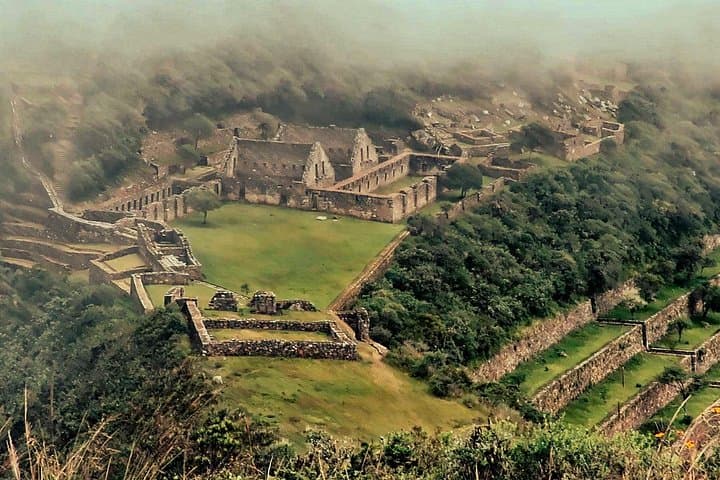
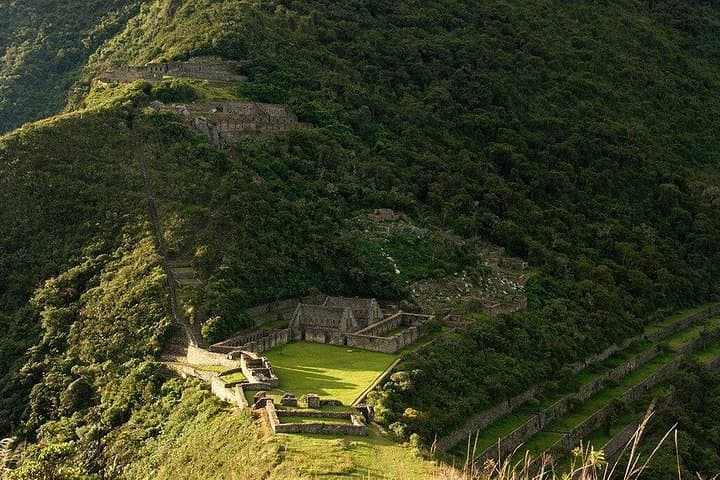
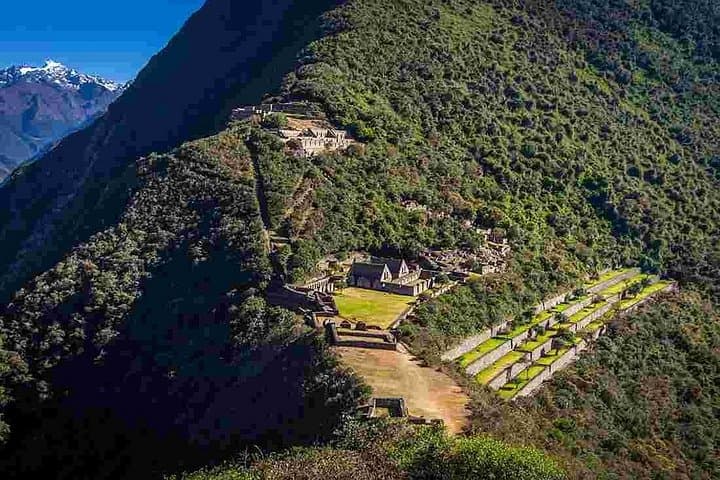
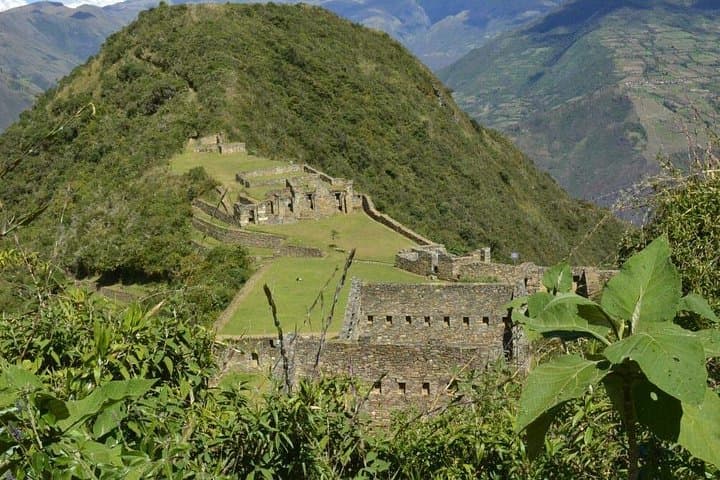
Choquequirao—quechua for “Cradle of Gold”—was a late Inca refuge set above the gorge where the empire’s engineers shaped terraces, stairways and ceremonial plazas. The geology here is dramatic: arid upper slopes dotted with cacti give way to cloud forest and then to snow-fed peaks the Incas revered. Local cultural touches persist in camp life—pachamanca feasts, bilingual guides, and muleteers who know each saddle and river crossing.
Practically, expect five days of sustained hiking: long descents into the Apurimac (to ~1,500 m) and steep ascents back to Choquequirao (~3,000 m), with daily 6–7 hour hiking legs and camping each night. Trails are rocky, dusty and can be slippery when wet; pack light (mules carry up to 8 kg), bring a sturdy boot with ankle support and plan for rapid weather swings. Altitude acclimatization in Cusco for 1–2 days before departure reduces risk of illness.
This trek rewards endurance with expansive canyon views, a less-crowded Inca site still being excavated, and close encounters with cloud-forest birds and hardy Andean flora. Time your visit in the dry season for firmer trails, and come prepared to trade comfort for a raw, high-Andean experience that emphasizes rhythm—walk, look, and ascend.
challenging.
5 days.
Good aerobic fitness and experience with long days of uphill and downhill hiking; comfortable carrying a light daypack.
It is longer and more strenuous in terms of sustained elevation change and remote camping, but less crowded; you should expect full days of steep ascent and descent.
Yes—entrance fees to Choquequirao are required and are typically arranged by the operator as part of the package.
Fit beginners who are well-acclimatized can complete it with a guided group, but the trip is rated challenging and is not recommended for those with cardiovascular issues or pregnancy.
Typical inclusions are transport from Cusco to Cachora, guides, cook and mule support, camping equipment and meals as listed; personal gear and tips are extra.
Choquequirao served as a strategic Inca administrative and ceremonial center and one of the last strongholds during Spanish conquest; excavation and restoration continue today.
The site sits within fragile cloud-forest ecosystems—stick to trails, pack out waste, and support local guides who practice low-impact camping.
Machu Picchu Peru Cusco operates guided outdoor trips and adventures with an emphasis on safety, stewardship, and memorable experiences.
You crest Kapulyoq at first light and the Apurimac canyon drops away like a living map—steep walls, a braided river far below, and cloud forest clinging to terraces carved by hands centuries ago. Mules clip along the trail; the air shifts from dry scrub to humid moss as you lose and regain elevation, each switchback revealing carved stone platforms and the outline of Choquequirao ahead.
You crest Kapulyoq at first light and the Apurimac canyon drops away like a living map—steep walls, a braided river far below, and cloud forest clinging to terraces carved by hands centuries ago. Mules clip along the trail; the air shifts from dry scrub to humid moss as you lose and regain elevation, each switchback revealing carved stone platforms and the outline of Choquequirao ahead.
Choquequirao—quechua for “Cradle of Gold”—was a late Inca refuge set above the gorge where the empire’s engineers shaped terraces, stairways and ceremonial plazas. The geology here is dramatic: arid upper slopes dotted with cacti give way to cloud forest and then to snow-fed peaks the Incas revered. Local cultural touches persist in camp life—pachamanca feasts, bilingual guides, and muleteers who know each saddle and river crossing.
Practically, expect five days of sustained hiking: long descents into the Apurimac (to ~1,500 m) and steep ascents back to Choquequirao (~3,000 m), with daily 6–7 hour hiking legs and camping each night. Trails are rocky, dusty and can be slippery when wet; pack light (mules carry up to 8 kg), bring a sturdy boot with ankle support and plan for rapid weather swings. Altitude acclimatization in Cusco for 1–2 days before departure reduces risk of illness.
This trek rewards endurance with expansive canyon views, a less-crowded Inca site still being excavated, and close encounters with cloud-forest birds and hardy Andean flora. Time your visit in the dry season for firmer trails, and come prepared to trade comfort for a raw, high-Andean experience that emphasizes rhythm—walk, look, and ascend.