THE ADVENTURE COLLECTIVE® · Independent discovery and booking for outdoor travel

A five-day, four-night trek into the Apurímac canyon leads to Choquequirao—an expansive Inca citadel that rivals Machu Picchu for scale and solitude. This guide outlines what to expect on the route, altitude notes, and practical tips to prepare.
A five-day, four-night trek into the Apurímac canyon leads to Choquequirao—an expansive Inca citadel that rivals Machu Picchu for scale and solitude. This guide outlines what to expect on the route, altitude notes, and practical tips to prepare.
You push off from the thin-air streets of Cusco before dawn, tires crunch on the road to Cachora and the valley yawns beneath you. The trail drops quickly into the Apurímac gorge, the river daring you across a single pedestrian bridge, then pulls you up through cloud forest terraces until the stonework of Choquequirao appears on a distant ridge.
Verified experiences and guided adventures in the surrounding area.
Operated by VIPAC Travel · Cachora / Choquequirao area, Cusco
You push off from the thin-air streets of Cusco before dawn, tires crunch on the road to Cachora and the valley yawns beneath you. The trail drops quickly into the Apurímac gorge, the river daring you across a single pedestrian bridge, then pulls you up through cloud forest terraces until the stonework of Choquequirao appears on a distant ridge.
Choquequirao — literally “Cradle of Gold” — is a high-altitude Inca complex built in the 15th century and often called a sister city to Machu Picchu. Geologically the route threads volcanic ridges and steep canyon walls carved by the Apurímac River; culturally, you hike through communities that still work traditional terraces and celebrate Quechua heritage. Saywite rock, terraced plazas and dramatic viewing platforms give context to both imperial engineering and local farming practices.
Practically: the standard circuit is five days and four nights of camping, with daily marches of 2.5–8 km but heavy elevation changes (river camps near 2,235–2,450 m; high points up to ~3,400 m). Expect steep ascents and descents, narrow trails, and river crossings; mornings are cool, afternoons can be hot and rainy in the wet season. Acclimatize 1–2 days in Cusco, carry layered clothing, at least 2–3 liters of water per day, and consider a porter or mule for heavier loads. The best window is the dry season (May–September) for firmer trails and clearer canyon views. Respect archaeological zones, pack out waste, and allow time at the main terraces to absorb the scale of the site—Choquequirao rewards patience more than speed.
challenging.
5 days (approximately 30–40 hours hiking).
Good cardiovascular fitness and experience with sustained uphill/downhill hiking at altitude; able to carry a 10–15 kg daypack or hire a porter.
Entrance to the Choquequirao site requires a ticket; reputable operators include the site entry in the itinerary—confirm with your provider and carry ID.
Choquequirao is shorter in distance but often steeper with larger elevation changes and tougher camping logistics—overall it’s more remote and can feel more demanding.
Independent trekking is possible but not recommended due to remote conditions, complex campsites, and cultural navigation—local guides add safety and context.
This trip uses basic campsites; tents and group camp sanitation are provided by operators, but expect rustic conditions and bring personal hygiene supplies.
Choquequirao was developed in the late 15th century as an administrative and religious center; it likely served strategic and agricultural roles complementary to other highland Inca sites.
The site is fragile and remote; visitors are encouraged to follow leave-no-trace principles, support local guides and porters, and adhere to official trail and camping regulations to limit erosion and impact.
VIPAC Travel operates guided outdoor trips and adventures with an emphasis on safety, stewardship, and memorable experiences.
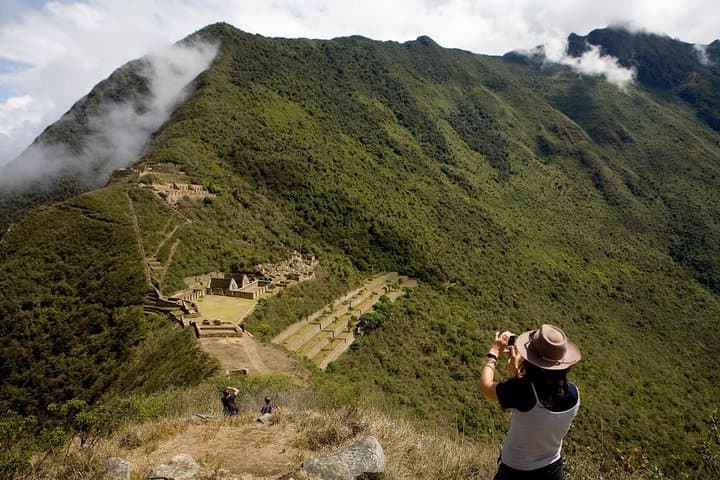


You push off from the thin-air streets of Cusco before dawn, tires crunch on the road to Cachora and the valley yawns beneath you. The trail drops quickly into the Apurímac gorge, the river daring you across a single pedestrian bridge, then pulls you up through cloud forest terraces until the stonework of Choquequirao appears on a distant ridge.
You push off from the thin-air streets of Cusco before dawn, tires crunch on the road to Cachora and the valley yawns beneath you. The trail drops quickly into the Apurímac gorge, the river daring you across a single pedestrian bridge, then pulls you up through cloud forest terraces until the stonework of Choquequirao appears on a distant ridge.
Choquequirao — literally “Cradle of Gold” — is a high-altitude Inca complex built in the 15th century and often called a sister city to Machu Picchu. Geologically the route threads volcanic ridges and steep canyon walls carved by the Apurímac River; culturally, you hike through communities that still work traditional terraces and celebrate Quechua heritage. Saywite rock, terraced plazas and dramatic viewing platforms give context to both imperial engineering and local farming practices.
Practically: the standard circuit is five days and four nights of camping, with daily marches of 2.5–8 km but heavy elevation changes (river camps near 2,235–2,450 m; high points up to ~3,400 m). Expect steep ascents and descents, narrow trails, and river crossings; mornings are cool, afternoons can be hot and rainy in the wet season. Acclimatize 1–2 days in Cusco, carry layered clothing, at least 2–3 liters of water per day, and consider a porter or mule for heavier loads. The best window is the dry season (May–September) for firmer trails and clearer canyon views. Respect archaeological zones, pack out waste, and allow time at the main terraces to absorb the scale of the site—Choquequirao rewards patience more than speed.