THE ADVENTURE COLLECTIVE® · Independent discovery and booking for outdoor travel

A demanding four-day trek into the Apurímac Canyon that culminates at the remote Inca citadel of Choquequirao. Expect long ascents, cloud-forest crossings and simple rural lodging—rewarded by dramatic ruins and expansive canyon views.
A demanding four-day trek into the Apurímac Canyon that culminates at the remote Inca citadel of Choquequirao. Expect long ascents, cloud-forest crossings and simple rural lodging—rewarded by dramatic ruins and expansive canyon views.
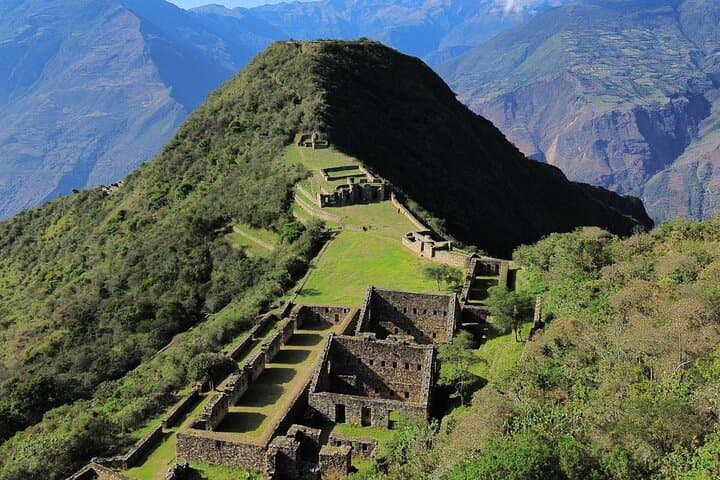
Dawn breaks over the Apurímac Canyon and the trail pulls you into a raw Andean amphitheater: dust rises, condors wheel, and the distant terraces of Choquequirao appear like a stone city holding its breath. Over four days the route threads across sharp ridgelines, down into river-cut gorges and back up through cloud forest, ending at terraces and plazas carved by the Incas.
Verified experiences and guided adventures in the surrounding area.
Operated by ATV CUSCO ADVENTURES ON WHEELS · Cusco, Cusco
Dawn breaks over the Apurímac Canyon and the trail pulls you into a raw Andean amphitheater: dust rises, condors wheel, and the distant terraces of Choquequirao appear like a stone city holding its breath. Over four days the route threads across sharp ridgelines, down into river-cut gorges and back up through cloud forest, ending at terraces and plazas carved by the Incas.
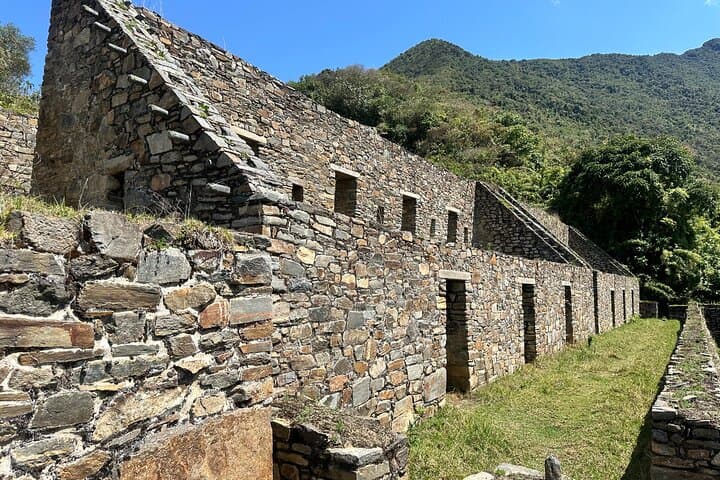
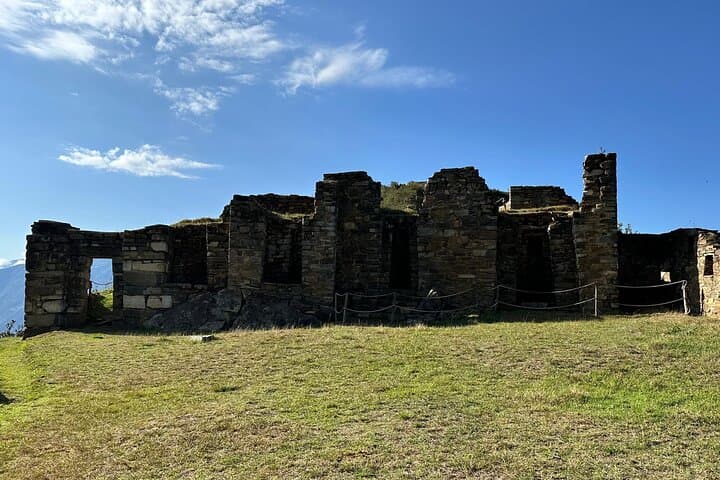
Choquequirao—often called Machu Picchu’s sister—was a strategic, highland administrative center built in the late 15th century. The stonework and wide plazas reflect imperial planning; surrounding geology is volcanic and heavily dissected by the Apurímac River, producing steep ascents and dramatic viewpoints. Local Quechua communities still practice traditional agriculture in the high meadows and small hamlets you pass.
Expect long days of steady climbing and descending: rocky singletrack, exposed ridgelines, steps hewn into the slope, and humid cloud forest undergrowth. Nights are in rural hostels and simple cabins at 2,900–3,100 m with cold water and shared facilities. Guides provide meals and logistical support, but physical fitness and altitude acclimatization are essential.
Practical corner: start in Cusco well-acclimatized, carry layered clothing for rapid weather swings, hydrate and treat water from streams, and use trekking poles for steep descents. Travel early in the dry season (May–Sept) for firmer trails; rainy months bring slippery slopes and leeches. The trail rewards effort with sweeping canyon views, archaeological variety and a quieter, more solitary encounter with Inca landscape than its busier cousin to the north.
challenging.
4 days.
Requires high aerobic fitness and experience with sustained uphill/downhill hiking at altitude
Choquequirao’s terraces sit around 3,000–3,100 m; some passes and camps vary between 1,350 m in the canyon floor up to roughly 3,100 m, so altitude can be felt.
Yes — the itinerary involves steep ascents and long days; prior multi-day trekking experience and good fitness are strongly recommended.
Nights are in rural hostels and simple cabins with shared bathrooms and cold showers; bring a warm sleeping bag for high-altitude nights.
The dry season (May–September) usually offers firmer trails and clearer views; the rainy season (Dec–Mar) brings slippery conditions and potential trail closures.
Choquequirao was a highland Inca administrative and ceremonial center built in the 15th century; some sectors remain unexcavated, offering a sense of archaeological discovery.
Trail erosion and unmanaged camping are primary concerns; stick to established paths, pack out waste and support local guides who prioritize sustainable practices.
ATV CUSCO ADVENTURES ON WHEELS operates guided outdoor trips and adventures with an emphasis on safety, stewardship, and memorable experiences.
Dawn breaks over the Apurímac Canyon and the trail pulls you into a raw Andean amphitheater: dust rises, condors wheel, and the distant terraces of Choquequirao appear like a stone city holding its breath. Over four days the route threads across sharp ridgelines, down into river-cut gorges and back up through cloud forest, ending at terraces and plazas carved by the Incas.
Dawn breaks over the Apurímac Canyon and the trail pulls you into a raw Andean amphitheater: dust rises, condors wheel, and the distant terraces of Choquequirao appear like a stone city holding its breath. Over four days the route threads across sharp ridgelines, down into river-cut gorges and back up through cloud forest, ending at terraces and plazas carved by the Incas.
Choquequirao—often called Machu Picchu’s sister—was a strategic, highland administrative center built in the late 15th century. The stonework and wide plazas reflect imperial planning; surrounding geology is volcanic and heavily dissected by the Apurímac River, producing steep ascents and dramatic viewpoints. Local Quechua communities still practice traditional agriculture in the high meadows and small hamlets you pass.
Expect long days of steady climbing and descending: rocky singletrack, exposed ridgelines, steps hewn into the slope, and humid cloud forest undergrowth. Nights are in rural hostels and simple cabins at 2,900–3,100 m with cold water and shared facilities. Guides provide meals and logistical support, but physical fitness and altitude acclimatization are essential.
Practical corner: start in Cusco well-acclimatized, carry layered clothing for rapid weather swings, hydrate and treat water from streams, and use trekking poles for steep descents. Travel early in the dry season (May–Sept) for firmer trails; rainy months bring slippery slopes and leeches. The trail rewards effort with sweeping canyon views, archaeological variety and a quieter, more solitary encounter with Inca landscape than its busier cousin to the north.