THE ADVENTURE COLLECTIVE® · Independent discovery and booking for outdoor travel

A demanding 4-day trek from Cusco to Choquequirao that follows deep canyons, cloud forests, and remote Inca terraces. Expect steep ascents/descents, camping support, and a low-crowd visit to one of Peru’s most dramatic archaeological sites.
A demanding 4-day trek from Cusco to Choquequirao that follows deep canyons, cloud forests, and remote Inca terraces. Expect steep ascents/descents, camping support, and a low-crowd visit to one of Peru’s most dramatic archaeological sites.
You step off the van in Cachora before dawn and the Andes breathe a slow, cold wind that pushes you toward the trailhead. The path drops first, then climbs—switchbacks carving the slope like a careful hand—pulling you into deep canyon light and cloud-forest mist. On day three the terraces of Choquequirao appear over a rim, broad and bold against the Apurímac, the ruins catching the sun as if the stones remembered a ceremony.
Verified experiences and guided adventures in the surrounding area.
Operated by Aremika Travel · Cachora, Cusco Region
You step off the van in Cachora before dawn and the Andes breathe a slow, cold wind that pushes you toward the trailhead. The path drops first, then climbs—switchbacks carving the slope like a careful hand—pulling you into deep canyon light and cloud-forest mist. On day three the terraces of Choquequirao appear over a rim, broad and bold against the Apurímac, the ruins catching the sun as if the stones remembered a ceremony.
Choquequirao rivaled Machu Picchu in scale and significance during the Late Horizon of the Inca Empire. Built on steep, glaciated slopes and irrigated terraces, the site sits where Andean tectonics have folded river valleys into dramatic relief; the Apurímac River has carved the surrounding canyon for millennia. Local Quechua communities still farm the high valleys, and porters and horsemen maintain traditional trail economies that sustain multi-day treks.
Practical guidance is straightforward: expect long uphill and downhill days with significant altitude swings—start at ~3,100 m, drop to ~1,550 m and rise to ~2,850 m. Trails range from narrow dirt paths to stone-paved Inca stretches; good boots and layered clothing are non-negotiable. Hydrate at every stop, pace your breathing on ascents, and plan for early starts to avoid afternoon weather. Camping is on established sites with guides and cooks handling logistics; you carry a daypack. The reward is time with the ruins, fewer crowds, and the raw geography of the high Andes pressing in from all sides.
challenging.
4 days.
Requires good aerobic fitness and experience with multi-day backpacking or sustained uphill/downhill hiking at altitude
Choquequirao is more remote and generally more physically demanding due to longer ascents/descents and less-traveled, rougher trails; it’s similar in difficulty but with fewer built-in services.
Yes—this trip provides horses to carry tents, food, and cooking equipment along with local porters and horsemen as described in the itinerary.
Access is controlled but permits are typically managed by operators; your tour should include necessary site admission during the trek’s visit day.
Trail altitudes range roughly 1,550–3,100+ meters; acclimatize in Cusco, ascend slowly, hydrate, and communicate any severe symptoms to your guide immediately.
Choquequirao was an important Inca administrative and ceremonial center built along strategic river terraces; its isolation has preserved many structures and farming systems.
Trekking impacts are minimized by using established campsites and local porters; visitors should follow Leave No Trace principles and avoid scorching vegetation or disturbing archaeological features.
Aremika Travel operates guided outdoor trips and adventures with an emphasis on safety, stewardship, and memorable experiences.
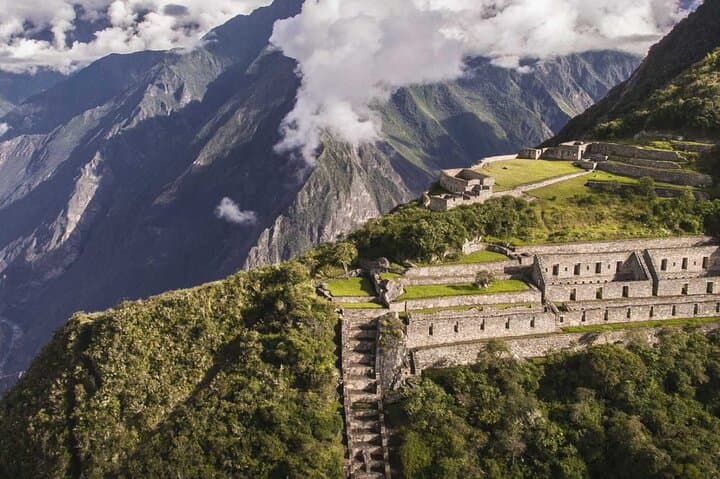
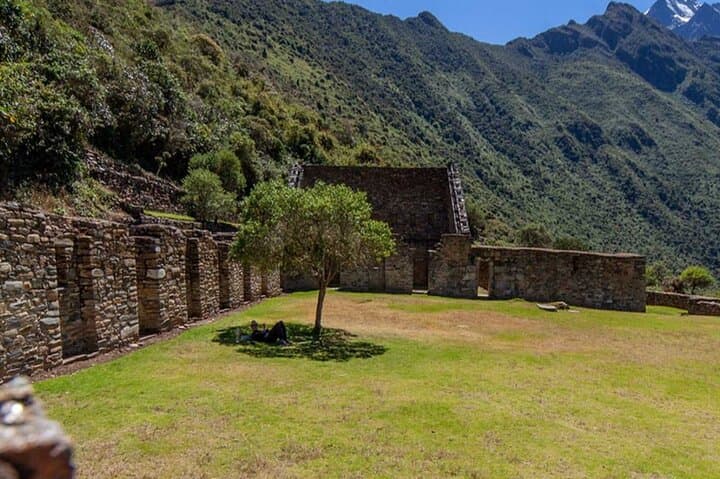
You step off the van in Cachora before dawn and the Andes breathe a slow, cold wind that pushes you toward the trailhead. The path drops first, then climbs—switchbacks carving the slope like a careful hand—pulling you into deep canyon light and cloud-forest mist. On day three the terraces of Choquequirao appear over a rim, broad and bold against the Apurímac, the ruins catching the sun as if the stones remembered a ceremony.
You step off the van in Cachora before dawn and the Andes breathe a slow, cold wind that pushes you toward the trailhead. The path drops first, then climbs—switchbacks carving the slope like a careful hand—pulling you into deep canyon light and cloud-forest mist. On day three the terraces of Choquequirao appear over a rim, broad and bold against the Apurímac, the ruins catching the sun as if the stones remembered a ceremony.
Choquequirao rivaled Machu Picchu in scale and significance during the Late Horizon of the Inca Empire. Built on steep, glaciated slopes and irrigated terraces, the site sits where Andean tectonics have folded river valleys into dramatic relief; the Apurímac River has carved the surrounding canyon for millennia. Local Quechua communities still farm the high valleys, and porters and horsemen maintain traditional trail economies that sustain multi-day treks.
Practical guidance is straightforward: expect long uphill and downhill days with significant altitude swings—start at ~3,100 m, drop to ~1,550 m and rise to ~2,850 m. Trails range from narrow dirt paths to stone-paved Inca stretches; good boots and layered clothing are non-negotiable. Hydrate at every stop, pace your breathing on ascents, and plan for early starts to avoid afternoon weather. Camping is on established sites with guides and cooks handling logistics; you carry a daypack. The reward is time with the ruins, fewer crowds, and the raw geography of the high Andes pressing in from all sides.