THE ADVENTURE COLLECTIVE® · Independent discovery and booking for outdoor travel

Descend into the Apurímac gorge and climb to the remote Inca citadel of Choquequirao on a four-day private trek from Cusco. Expect steep trails, high passes, horse-supported camping, and fewer tourists than Machu Picchu.
Descend into the Apurímac gorge and climb to the remote Inca citadel of Choquequirao on a four-day private trek from Cusco. Expect steep trails, high passes, horse-supported camping, and fewer tourists than Machu Picchu.
A cold dawn on the Capuliyoc pass opens the valley like a page turned: condors wheel above, cliffs drop into the Apurímac gorge, and the trail narrows into carved switchbacks. This four-day private trek from Cusco threads altitudinal zones—from high puna grasslands around Cachora (≈3,100 m) down into warmer river terraces and up again toward the Choquequirao citadel.
Verified experiences and guided adventures in the surrounding area.
Operated by Aremika Expeditions · Cusco, Cusco Region
A cold dawn on the Capuliyoc pass opens the valley like a page turned: condors wheel above, cliffs drop into the Apurímac gorge, and the trail narrows into carved switchbacks. This four-day private trek from Cusco threads altitudinal zones—from high puna grasslands around Cachora (≈3,100 m) down into warmer river terraces and up again toward the Choquequirao citadel.
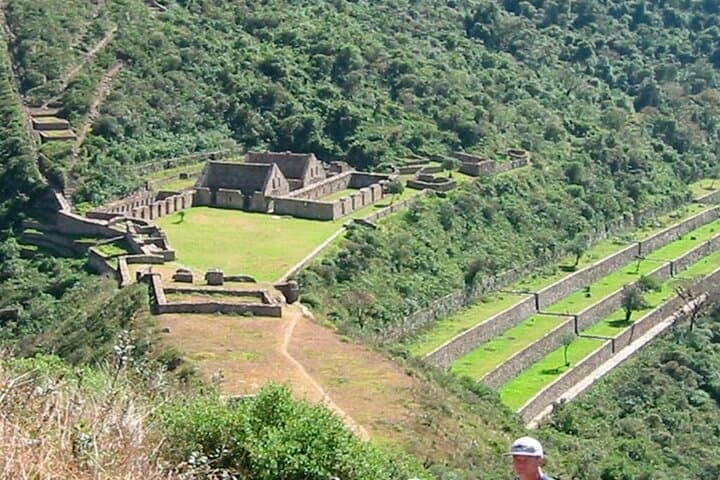
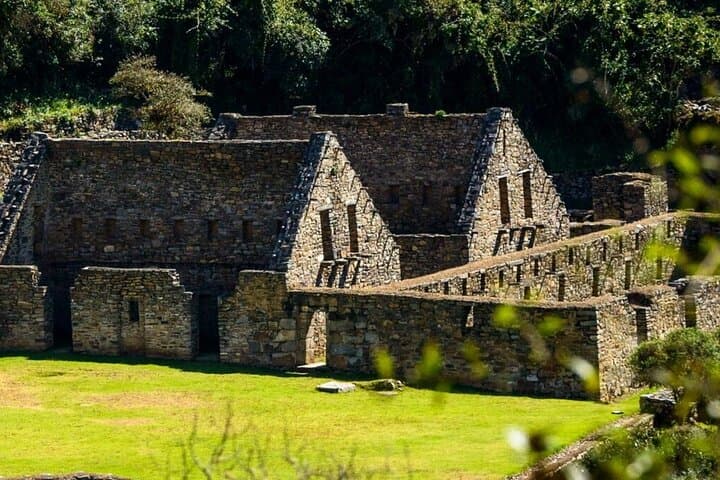
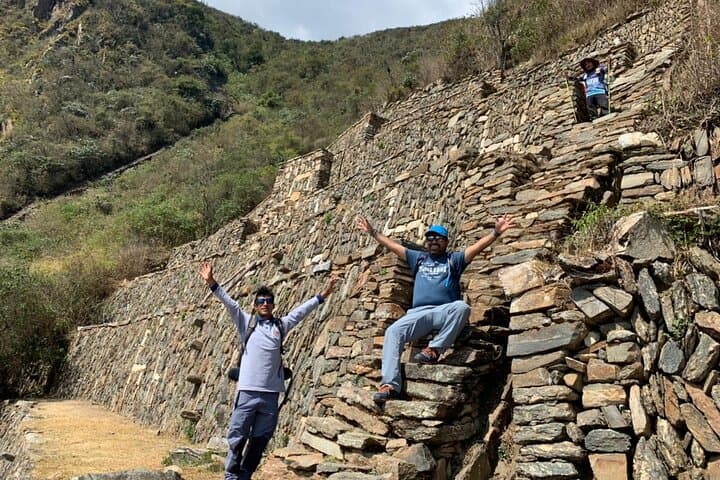
Choquequirao, often called the 'other Inca city,' sits on a spur of the Vilcabamba range and shares construction techniques and trapezoidal architecture with Machu Picchu. Geologically, the route descends into the Apurímac canyon—one of the deepest in Peru—cut into volcanic and sedimentary layers that create abrupt cliffs and fertile valley benches. Local Quechua communities still cultivate terraces and maintain pastoral traditions; guides commonly point out ancient irrigation channels and restored agricultural sectors in the site.
Expect long days on dirt tracks and stone steps, significant elevation changes (descents to ~1,550 m and climbs back over 2,800–3,100 m), and basic camping each night. The guide-led itinerary includes horse support for gear, campsite meals, and a morning visit to the citadel timed for sunrise. Practical notes: hydrate before challenging descents, pace on loose gravel, and allow time for altitude adjustment in Cusco before departure. Bring layered clothing for cold mornings and sun-exposed afternoons, sturdy boots with good grip, and a lightweight sleeping system; your pack will be lighter thanks to the horse support. This trek rewards travelers with dramatic canyon views, fewer crowds than Machu Picchu, and a tangible link to Inca landscape engineering.
challenging.
4 days.
Requires good cardiovascular fitness and familiarity with sustained uphill/downhill hiking; able to handle daily 5–8 hour trekking days.
It’s generally more strenuous because of larger cumulative ascents/descents and longer, steeper daily elevation changes, but it has fewer people and more rugged, varied terrain.
Yes—horses carry tents, cooking gear, and most group equipment; hikers should carry a light daypack with personal items and water.
Yes—entrance to the Choquequirao archaeological site is regulated; permits or park fees are included by most operators, confirm at booking.
Dry season months (May–September) offer more stable weather and clearer trails, though shoulder seasons can be quieter with occasional rain.
Choquequirao functioned as a strategic, religious, and agricultural site during the late Inca period and likely served as a refuge or administrative center after the Spanish advance.
Visitor numbers are managed to protect fragile terraces and archaeological structures; stick to established paths and avoid stepping on restored stonework to minimize erosion.
Aremika Expeditions operates guided outdoor trips and adventures with an emphasis on safety, stewardship, and memorable experiences.
A cold dawn on the Capuliyoc pass opens the valley like a page turned: condors wheel above, cliffs drop into the Apurímac gorge, and the trail narrows into carved switchbacks. This four-day private trek from Cusco threads altitudinal zones—from high puna grasslands around Cachora (≈3,100 m) down into warmer river terraces and up again toward the Choquequirao citadel.
A cold dawn on the Capuliyoc pass opens the valley like a page turned: condors wheel above, cliffs drop into the Apurímac gorge, and the trail narrows into carved switchbacks. This four-day private trek from Cusco threads altitudinal zones—from high puna grasslands around Cachora (≈3,100 m) down into warmer river terraces and up again toward the Choquequirao citadel.
Choquequirao, often called the 'other Inca city,' sits on a spur of the Vilcabamba range and shares construction techniques and trapezoidal architecture with Machu Picchu. Geologically, the route descends into the Apurímac canyon—one of the deepest in Peru—cut into volcanic and sedimentary layers that create abrupt cliffs and fertile valley benches. Local Quechua communities still cultivate terraces and maintain pastoral traditions; guides commonly point out ancient irrigation channels and restored agricultural sectors in the site.
Expect long days on dirt tracks and stone steps, significant elevation changes (descents to ~1,550 m and climbs back over 2,800–3,100 m), and basic camping each night. The guide-led itinerary includes horse support for gear, campsite meals, and a morning visit to the citadel timed for sunrise. Practical notes: hydrate before challenging descents, pace on loose gravel, and allow time for altitude adjustment in Cusco before departure. Bring layered clothing for cold mornings and sun-exposed afternoons, sturdy boots with good grip, and a lightweight sleeping system; your pack will be lighter thanks to the horse support. This trek rewards travelers with dramatic canyon views, fewer crowds than Machu Picchu, and a tangible link to Inca landscape engineering.