THE ADVENTURE COLLECTIVE® · Independent discovery and booking for outdoor travel

Four days of steep descents and climbs lead to Choquequirao’s remote terraces and stone plazas—an Inca complex that rewards effort with canyon views, cloud-forest birdlife, and authentic highland culture. This guide outlines what to expect and how to prepare.
Four days of steep descents and climbs lead to Choquequirao’s remote terraces and stone plazas—an Inca complex that rewards effort with canyon views, cloud-forest birdlife, and authentic highland culture. This guide outlines what to expect and how to prepare.
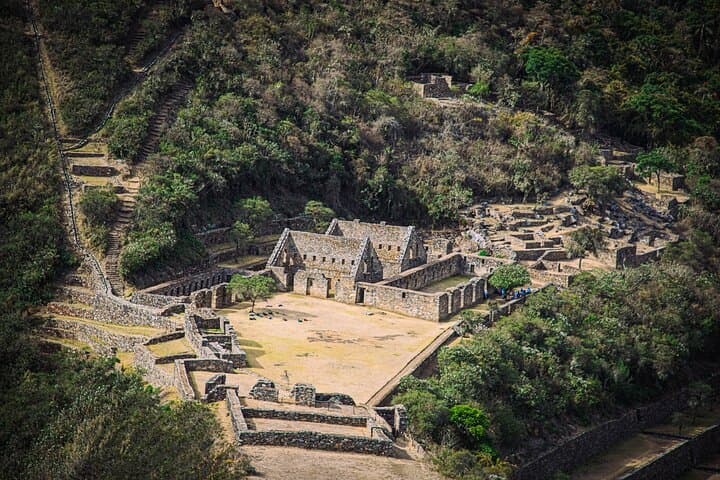
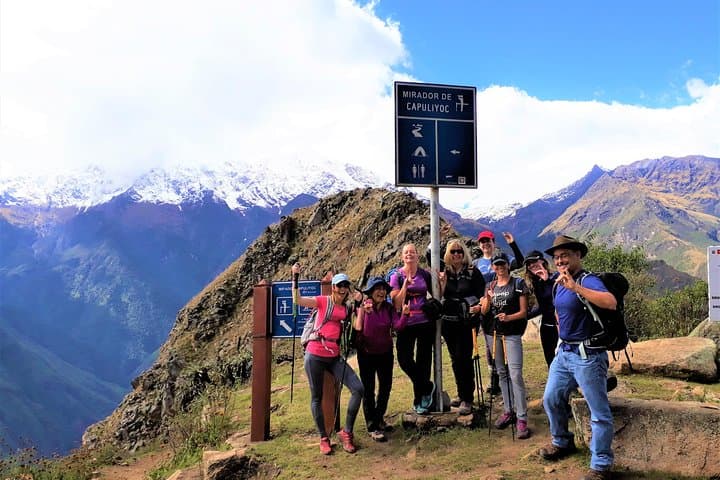
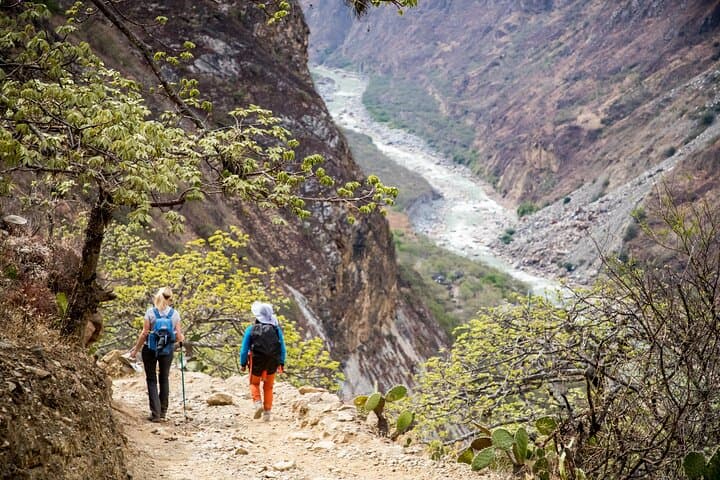
You descend into cloud forest as the day unwraps—a high pass behind you, spray of mist on the trail, and below the rim of the canyon the ruins of Choquequirao sit like a city carved from the slope. The first morning’s downhill opens long views of the Apurímac River daring you toward the valley; each step trades puna grass for dense montane forest until terraces and stonework appear through the trees.
Verified experiences and guided adventures in the surrounding area.
Operated by TreXperience · Cusco, Cusco
You descend into cloud forest as the day unwraps—a high pass behind you, spray of mist on the trail, and below the rim of the canyon the ruins of Choquequirao sit like a city carved from the slope. The first morning’s downhill opens long views of the Apurímac River daring you toward the valley; each step trades puna grass for dense montane forest until terraces and stonework appear through the trees.
Choquequirao, often called the “twin” of Machu Picchu, was a late-Inca administrative and ceremonial complex overlooking one of Peru’s deepest canyons. Geologically the route drops through volcanic-andesitic slopes into humid cloud forest, so flora and birdlife shift quickly with elevation. Locally, communities maintain traditional agriculture—terraces, Quechua language and cooking such as pachamanca barbecue are woven into the trek’s rhythm.
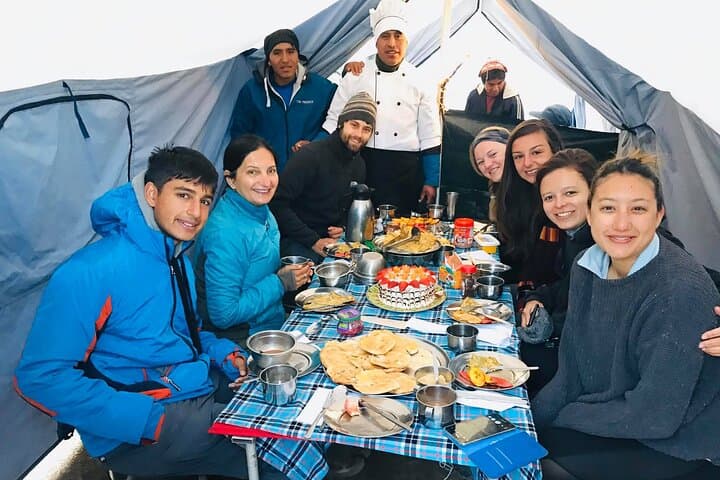
Practically: this is a multi-day, camp-based trek with long descents and steep ascents—expect full days of hiking (5–8 hours) and sustained altitude change between ~2,850–3,100 m on the highs and 1,450–1,900 m in camps. Guides, a chef, and a personal porter for 7 kg are typically included; pack smart and minimal.
Timing matters—mornings are cooler and clearer; afternoons bring convective clouds. Footwear with solid ankle support, laminated maps or a guidebook, and layered rain gear will keep you moving. Altitude acclimatization in Cusco for 1–2 days beforehand reduces risk. End your trek with a visit to the rock carvings at Saywite, then a late-afternoon return to Cusco—mud on your boots, a head full of canyon light.
moderate.
4 days.
Good aerobic fitness; accustomed to full days hiking and altitude changes
Entrance fees to the Choquequirao archaeological park are required and are usually covered by organized trek operators; confirm with your provider.
Daily stages range 6–8 hours with long descents and steep climbs—rated moderate but physically demanding due to distance and altitude change.
Yes—starting elevations near Cusco are high; acclimatize before departure and watch for symptoms of altitude sickness.
Most operators provide transport and allow leaving non-essential luggage at your Cusco hotel; confirm pickup and baggage limits beforehand.
Choquequirao was a late-Inca ceremonial and administrative center with extensive terraces and plazas; it served as a strategic outpost above the Apurímac.
Visitor numbers are deliberately lower than at Machu Picchu; follow Leave No Trace principles, pack out waste, and respect local camp rules to protect fragile cloud-forest ecosystems.
TreXperience operates guided outdoor trips and adventures with an emphasis on safety, stewardship, and memorable experiences.
You descend into cloud forest as the day unwraps—a high pass behind you, spray of mist on the trail, and below the rim of the canyon the ruins of Choquequirao sit like a city carved from the slope. The first morning’s downhill opens long views of the Apurímac River daring you toward the valley; each step trades puna grass for dense montane forest until terraces and stonework appear through the trees.
You descend into cloud forest as the day unwraps—a high pass behind you, spray of mist on the trail, and below the rim of the canyon the ruins of Choquequirao sit like a city carved from the slope. The first morning’s downhill opens long views of the Apurímac River daring you toward the valley; each step trades puna grass for dense montane forest until terraces and stonework appear through the trees.
Choquequirao, often called the “twin” of Machu Picchu, was a late-Inca administrative and ceremonial complex overlooking one of Peru’s deepest canyons. Geologically the route drops through volcanic-andesitic slopes into humid cloud forest, so flora and birdlife shift quickly with elevation. Locally, communities maintain traditional agriculture—terraces, Quechua language and cooking such as pachamanca barbecue are woven into the trek’s rhythm.
Practically: this is a multi-day, camp-based trek with long descents and steep ascents—expect full days of hiking (5–8 hours) and sustained altitude change between ~2,850–3,100 m on the highs and 1,450–1,900 m in camps. Guides, a chef, and a personal porter for 7 kg are typically included; pack smart and minimal.
Timing matters—mornings are cooler and clearer; afternoons bring convective clouds. Footwear with solid ankle support, laminated maps or a guidebook, and layered rain gear will keep you moving. Altitude acclimatization in Cusco for 1–2 days beforehand reduces risk. End your trek with a visit to the rock carvings at Saywite, then a late-afternoon return to Cusco—mud on your boots, a head full of canyon light.