THE ADVENTURE COLLECTIVE® · Independent discovery and booking for outdoor travel

A remote 4-day trek following original Inca trails to the Choquequirao archaeological complex above the Apurímac canyon. Expect steep climbs, tent camping, and sweeping high-Andean views with far fewer visitors than Machu Picchu.
A remote 4-day trek following original Inca trails to the Choquequirao archaeological complex above the Apurímac canyon. Expect steep climbs, tent camping, and sweeping high-Andean views with far fewer visitors than Machu Picchu.
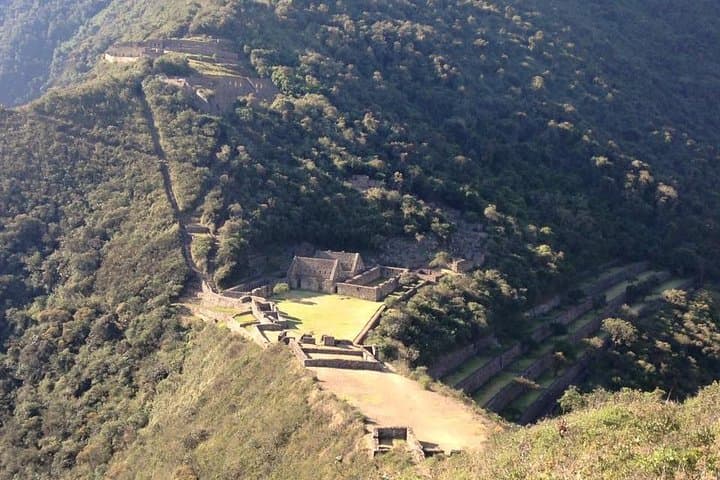
You drop from the chill of the high Andes into a copper canyon where a thin, ancient trail threads stone staircases and terraces carved by hands five centuries ago.
Verified experiences and guided adventures in the surrounding area.
Operated by Terres des Incas · Cachora, Cusco Region
You drop from the chill of the high Andes into a copper canyon where a thin, ancient trail threads stone staircases and terraces carved by hands five centuries ago.
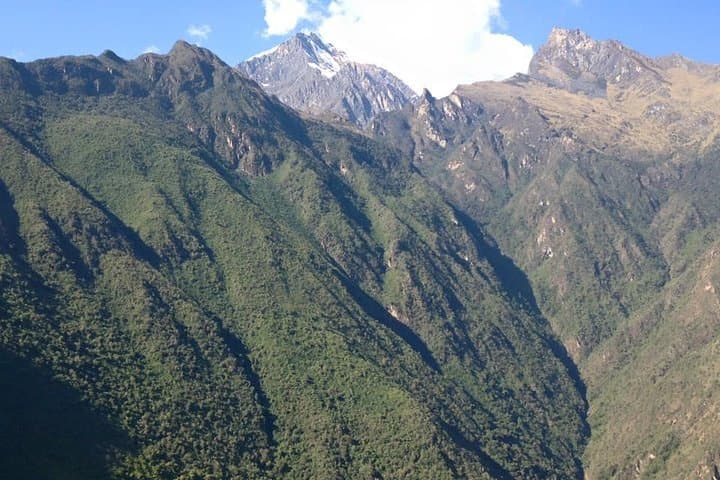
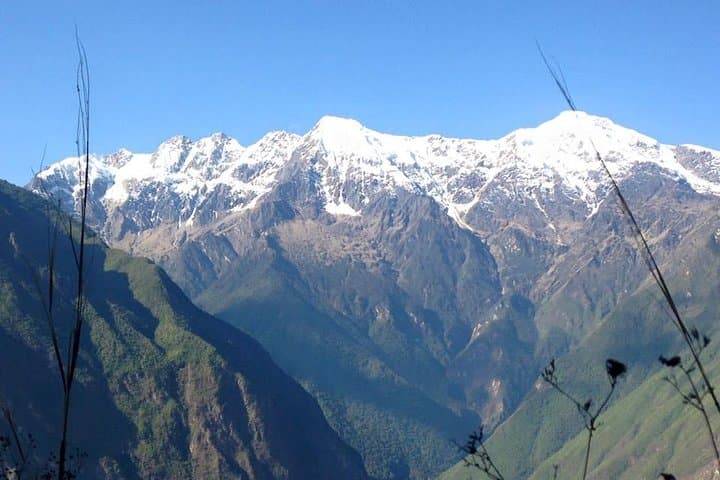
The Choquequirao trek opens with early drives from Cusco to Cachora, then follows original Inca footpaths toward Playa Rosalinas and the village of Marampata. The archaeological complex of Choquequirao (≈3,103 m) sits above the Apurímac canyon, with the glacier-scarred flank of Salkantay (6,271 m) watching from a distance. Geologically the route cuts from puna grasslands to humid cloud forest; you'll see abrupt shifts in flora as humidity rises and the trail clings to steep slopes.
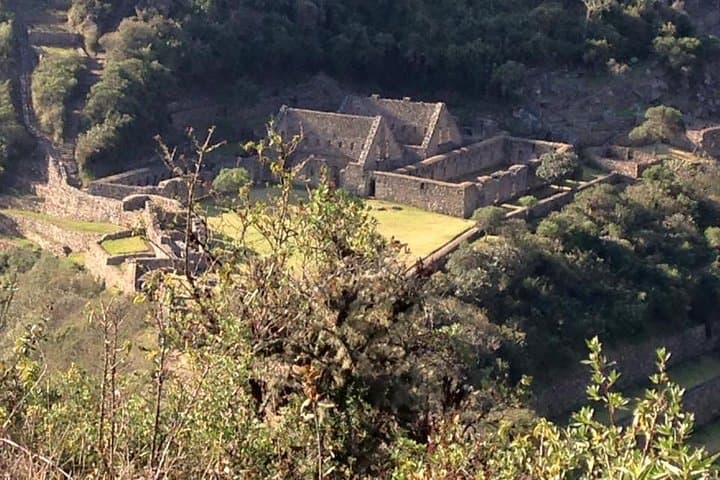
Choquequirao—literally “golden cradle”—was a ceremonial center and administrative outpost of the late Inca era, built with the same masonry logic as Machu Picchu but reached by far fewer visitors. Local Quechua communities still work the terraces and guide treks; culturally the walk is as much about living Andean landscapes as ruins.
Practicalities matter: expect four days and roughly 60 km with multiple 6–7 hour walking days, steep descents into the Apurímac gorge, and nights in tents. Hike early to avoid afternoon rain, budget for altitude acclimatization in Cusco, and rely on a guide and mule service for gear if you prefer. Hydrate, layer for rapid temperature swings, and bring rain protection—the canyon can switch between sun and downpour in a single afternoon.
Arrive prepared and you’ll trade crowds for wide Andean sky, startling biodiversity, and an archaeological site that still feels like discovery.
challenging.
4 days (6–8 hours walking per day).
Good aerobic fitness with experience on sustained uphill/downhill hiking; comfortable on uneven terrain
Choquequirao does not require the same strict permits as Machu Picchu, but entry fees and site registration are handled locally; licensed guides typically manage admissions and logistics.
The dry season (May–September) offers the most stable weather and clearer views; shoulder months (April, October) can work but expect more rain.
Challenging: daily 6–8 hour hikes with steep ascents/descents and altitude changes—adequate fitness and prior multi-day hiking experience recommended.
Most operators provide tents and camping gear; confirm inclusions and whether you need to bring a sleeping bag or hire porter/mule support.
Choquequirao was an important late-Inca administrative and ceremonial center linked to Salkantay and designed with terraces and ritual plazas similar to other royal sites.
Low visitor numbers reduce wear, but trails and terraces are sensitive; follow Leave No Trace, use local guides, and respect community land to support preservation.
Terres des Incas operates guided outdoor trips and adventures with an emphasis on safety, stewardship, and memorable experiences.
You drop from the chill of the high Andes into a copper canyon where a thin, ancient trail threads stone staircases and terraces carved by hands five centuries ago.
You drop from the chill of the high Andes into a copper canyon where a thin, ancient trail threads stone staircases and terraces carved by hands five centuries ago.
The Choquequirao trek opens with early drives from Cusco to Cachora, then follows original Inca footpaths toward Playa Rosalinas and the village of Marampata. The archaeological complex of Choquequirao (≈3,103 m) sits above the Apurímac canyon, with the glacier-scarred flank of Salkantay (6,271 m) watching from a distance. Geologically the route cuts from puna grasslands to humid cloud forest; you'll see abrupt shifts in flora as humidity rises and the trail clings to steep slopes.
Choquequirao—literally “golden cradle”—was a ceremonial center and administrative outpost of the late Inca era, built with the same masonry logic as Machu Picchu but reached by far fewer visitors. Local Quechua communities still work the terraces and guide treks; culturally the walk is as much about living Andean landscapes as ruins.
Practicalities matter: expect four days and roughly 60 km with multiple 6–7 hour walking days, steep descents into the Apurímac gorge, and nights in tents. Hike early to avoid afternoon rain, budget for altitude acclimatization in Cusco, and rely on a guide and mule service for gear if you prefer. Hydrate, layer for rapid temperature swings, and bring rain protection—the canyon can switch between sun and downpour in a single afternoon.
Arrive prepared and you’ll trade crowds for wide Andean sky, startling biodiversity, and an archaeological site that still feels like discovery.