THE ADVENTURE COLLECTIVE® · Independent discovery and booking for outdoor travel

A rigorous four-day trek from Cusco that drops into the Apurímac canyon and climbs to the dramatic Choquequirao ruins. Expect steep descents and high saddles, remote camps, and sweeping Inca terraces with fewer crowds than Machu Picchu.
A rigorous four-day trek from Cusco that drops into the Apurímac canyon and climbs to the dramatic Choquequirao ruins. Expect steep descents and high saddles, remote camps, and sweeping Inca terraces with fewer crowds than Machu Picchu.
Before dawn a string of headlamps threads down a dusty switchback and the canyon opens like a page: terraced stone edges, a river thin and fast far below, and the silhouette of a lost city clinging to a ridge. The first day drops you through sun-baked scrub into the Apurímac gorge; later days push back up through cloud-washed forests to the high terraces of Choquequirao — a place of carved stones, steep platforms, and wind that seems to read the ruins aloud.
Verified experiences and guided adventures in the surrounding area.
Operated by Machu Picchu Amazon Peru · Cusco, Cusco
Before dawn a string of headlamps threads down a dusty switchback and the canyon opens like a page: terraced stone edges, a river thin and fast far below, and the silhouette of a lost city clinging to a ridge. The first day drops you through sun-baked scrub into the Apurímac gorge; later days push back up through cloud-washed forests to the high terraces of Choquequirao — a place of carved stones, steep platforms, and wind that seems to read the ruins aloud.
Choquequirao likely grew under Pachacuti’s reign and later became a refuge for Manco Inca Yupanqui, a last holdout after Cusco fell in 1535. Geologically this is the western flank of the Andes where deep river incision carved dramatic canyons and left isolated plateaus that the Incas adapted into agricultural and ceremonial spaces. Local communities in Cachora and Capuliyoc still work traditional terraces and raise llamas; guides often weave Quechua place-names and agricultural cycles into the narrative at camps.
Practical guidance: the trail is steep, with long descents into the gorge and high saddles near 3,000 m. Expect dusty sun in the low sections, wind and colder temperatures at camp. The trip includes transport, bi-lingual guide, entrance fees, camping and most meals, but bring a durable daypack, layered clothing, water treatment or purification tablets, and cash for tips. Acclimatize in Cusco for 48–72 hours before starting, pace the uphill sections, and reserve energy for exposed ridge walking near the site. This is remote trekking — move deliberately, respect fragile terraces, and be ready to trade comfort for one of the Andes’ most rewarding archaeological views.
challenging.
4 days (approx. 18–24 hours hiking total).
High fitness required: regular hill training and experience with long days, steep ascents/descents and altitude are recommended.
Yes — this tour lists entrance fees among its inclusions, so you don’t need to buy separate site tickets.
Expect 4–7 hours of hiking most days with long descents into the Apurímac gorge and sustained climbs back to high camps; steep, uneven terrain is common.
The itinerary notes horsemen/donkey drivers meet at Cachora to assist with heavier loads, though you should be prepared to carry a personal daypack.
Yes — plan 48–72 hours in Cusco to adapt to altitude; the trek reaches ~3,000 m and involves significant elevation change.
Choquequirao is thought to have expanded under Pachacuti and later served as a refuge and administrative center for Manco Inca Yupanqui during Spanish incursions.
The site is remote and sensitive; stick to established paths, avoid disturbing terraces, and follow local guidelines on waste — tourism helps local economies but brings erosion risk if unmanaged.
Machu Picchu Amazon Peru operates guided outdoor trips and adventures with an emphasis on safety, stewardship, and memorable experiences.
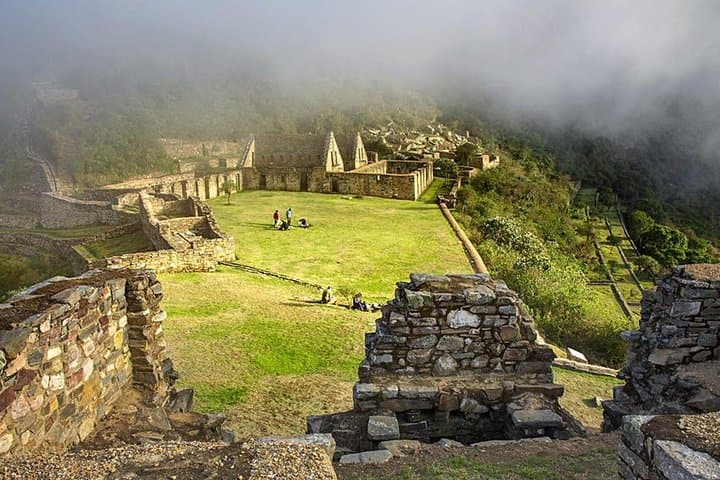
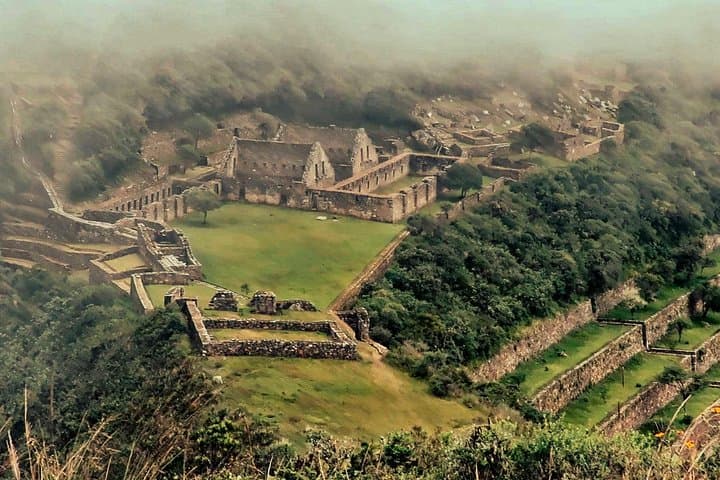
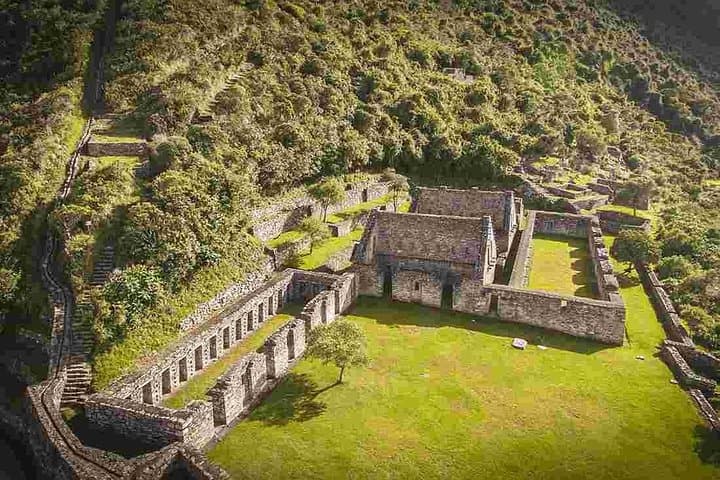
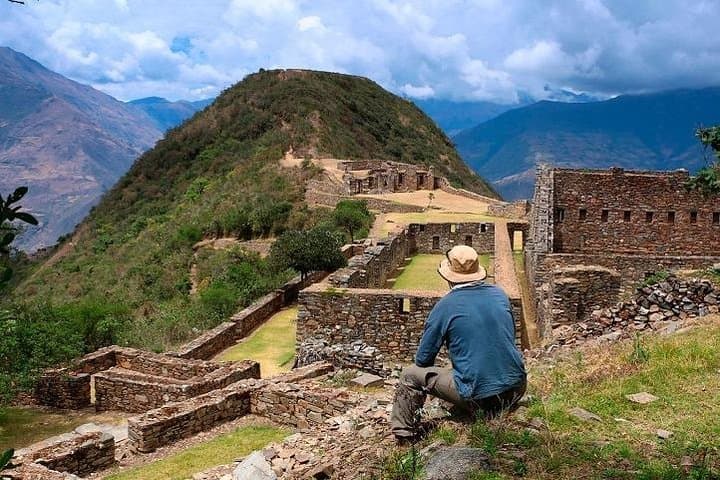
Before dawn a string of headlamps threads down a dusty switchback and the canyon opens like a page: terraced stone edges, a river thin and fast far below, and the silhouette of a lost city clinging to a ridge. The first day drops you through sun-baked scrub into the Apurímac gorge; later days push back up through cloud-washed forests to the high terraces of Choquequirao — a place of carved stones, steep platforms, and wind that seems to read the ruins aloud.
Before dawn a string of headlamps threads down a dusty switchback and the canyon opens like a page: terraced stone edges, a river thin and fast far below, and the silhouette of a lost city clinging to a ridge. The first day drops you through sun-baked scrub into the Apurímac gorge; later days push back up through cloud-washed forests to the high terraces of Choquequirao — a place of carved stones, steep platforms, and wind that seems to read the ruins aloud.
Choquequirao likely grew under Pachacuti’s reign and later became a refuge for Manco Inca Yupanqui, a last holdout after Cusco fell in 1535. Geologically this is the western flank of the Andes where deep river incision carved dramatic canyons and left isolated plateaus that the Incas adapted into agricultural and ceremonial spaces. Local communities in Cachora and Capuliyoc still work traditional terraces and raise llamas; guides often weave Quechua place-names and agricultural cycles into the narrative at camps.
Practical guidance: the trail is steep, with long descents into the gorge and high saddles near 3,000 m. Expect dusty sun in the low sections, wind and colder temperatures at camp. The trip includes transport, bi-lingual guide, entrance fees, camping and most meals, but bring a durable daypack, layered clothing, water treatment or purification tablets, and cash for tips. Acclimatize in Cusco for 48–72 hours before starting, pace the uphill sections, and reserve energy for exposed ridge walking near the site. This is remote trekking — move deliberately, respect fragile terraces, and be ready to trade comfort for one of the Andes’ most rewarding archaeological views.