THE ADVENTURE COLLECTIVE® · Independent discovery and booking for outdoor travel

A quieter alternative to Machu Picchu, the 4-day Choquequirao trek drops into the Apurímac Valley and climbs to a mostly unexcavated Inca city perched at 3,050 m. Expect steep descents and climbs, rich cloudforest flora, and guided campsite comfort with horse support.
A quieter alternative to Machu Picchu, the 4-day Choquequirao trek drops into the Apurímac Valley and climbs to a mostly unexcavated Inca city perched at 3,050 m. Expect steep descents and climbs, rich cloudforest flora, and guided campsite comfort with horse support.
You begin the day in the pre-dawn hush of Cusco and, after a four‑hour drive, step onto the trail at Cachora with the Apurímac Valley yawning below. The path drops steeply, forcing a rhythm into your legs as the river dares you from the valley floor and cloud-streaked peaks keep watch above. By evening you’ll camp at Santa Rosa (2,200 m), the quiet amplified by river noise and the distant silhouette of Choquequirao.
Verified experiences and guided adventures in the surrounding area.
Operated by Machupicchu USA · Cusco, Cusco
You begin the day in the pre-dawn hush of Cusco and, after a four‑hour drive, step onto the trail at Cachora with the Apurímac Valley yawning below. The path drops steeply, forcing a rhythm into your legs as the river dares you from the valley floor and cloud-streaked peaks keep watch above. By evening you’ll camp at Santa Rosa (2,200 m), the quiet amplified by river noise and the distant silhouette of Choquequirao.
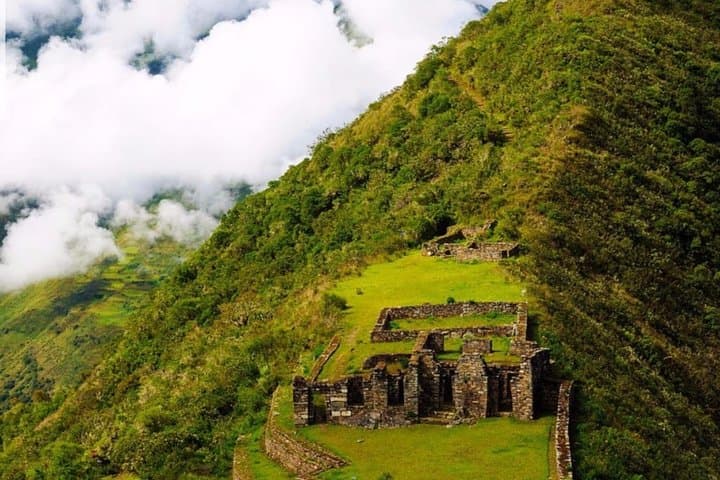
This site—often called the “sister city” of Machu Picchu—sits on a remote ridge above the Apurímac. The Inca stonework, terraces and stairways speak to a culture that engineered agriculture into steep slopes; only about 25% of the city has been excavated, so much of its layout remains a deliberate mystery. The geology here is steep-sided canyon, volcanic soils and river-carved schists that foster orchids, bromeliads and bamboo groves unique to this microclimate.
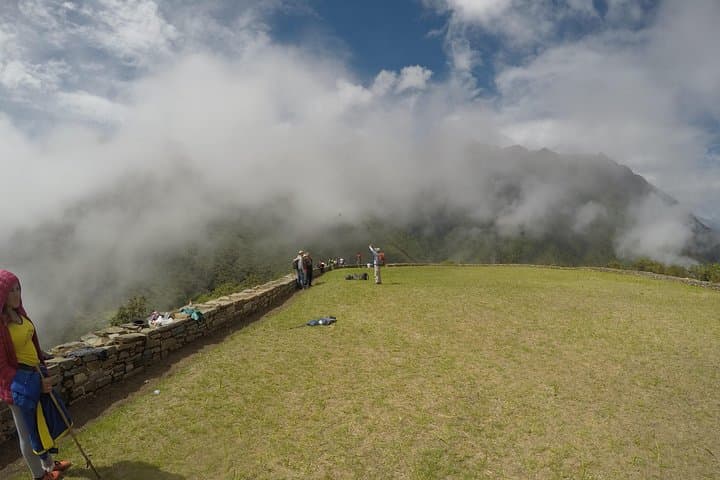
Expect demanding climbs: day two climbs roughly 800 m over about 14 km in hot, humid conditions to reach the Choquequirao overlook at ~3,050 m. Condors often patrol the thermals above. Guided site walks cover the major plazas, terraces and ceremonial sectors and explain Choquequirao’s ties to the wider Inca network.
Practically: come acclimatized to 3,000 m, carry layered clothing for big temperature swings, and plan for muddy sections in the wet season. The trek is served by horses for equipment (and 6 kg of personal gear), comfortable tents, a dining tent and a cook; guides provide interpretation and a first‑aid kit. Hydrate, pace your ascents, and leave extra time to sit on a terrace and watch the condors carve the air.
challenging.
4 days (3 nights).
Good cardiovascular fitness with experience on sustained uphill and downhill hikes; prior high‑altitude exposure recommended
The toughest day gains roughly 800 m over about 14 km through hot, humid terrain; it’s physically demanding and requires steady pacing and hydration.
Yes—the tour provides comfortable tents, sleeping mattresses, a dining tent and cooked meals prepared along the route.
Horses carry cooking and camping equipment plus up to 6 kg of your personal items—pack light for what you put on the animals and carry essentials in your daypack.
Entrance is included with guided treks; compared with Machu Picchu permits are less restrictive, but site access is managed and requires payment at the trailhead.
Choquequirao is an Inca administrative and ceremonial center on a strategic ridge above the Apurímac; its remoteness preserved many sectors until modern archaeological work began.
Foot traffic is concentrated on narrow trails—stay on designated paths and pack out waste; local operators use horses to reduce repeated load impact on trails.
Machupicchu USA operates guided outdoor trips and adventures with an emphasis on safety, stewardship, and memorable experiences.


You begin the day in the pre-dawn hush of Cusco and, after a four‑hour drive, step onto the trail at Cachora with the Apurímac Valley yawning below. The path drops steeply, forcing a rhythm into your legs as the river dares you from the valley floor and cloud-streaked peaks keep watch above. By evening you’ll camp at Santa Rosa (2,200 m), the quiet amplified by river noise and the distant silhouette of Choquequirao.
You begin the day in the pre-dawn hush of Cusco and, after a four‑hour drive, step onto the trail at Cachora with the Apurímac Valley yawning below. The path drops steeply, forcing a rhythm into your legs as the river dares you from the valley floor and cloud-streaked peaks keep watch above. By evening you’ll camp at Santa Rosa (2,200 m), the quiet amplified by river noise and the distant silhouette of Choquequirao.
This site—often called the “sister city” of Machu Picchu—sits on a remote ridge above the Apurímac. The Inca stonework, terraces and stairways speak to a culture that engineered agriculture into steep slopes; only about 25% of the city has been excavated, so much of its layout remains a deliberate mystery. The geology here is steep-sided canyon, volcanic soils and river-carved schists that foster orchids, bromeliads and bamboo groves unique to this microclimate.
Expect demanding climbs: day two climbs roughly 800 m over about 14 km in hot, humid conditions to reach the Choquequirao overlook at ~3,050 m. Condors often patrol the thermals above. Guided site walks cover the major plazas, terraces and ceremonial sectors and explain Choquequirao’s ties to the wider Inca network.
Practically: come acclimatized to 3,000 m, carry layered clothing for big temperature swings, and plan for muddy sections in the wet season. The trek is served by horses for equipment (and 6 kg of personal gear), comfortable tents, a dining tent and a cook; guides provide interpretation and a first‑aid kit. Hydrate, pace your ascents, and leave extra time to sit on a terrace and watch the condors carve the air.