THE ADVENTURE COLLECTIVE® · Independent discovery and booking for outdoor travel

A remote alternative to the classic Inca Trail, this 7-day route links Choquequirao and Machu Picchu through cloud forest, high puna and living Quechua villages. Expect steep ascents, river crossings and expansive archaeological terraces on a demanding but richly rewarding itinerary.
A remote alternative to the classic Inca Trail, this 7-day route links Choquequirao and Machu Picchu through cloud forest, high puna and living Quechua villages. Expect steep ascents, river crossings and expansive archaeological terraces on a demanding but richly rewarding itinerary.
Dawn finds you on a dirt ridge above the Limatambo valley, the early light cutting across terraces and powdery dust as last-night's camp breaks down. Coca tea warms gloved hands; a steady descent into Chiquisca gives way to a zigzag climb through cloud forest, then the dry grasses of the puna. The ruins of Choquequirao appear like a city resisting the mountain's pull, and later the rails to Aguas Calientes usher you into a different kind of green before Machu Picchu crowns the route.
Verified experiences and guided adventures in the surrounding area.
Operated by Tierras de los Andes · Cusco, Cusco Region
Dawn finds you on a dirt ridge above the Limatambo valley, the early light cutting across terraces and powdery dust as last-night's camp breaks down. Coca tea warms gloved hands; a steady descent into Chiquisca gives way to a zigzag climb through cloud forest, then the dry grasses of the puna. The ruins of Choquequirao appear like a city resisting the mountain's pull, and later the rails to Aguas Calientes usher you into a different kind of green before Machu Picchu crowns the route.
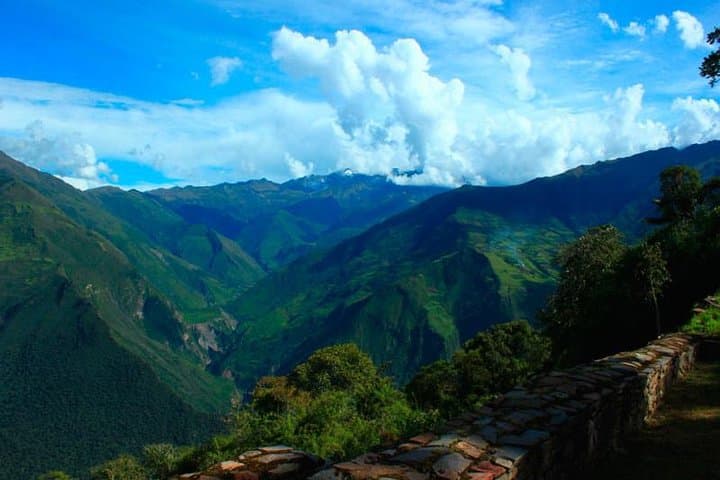
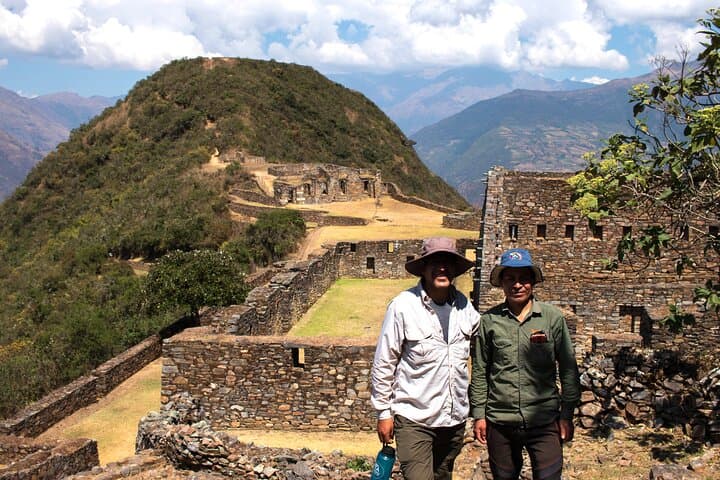
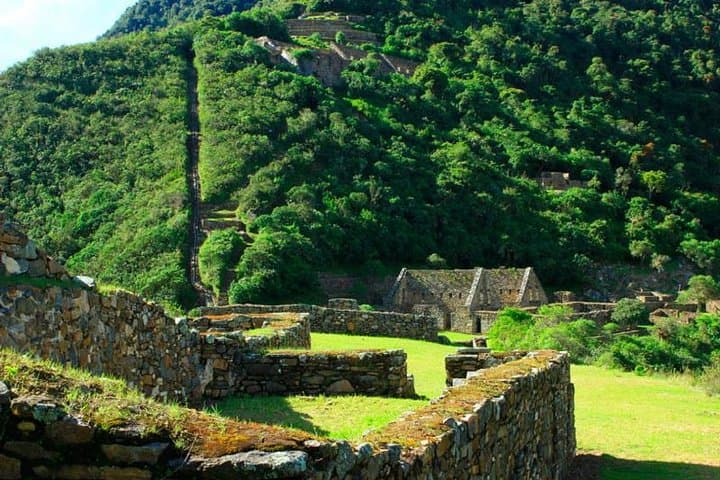
The trek threads two Inca worlds. Choquequirao, often called the "sister" of Machu Picchu, shows large agricultural terraces and fine stonework set against steep geology shaped by Andean uplift and glacial carving. The route crosses river gullies, original Inca trail segments and villages where Quechua culture is living—principally farming, weaving and highland Catholic observances. Geologically the corridor shifts from humid cloud forest with orchids and bromeliads to ichu grassland higher up, a visible transition in both flora and weather.
Practical guidance: allow 6–7 days, build in acclimatization in Cusco, and expect long climbs—some days gain 900–1,200 m. Waterproof layers, sturdy boots with ankle support, and a good hydration system are essential. Carry cash for basic village purchases and a small first-aid kit for blisters and altitude discomfort. Travel in the dry season (May–September) for more stable trails; be ready for afternoon cloudbursts year-round. Move deliberately: the route rewards patience with expansive viewpoints, quiet terraces and the chance to see Andean condors circling the high passes.
challenging.
7 days.
Good cardiovascular fitness and experience with full-day hikes at altitude; comfortable with sustained ascents and descents
Machu Picchu requires timed entry tickets purchased in advance; Choquequirao does not require the same national timed permit system but entrance fees or local guide fees may apply—confirm with your operator.
Expect full days of hiking with steep climbs and descents; some days gain 800–1,200 m and include river crossings and exposed trail sections.
Tap and river water should be treated—use purification tablets or a filter; bottled water is available in villages but carry your own supply for long sections.
The dry season (May–September) offers more stable trails and clearer mountain views; shoulder months may have fewer crowds but more rain.
Choquequirao served as a remote Inca ceremonial and agricultural center tied to highland communities; Machu Picchu, built in the 15th century and brought to wider attention by Hiram Bingham in 1911, showcases sophisticated Inca stonework and terracing.
These ecosystems are fragile—stick to trails, avoid single-use plastics, and support local guides and community-run accommodations to keep economic benefits local.
Tierras de los Andes operates guided outdoor trips and adventures with an emphasis on safety, stewardship, and memorable experiences.
Dawn finds you on a dirt ridge above the Limatambo valley, the early light cutting across terraces and powdery dust as last-night's camp breaks down. Coca tea warms gloved hands; a steady descent into Chiquisca gives way to a zigzag climb through cloud forest, then the dry grasses of the puna. The ruins of Choquequirao appear like a city resisting the mountain's pull, and later the rails to Aguas Calientes usher you into a different kind of green before Machu Picchu crowns the route.
Dawn finds you on a dirt ridge above the Limatambo valley, the early light cutting across terraces and powdery dust as last-night's camp breaks down. Coca tea warms gloved hands; a steady descent into Chiquisca gives way to a zigzag climb through cloud forest, then the dry grasses of the puna. The ruins of Choquequirao appear like a city resisting the mountain's pull, and later the rails to Aguas Calientes usher you into a different kind of green before Machu Picchu crowns the route.
The trek threads two Inca worlds. Choquequirao, often called the "sister" of Machu Picchu, shows large agricultural terraces and fine stonework set against steep geology shaped by Andean uplift and glacial carving. The route crosses river gullies, original Inca trail segments and villages where Quechua culture is living—principally farming, weaving and highland Catholic observances. Geologically the corridor shifts from humid cloud forest with orchids and bromeliads to ichu grassland higher up, a visible transition in both flora and weather.
Practical guidance: allow 6–7 days, build in acclimatization in Cusco, and expect long climbs—some days gain 900–1,200 m. Waterproof layers, sturdy boots with ankle support, and a good hydration system are essential. Carry cash for basic village purchases and a small first-aid kit for blisters and altitude discomfort. Travel in the dry season (May–September) for more stable trails; be ready for afternoon cloudbursts year-round. Move deliberately: the route rewards patience with expansive viewpoints, quiet terraces and the chance to see Andean condors circling the high passes.