THE ADVENTURE COLLECTIVE® · Independent discovery and booking for outdoor travel

A four-day, 64 km trek from Cusco into the Apurimac Canyon leads to Choquequirao—an expansive, high-elevation Inca site reached by steep ascents, river valleys and remote campsites. This guide covers what to expect, how to prepare, and the practicalities of the trail.
A four-day, 64 km trek from Cusco into the Apurimac Canyon leads to Choquequirao—an expansive, high-elevation Inca site reached by steep ascents, river valleys and remote campsites. This guide covers what to expect, how to prepare, and the practicalities of the trail.
The trail begins before dawn—Cusco receding in the rearview as roads carve through Anta's hills and the air thins. Descents open into the Apurimac Canyon where the river dares you forward, rushing beneath jagged terraces and a sky that sharpens with altitude.
Verified experiences and guided adventures in the surrounding area.
Operated by Trails to Machu Picchu · Cusco, Cusco Region
The trail begins before dawn—Cusco receding in the rearview as roads carve through Anta's hills and the air thins. Descents open into the Apurimac Canyon where the river dares you forward, rushing beneath jagged terraces and a sky that sharpens with altitude.
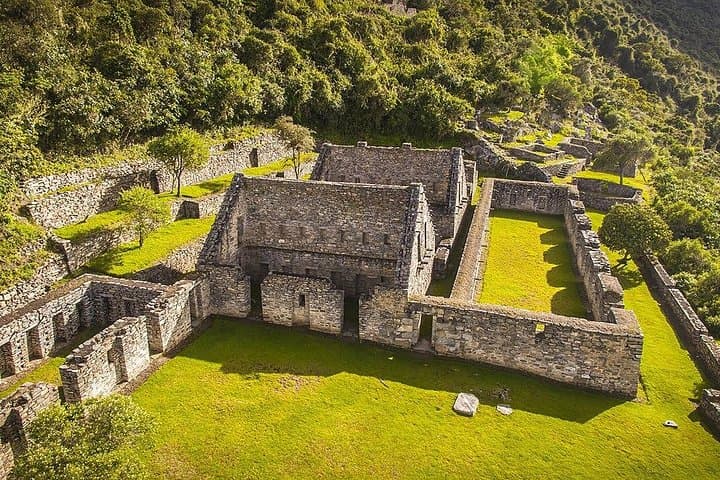
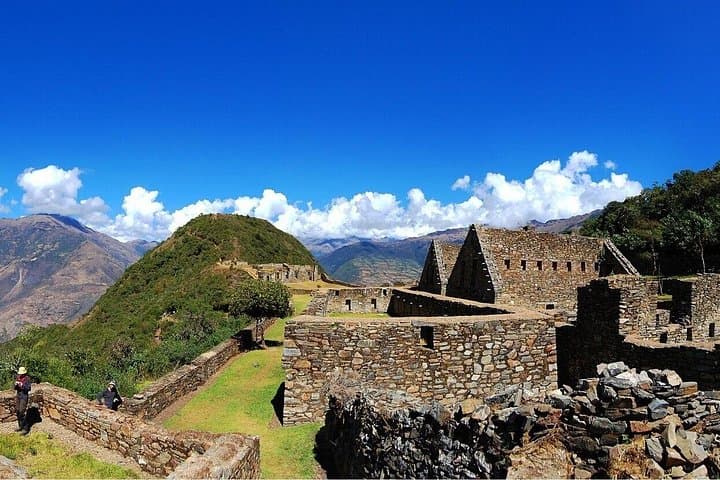
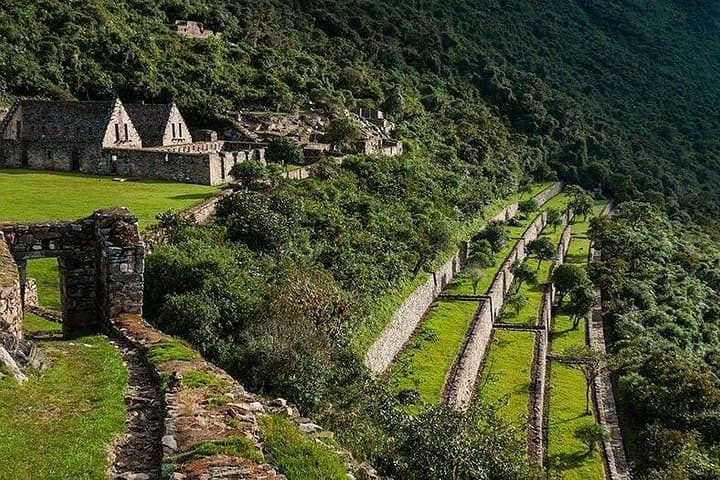
Choquequirao, literally “Cradle of Gold,” sits at roughly 3,050 m amid high-altitude scrub and cloud-fed valleys. The four-day, ~64 km (40 mi) route drops from alpine puna into warmer canyon floors and back up to the archaeological plateau, tracing centuries of Inca stonework and agricultural terraces. Geologically, the trail negotiates steep talus slopes and river-cut gorges; botanically, expect altitudinal bands from ichu grass to Polylepis pockets and Andean shrubs.
Culturally the site reveals Inca planning and ritual spaces—terraces, plazas and ceremonial stairways—set against the working landscape of local campesinos and seasonal shepherds. Marampata and Playa Rosalinas are quieter vantage points where the river and cliffs set the scene for quiet observation.
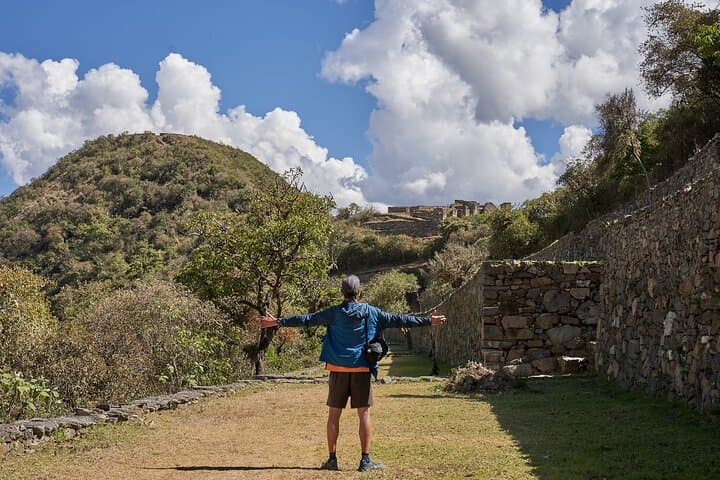
Practically: this is a challenging, high-altitude trek that rewards pacing and hydration. Trekkers carry light daypacks while porters manage camp gear; bring a warm sleeping bag, layered clothing, reliable boots and rain protection. Plan for long ascents and technical descents, start early to avoid afternoon storms in the wet season, and allow 48–72 hours in Cusco beforehand to acclimatize. Campsites are basic but organized—expect cooked meals, communal tents and starlit nights. For those who accept thin air and steep switchbacks, Choquequirao delivers remote ruins, dramatic canyon views and the rare satisfaction of visiting an Inca site largely untouched by crowds.
challenging.
4 days.
You should be in good aerobic condition; regular uphill hiking or stair training recommended and comfortable with multi-hour days at altitude.
Entrance fees to the Choquequirao archaeological site are typically included by operators; independent trekkers must purchase the site's ticket at local offices or through authorized vendors.
The site sits around 3,050 m with significant daily elevation change; altitude can affect anyone—pace yourself, hydrate, and consider medication after consulting a physician.
On this guided tour, camping equipment, site fees, and most meals are included; confirm specifics (sleeping pad, personal tent) with the operator before departure.
The dry season (May–September) offers more stable weather and clearer views; the wet season brings mud, leeches in lower stretches and afternoon storms.
Choquequirao is an important Inca complex contemporary with other late-Inca sites, built as an agricultural, administrative and ceremonial center overlooking the Apurimac.
Visitor numbers are controlled and camping is organized to limit impact; follow Leave No Trace principles and avoid disturbing terraces or wildlife.
Trails to Machu Picchu operates guided outdoor trips and adventures with an emphasis on safety, stewardship, and memorable experiences.
The trail begins before dawn—Cusco receding in the rearview as roads carve through Anta's hills and the air thins. Descents open into the Apurimac Canyon where the river dares you forward, rushing beneath jagged terraces and a sky that sharpens with altitude.
The trail begins before dawn—Cusco receding in the rearview as roads carve through Anta's hills and the air thins. Descents open into the Apurimac Canyon where the river dares you forward, rushing beneath jagged terraces and a sky that sharpens with altitude.
Choquequirao, literally “Cradle of Gold,” sits at roughly 3,050 m amid high-altitude scrub and cloud-fed valleys. The four-day, ~64 km (40 mi) route drops from alpine puna into warmer canyon floors and back up to the archaeological plateau, tracing centuries of Inca stonework and agricultural terraces. Geologically, the trail negotiates steep talus slopes and river-cut gorges; botanically, expect altitudinal bands from ichu grass to Polylepis pockets and Andean shrubs.
Culturally the site reveals Inca planning and ritual spaces—terraces, plazas and ceremonial stairways—set against the working landscape of local campesinos and seasonal shepherds. Marampata and Playa Rosalinas are quieter vantage points where the river and cliffs set the scene for quiet observation.
Practically: this is a challenging, high-altitude trek that rewards pacing and hydration. Trekkers carry light daypacks while porters manage camp gear; bring a warm sleeping bag, layered clothing, reliable boots and rain protection. Plan for long ascents and technical descents, start early to avoid afternoon storms in the wet season, and allow 48–72 hours in Cusco beforehand to acclimatize. Campsites are basic but organized—expect cooked meals, communal tents and starlit nights. For those who accept thin air and steep switchbacks, Choquequirao delivers remote ruins, dramatic canyon views and the rare satisfaction of visiting an Inca site largely untouched by crowds.