THE ADVENTURE COLLECTIVE® · Independent discovery and booking for outdoor travel

A remote four-day trek to Choquequirao ventures deep into the Apurímac canyon to an Inca citadel often called Machu Picchu’s sister. Expect long days, high passes, mule support and authentic Andean campsites.
A remote four-day trek to Choquequirao ventures deep into the Apurímac canyon to an Inca citadel often called Machu Picchu’s sister. Expect long days, high passes, mule support and authentic Andean campsites.
Dawn in Cachora arrives cool and thin, and the bus ride tightens the throat with the first views of the Apurímac cutting through the Andes. You set off on a steep descent that feels like leaving the modern world behind—trail stones give way to switchbacks, the river below daring you with its depth, and every turn reveals a terrace-lined slope working like a human-made bench for the mountains.
Verified experiences and guided adventures in the surrounding area.
Operated by Aventuras EcotrekPeru Tour Operador · Cachora, Cusco
Dawn in Cachora arrives cool and thin, and the bus ride tightens the throat with the first views of the Apurímac cutting through the Andes. You set off on a steep descent that feels like leaving the modern world behind—trail stones give way to switchbacks, the river below daring you with its depth, and every turn reveals a terrace-lined slope working like a human-made bench for the mountains.
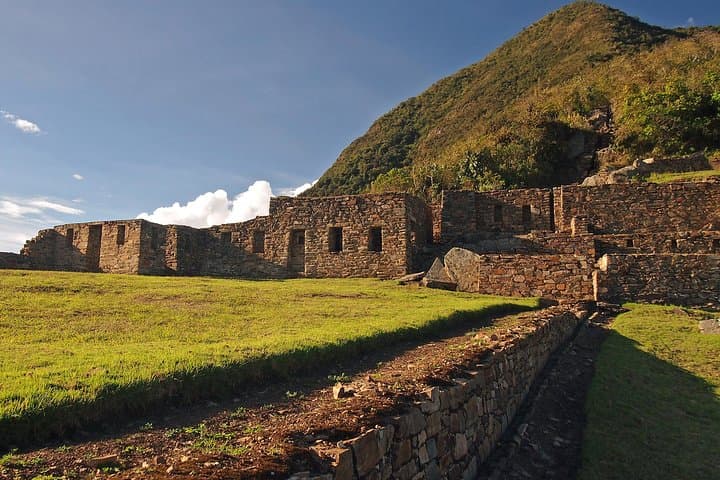
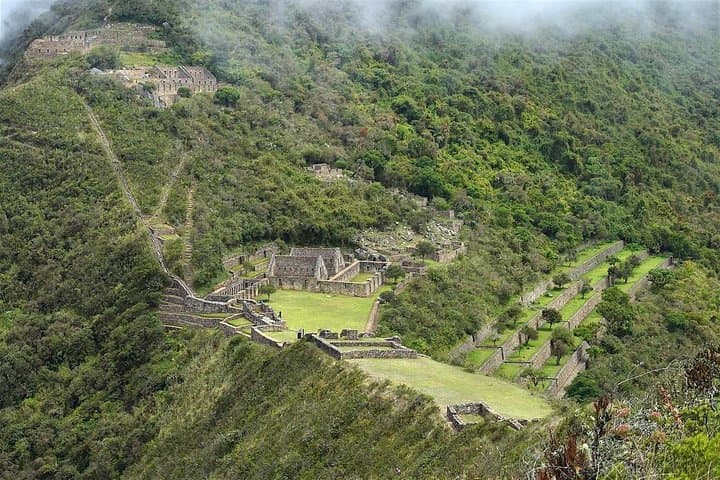
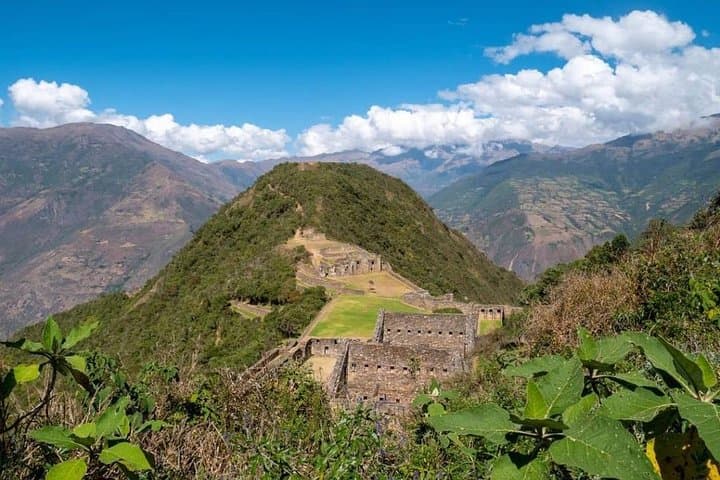
Choquequirao—Quechua for “Cradle of Gold”—is an unfinished Inca stronghold perched just under 3,100 m. Its broad terraces, ceremonial plazas and carved stone echo the same architectural language as Machu Picchu but with far fewer visitors. The route crosses distinct ecological bands: high puna grasslands, cloud-forested ravines and agricultural hamlets where Quechua-speaking families tend potatoes and raise llamas; the Apurímac gorge itself is a product of relentless uplift and river incision, exposing steep schists and outcrops.
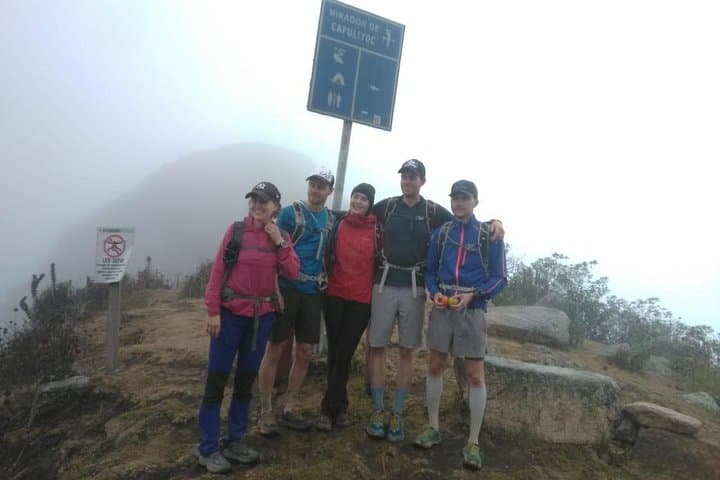
Expect four days of sustained hiking—daily averages near six hours—with long ascents and steep descents and nights under canvas at Maranpata and Capulliyoc. Mules carry heavy loads and a cook prepares meals, but trekkers still need good fitness, layers for cold nights, and water treatment. Acclimatize in Cusco for 24–48 hours before departure, carry a compact first-aid kit, and plan for muddy trail sections in the rainy season.
This trek rewards endurance: empty stone streets, a sunset over snow peaks, and the quiet scale of an Inca project left to the sky.
challenging.
4 days.
Good cardiovascular fitness and leg strength; accustomed to 5–8 hour days and altitude
Yes—this itinerary includes the park access/entrance to Choquequirao as part of the package.
You should be comfortable hiking 5–7 hours on uneven terrain with sustained climbs and descents and have prior day-hike or multi-day trekking experience.
Facilities are basic: camps have pit or compost toilets; showers are not guaranteed—plan for sponge baths and wet-wipe hygiene.
The tour provides mule support for group equipment and an emergency horse; hiring a personal horse/porter may be available locally but should be requested in advance.
Choquequirao was a significant Inca complex with terraces and plazas; archaeologists consider it a counterpart to Machu Picchu, likely used for strategic, agricultural and ceremonial purposes.
The site remains less-visited due to difficult access; stay on trails, avoid camping inside ruins and support local guides to reduce impact and benefit communities.
Aventuras EcotrekPeru Tour Operador operates guided outdoor trips and adventures with an emphasis on safety, stewardship, and memorable experiences.
Dawn in Cachora arrives cool and thin, and the bus ride tightens the throat with the first views of the Apurímac cutting through the Andes. You set off on a steep descent that feels like leaving the modern world behind—trail stones give way to switchbacks, the river below daring you with its depth, and every turn reveals a terrace-lined slope working like a human-made bench for the mountains.
Dawn in Cachora arrives cool and thin, and the bus ride tightens the throat with the first views of the Apurímac cutting through the Andes. You set off on a steep descent that feels like leaving the modern world behind—trail stones give way to switchbacks, the river below daring you with its depth, and every turn reveals a terrace-lined slope working like a human-made bench for the mountains.
Choquequirao—Quechua for “Cradle of Gold”—is an unfinished Inca stronghold perched just under 3,100 m. Its broad terraces, ceremonial plazas and carved stone echo the same architectural language as Machu Picchu but with far fewer visitors. The route crosses distinct ecological bands: high puna grasslands, cloud-forested ravines and agricultural hamlets where Quechua-speaking families tend potatoes and raise llamas; the Apurímac gorge itself is a product of relentless uplift and river incision, exposing steep schists and outcrops.
Expect four days of sustained hiking—daily averages near six hours—with long ascents and steep descents and nights under canvas at Maranpata and Capulliyoc. Mules carry heavy loads and a cook prepares meals, but trekkers still need good fitness, layers for cold nights, and water treatment. Acclimatize in Cusco for 24–48 hours before departure, carry a compact first-aid kit, and plan for muddy trail sections in the rainy season.
This trek rewards endurance: empty stone streets, a sunset over snow peaks, and the quiet scale of an Inca project left to the sky.