THE ADVENTURE COLLECTIVE® · Independent discovery and booking for outdoor travel

A hard-earned four-day trek from Cusco to Choquequirao delivers soaring canyon views, largely undisturbed Inca terraces, and nights beneath a crystalline high-Andean sky. This route combines steep ascents, mule-supported camps, and a deep feel for local Andean life.
A hard-earned four-day trek from Cusco to Choquequirao delivers soaring canyon views, largely undisturbed Inca terraces, and nights beneath a crystalline high-Andean sky. This route combines steep ascents, mule-supported camps, and a deep feel for local Andean life.
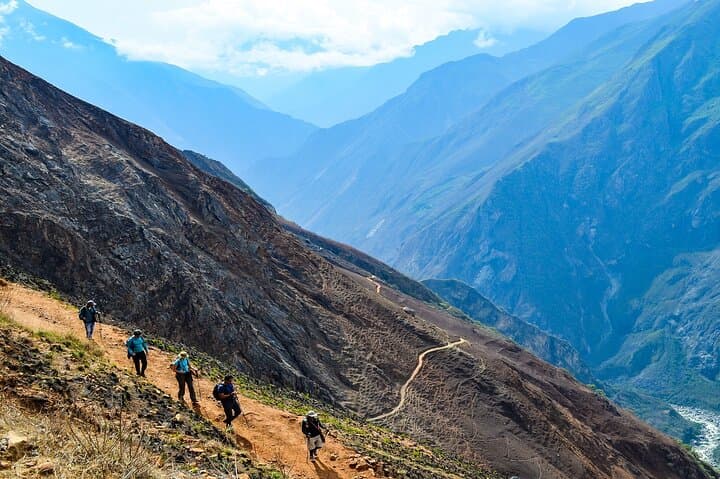
You step off the minibus at San Pedro de Cachora with the canyon yawning below and the Apurímac River daring you from the depths. The first day’s trail drops through scrub and cloud-shadowed slopes, mule bells marking the route as you descend toward the riverside camp. Nights are high-mountain quiet; stars cut sharp against the thinning air.
Verified experiences and guided adventures in the surrounding area.
Operated by Tangol · Cachora, Cusco Region
You step off the minibus at San Pedro de Cachora with the canyon yawning below and the Apurímac River daring you from the depths. The first day’s trail drops through scrub and cloud-shadowed slopes, mule bells marking the route as you descend toward the riverside camp. Nights are high-mountain quiet; stars cut sharp against the thinning air.
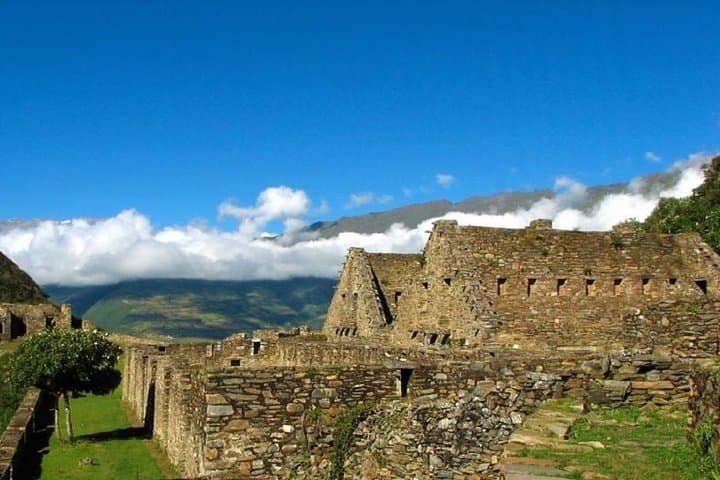
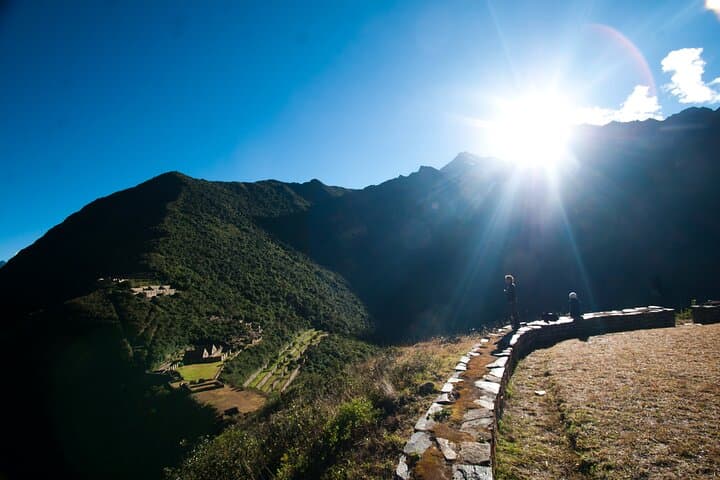
Choquequirao’s terraces and stone plazas were raised in the late Inca period and abandoned during the Spanish conquest; rediscovered by explorers in the early 20th century, the site sits on a steep shoulder above the Apurímac canyon. Geologically the trek threads volcanic and sedimentary slopes, with sharp elevation swings that create microclimates—orchids and ichu grass, condors gliding on thermal lifts. Cultural notes appear in village stops: shepherds, simple stores at Marampata and Chiquisca, and centuries-old footpaths repaired by mules.
Practically, this is a four-day, high-altitude circuit: long ascents and descents totaling several thousand feet each day, with single-file trails, stone stair sections, and basic campsites. Expect variable weather—sun, wind, sudden rains—and rely on layers, solid boots, and daily hydration. Guides handle camp logistics and mules carry bulky gear, but physical conditioning and acclimatization are essential.
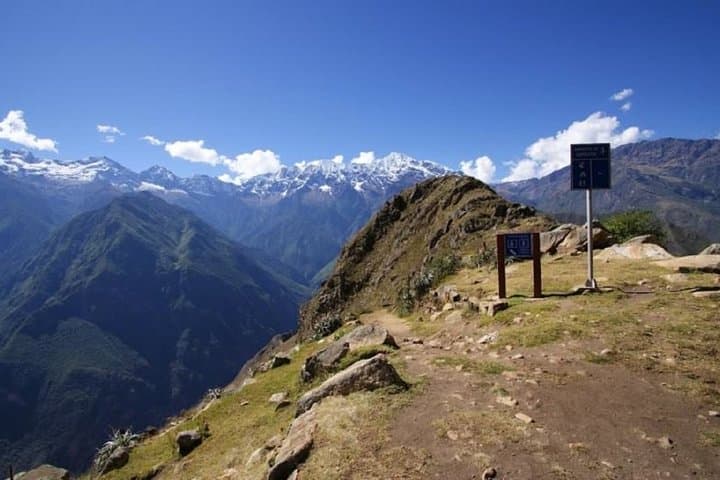
Plan for early starts, short daylight windows at altitude, and modest facilities. Rewards are panoramic canyon views, quiet exploration of largely undisturbed Inca architecture, and the sense of earning a site that still feels remote.
challenging.
4 days.
High level of aerobic fitness and experience with long ascents/descents at altitude; able to hike 6–8 hours per day.
Yes — there is an archaeological site entrance fee; tour operators typically include this in the price and handle ticket processing.
Challenging: long days with steep elevation gain/loss and high altitude; good cardiovascular fitness and prior multi-day trekking experience are recommended.
Camps include dining and kitchen tents, inflatable sleeping pads, and hot water each morning and night, but expect rustic conditions and no private facilities.
Guides carry a first aid kit and oxygen bottle; still, acclimatization, slow pacing, and awareness of symptoms are critical—descend immediately if severe signs appear.
Choquequirao was built during the late Inca era and served as an administrative and ceremonial center; it was largely abandoned after the Spanish conquest and later brought to wider attention by early 20th-century explorers.
Limited daily visitors, reliance on mule transport, and responsible camping help reduce erosion and pressure on fragile terraces; pack-out practices and guide-led sanitation are encouraged.
Tangol operates guided outdoor trips and adventures with an emphasis on safety, stewardship, and memorable experiences.
You step off the minibus at San Pedro de Cachora with the canyon yawning below and the Apurímac River daring you from the depths. The first day’s trail drops through scrub and cloud-shadowed slopes, mule bells marking the route as you descend toward the riverside camp. Nights are high-mountain quiet; stars cut sharp against the thinning air.
You step off the minibus at San Pedro de Cachora with the canyon yawning below and the Apurímac River daring you from the depths. The first day’s trail drops through scrub and cloud-shadowed slopes, mule bells marking the route as you descend toward the riverside camp. Nights are high-mountain quiet; stars cut sharp against the thinning air.
Choquequirao’s terraces and stone plazas were raised in the late Inca period and abandoned during the Spanish conquest; rediscovered by explorers in the early 20th century, the site sits on a steep shoulder above the Apurímac canyon. Geologically the trek threads volcanic and sedimentary slopes, with sharp elevation swings that create microclimates—orchids and ichu grass, condors gliding on thermal lifts. Cultural notes appear in village stops: shepherds, simple stores at Marampata and Chiquisca, and centuries-old footpaths repaired by mules.
Practically, this is a four-day, high-altitude circuit: long ascents and descents totaling several thousand feet each day, with single-file trails, stone stair sections, and basic campsites. Expect variable weather—sun, wind, sudden rains—and rely on layers, solid boots, and daily hydration. Guides handle camp logistics and mules carry bulky gear, but physical conditioning and acclimatization are essential.
Plan for early starts, short daylight windows at altitude, and modest facilities. Rewards are panoramic canyon views, quiet exploration of largely undisturbed Inca architecture, and the sense of earning a site that still feels remote.