THE ADVENTURE COLLECTIVE® · Independent discovery and booking for outdoor travel

A three-day, guided trek from Cusco to the remote Inca citadel of Choquequirao — steep descents and ascents, multi-day camping, and uncrowded ruins with sweeping canyon views. Ideal for fit hikers seeking a demanding, off-the-beaten-path archaeological experience.
A three-day, guided trek from Cusco to the remote Inca citadel of Choquequirao — steep descents and ascents, multi-day camping, and uncrowded ruins with sweeping canyon views. Ideal for fit hikers seeking a demanding, off-the-beaten-path archaeological experience.
Dawn breaks over the canyon as you descend from the rim toward the first camp — a river valley that seems to dare you to keep moving. The air thins and cools; mist lifts off terraces cut into steep slopes and the Vilcabamba peaks watch like a distant, snow-dusted audience. By day two the stonework of Choquequirao appears on a ridge, half-reclaimed by grass, the plaza and plazas telling a quieter version of the Inca story than Machu Picchu.
Verified experiences and guided adventures in the surrounding area.
Operated by Peru4Fun Servicios Turísticos EIRL · Cachora, Cusco
Dawn breaks over the canyon as you descend from the rim toward the first camp — a river valley that seems to dare you to keep moving. The air thins and cools; mist lifts off terraces cut into steep slopes and the Vilcabamba peaks watch like a distant, snow-dusted audience. By day two the stonework of Choquequirao appears on a ridge, half-reclaimed by grass, the plaza and plazas telling a quieter version of the Inca story than Machu Picchu.
Choquequirao served as a late Inca refuge and administrative center, tucked deep in a canyon more than 2,000 meters below the ridgeline. The geology here is dramatic: steep granitic walls, river-cut valleys, and high Andean passes that shape microclimates between camps. Local Quechua communities maintain traditions tied to alpaca herding and seasonal agricultural terraces; much of the site (only about 30% restored) still awaits archaeological work, giving the place an exploratory feel.
Practical guidance: the standard 3-day itinerary covers roughly 24–30 km of walking with daily gains and losses of several hundred meters and sustained steep sections. Expect warm valley days and windy, cool nights; bring layered insulation, a reliable waterproof, and a good pair of trekking boots. Hydrate proactively at altitude, pace uphill sections conservatively, and follow your guide’s route-finding when trails narrow. Camps are basic but organized; meals are included on guided departures. This trek rewards endurance with broad, uncrowded vistas and a palpable sense of discovery — an Inca citadel that still asks to be earned.
challenging.
3 days.
High — expect sustained uphill/downhill hiking for 6–9 hours daily; good cardiovascular fitness and strong knees help
You should have a high level of fitness — regular hikers who can handle 6–9 hours of walking with elevation changes will fare best; prior multi-day trek experience is helpful.
Guided packages typically include admission fees and permits; confirm with your operator before departure.
Camps sit between ~1,800–3,000 m and trailheads are higher; altitude sickness can occur — acclimatize in Cusco and stay hydrated.
Yes — most guided tours include camping accommodations and meals as listed in the itinerary, but confirm dietary needs in advance.
Choquequirao was built as a strategic Inca center and refuge during the empire's final era; modern excavation has restored roughly 30% of the site.
The high-Andean ecosystem is fragile — stick to trails, pack out waste, and support local guides who practice low-impact camping.
Peru4Fun Servicios Turísticos EIRL operates guided outdoor trips and adventures with an emphasis on safety, stewardship, and memorable experiences.
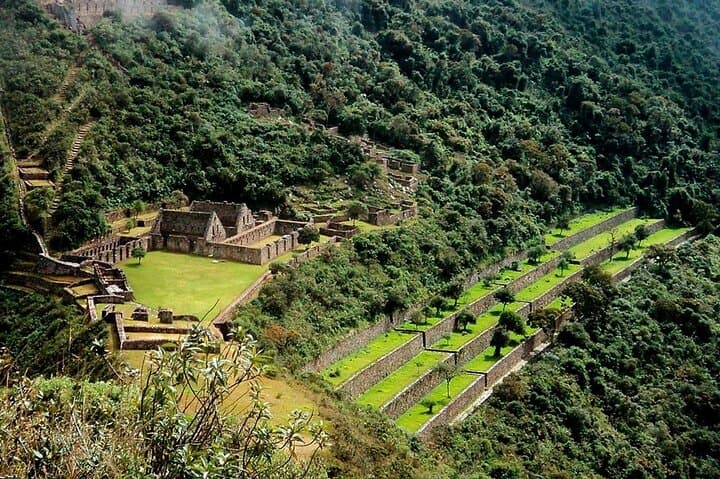
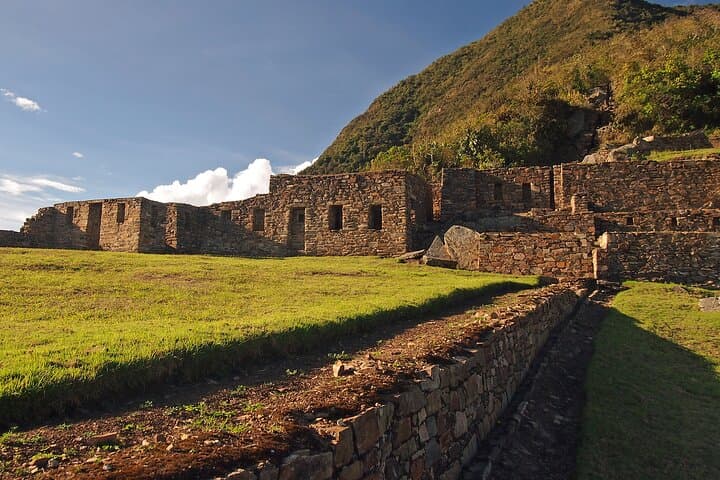
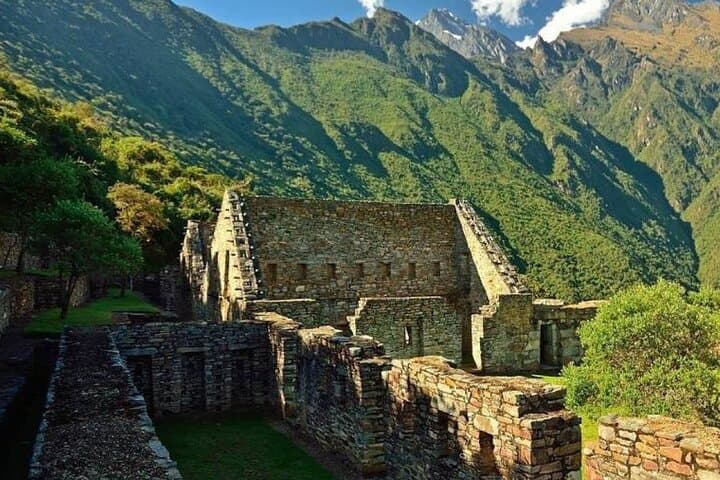
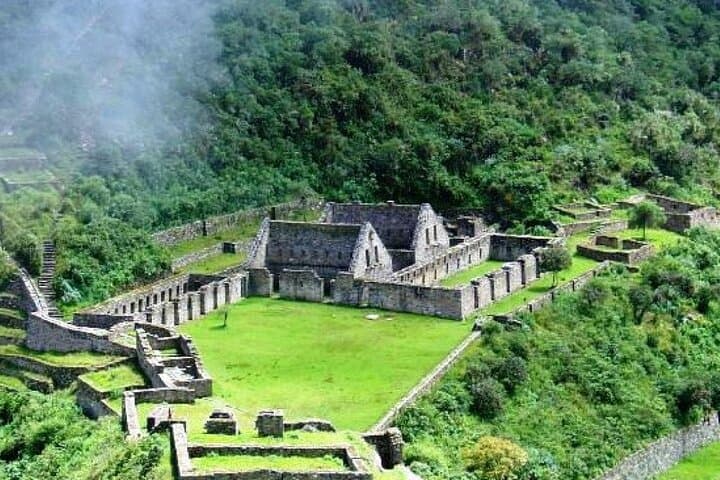
Dawn breaks over the canyon as you descend from the rim toward the first camp — a river valley that seems to dare you to keep moving. The air thins and cools; mist lifts off terraces cut into steep slopes and the Vilcabamba peaks watch like a distant, snow-dusted audience. By day two the stonework of Choquequirao appears on a ridge, half-reclaimed by grass, the plaza and plazas telling a quieter version of the Inca story than Machu Picchu.
Dawn breaks over the canyon as you descend from the rim toward the first camp — a river valley that seems to dare you to keep moving. The air thins and cools; mist lifts off terraces cut into steep slopes and the Vilcabamba peaks watch like a distant, snow-dusted audience. By day two the stonework of Choquequirao appears on a ridge, half-reclaimed by grass, the plaza and plazas telling a quieter version of the Inca story than Machu Picchu.
Choquequirao served as a late Inca refuge and administrative center, tucked deep in a canyon more than 2,000 meters below the ridgeline. The geology here is dramatic: steep granitic walls, river-cut valleys, and high Andean passes that shape microclimates between camps. Local Quechua communities maintain traditions tied to alpaca herding and seasonal agricultural terraces; much of the site (only about 30% restored) still awaits archaeological work, giving the place an exploratory feel.
Practical guidance: the standard 3-day itinerary covers roughly 24–30 km of walking with daily gains and losses of several hundred meters and sustained steep sections. Expect warm valley days and windy, cool nights; bring layered insulation, a reliable waterproof, and a good pair of trekking boots. Hydrate proactively at altitude, pace uphill sections conservatively, and follow your guide’s route-finding when trails narrow. Camps are basic but organized; meals are included on guided departures. This trek rewards endurance with broad, uncrowded vistas and a palpable sense of discovery — an Inca citadel that still asks to be earned.