THE ADVENTURE COLLECTIVE® · Independent discovery and booking for outdoor travel

Follow Chopin’s footsteps through Warsaw’s streets, parks and churches on a focused two-hour walking tour that pairs biography with the city’s 19th-century urban fabric. Learn where he lived, played and why Warsaw remained central to his music.
Follow Chopin’s footsteps through Warsaw’s streets, parks and churches on a focused two-hour walking tour that pairs biography with the city’s 19th-century urban fabric. Learn where he lived, played and why Warsaw remained central to his music.
A street organ grinds softly as the guide leads a small group off Krakowskie Przedmieście and into a narrower lane where young Chopin once heard the city’s rhythms. Cobblestones tap underfoot, and the city’s 19th‑century facades frame conversations about practice rooms, salons and a composer who carried Warsaw with him across Europe.
Verified experiences and guided adventures in the surrounding area.
Operated by PolinTours · Warsaw, Masovian Voivodeship
A street organ grinds softly as the guide leads a small group off Krakowskie Przedmieście and into a narrower lane where young Chopin once heard the city’s rhythms. Cobblestones tap underfoot, and the city’s 19th‑century facades frame conversations about practice rooms, salons and a composer who carried Warsaw with him across Europe.
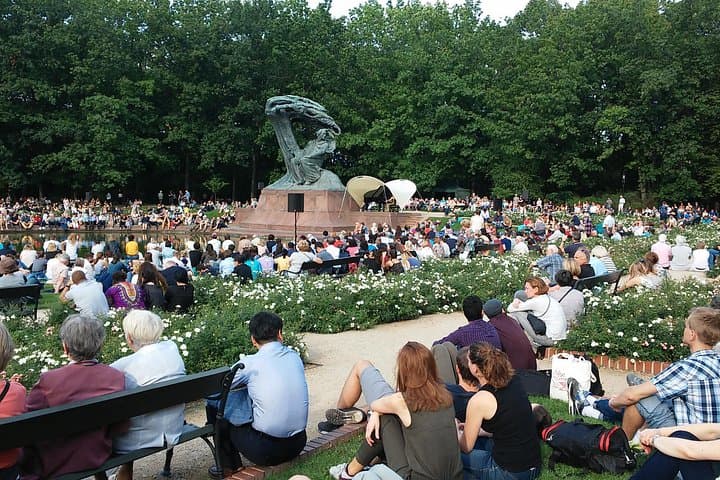
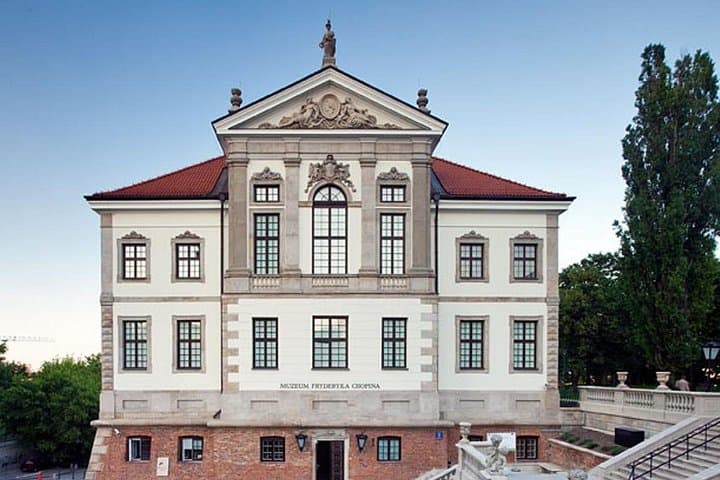
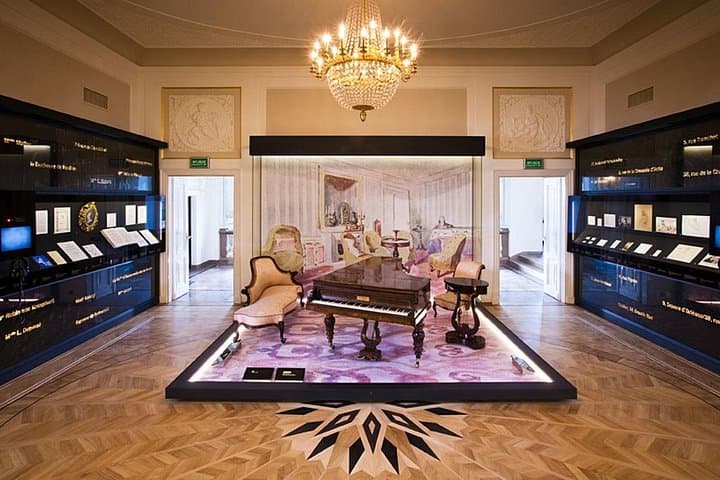
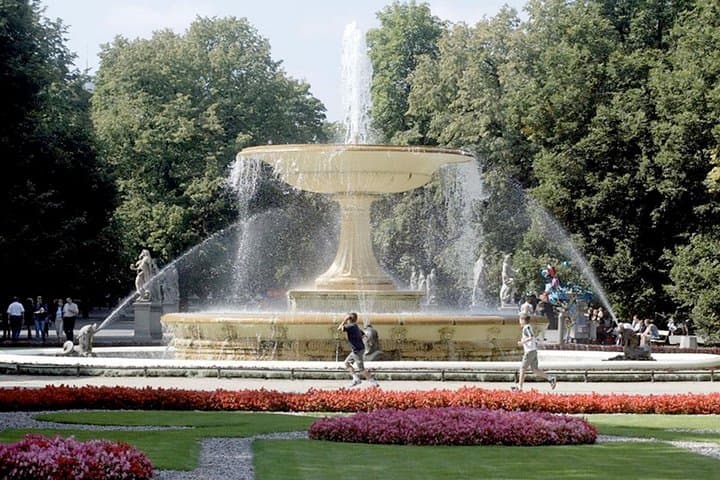
The tour threads together sites that shaped Chopin’s first twenty years: the Saxon Garden where he walked as a boy, the churches where he played and worshipped, the Presidential Palace façade where he appeared before audiences, and the Church of the Holy Cross where, remarkably, his heart is kept. The modern Frédéric Chopin Museum anchors the route with manuscripts, instruments and sound installations that trace his development from Warsaw pupil to expatriate virtuoso — note that the museum’s core exhibition is scheduled for changes in 2026 and may be intermittently closed.
Beyond biography, the walk is a primer in Warsaw’s layered history: partitions, uprisings and a cultural life that persisted through upheaval. Architecture moves from baroque church interiors to neoclassical façades and park fragments that hint at vanished palaces.
Practical guidance: the route is two hours on mostly flat pavements and cobbles, suitable for most fitness levels and wheelchair accessible in sections; expect city noise and brief standing at exhibits. Bring comfortable shoes, a lightweight rain layer, and a portable charger — audio samples often accompany museum displays. Morning departures beat crowds and offer better light for photos; if you want a quieter, reflective stop at Holy Cross Church, plan the final 10–15 minutes there.
easy.
2 hours.
Suitable for most fitness levels; requires standing and moderate walking on flat and cobbled surfaces.
The tour is wheelchair accessible in many sections and suitable for strollers, though some cobbled streets and historic interiors may require assistance.
Yes—the itinerary includes the Frédéric Chopin Museum, but note that the museum’s core exhibition is undergoing changes in 2026 and may be partially closed; confirm prior to booking.
This listing operates as a private guided tour with bookings limited to the party reserved, offering a more intimate experience of sites and stories.
The church is generally open to the public, though access can be limited during services—guides typically schedule a brief visit and explain viewing etiquette.
Chopin lived in Warsaw for roughly the first twenty years of his life; many early influences—from private teachers to salon culture—shaped his technique and compositions.
Respect historic interiors by following photography rules and staying on marked paths in parks; support museum conservation by adhering to no-touch displays and buying official guides or audio tours.
PolinTours operates guided outdoor trips and adventures with an emphasis on safety, stewardship, and memorable experiences.
A street organ grinds softly as the guide leads a small group off Krakowskie Przedmieście and into a narrower lane where young Chopin once heard the city’s rhythms. Cobblestones tap underfoot, and the city’s 19th‑century facades frame conversations about practice rooms, salons and a composer who carried Warsaw with him across Europe.
A street organ grinds softly as the guide leads a small group off Krakowskie Przedmieście and into a narrower lane where young Chopin once heard the city’s rhythms. Cobblestones tap underfoot, and the city’s 19th‑century facades frame conversations about practice rooms, salons and a composer who carried Warsaw with him across Europe.
The tour threads together sites that shaped Chopin’s first twenty years: the Saxon Garden where he walked as a boy, the churches where he played and worshipped, the Presidential Palace façade where he appeared before audiences, and the Church of the Holy Cross where, remarkably, his heart is kept. The modern Frédéric Chopin Museum anchors the route with manuscripts, instruments and sound installations that trace his development from Warsaw pupil to expatriate virtuoso — note that the museum’s core exhibition is scheduled for changes in 2026 and may be intermittently closed.
Beyond biography, the walk is a primer in Warsaw’s layered history: partitions, uprisings and a cultural life that persisted through upheaval. Architecture moves from baroque church interiors to neoclassical façades and park fragments that hint at vanished palaces.
Practical guidance: the route is two hours on mostly flat pavements and cobbles, suitable for most fitness levels and wheelchair accessible in sections; expect city noise and brief standing at exhibits. Bring comfortable shoes, a lightweight rain layer, and a portable charger — audio samples often accompany museum displays. Morning departures beat crowds and offer better light for photos; if you want a quieter, reflective stop at Holy Cross Church, plan the final 10–15 minutes there.