THE ADVENTURE COLLECTIVE® · Independent discovery and booking for outdoor travel

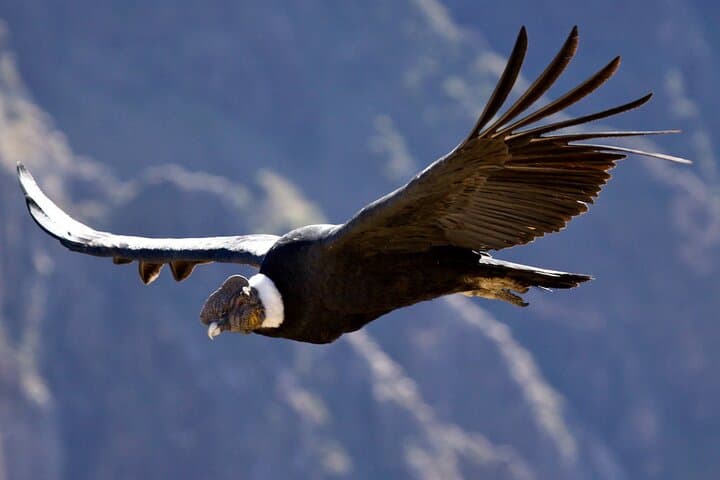
A full-day private tour from Cusco to the Chonta viewpoint offers close-up views of the Andean condor against the dramatic Apurímac Canyon. Expect archaeological stops, a 1.5-hour walk to the Huaco lookout, and prime bird-watching opportunities from high ridgelines.
A full-day private tour from Cusco to the Chonta viewpoint offers close-up views of the Andean condor against the dramatic Apurímac Canyon. Expect archaeological stops, a 1.5-hour walk to the Huaco lookout, and prime bird-watching opportunities from high ridgelines.
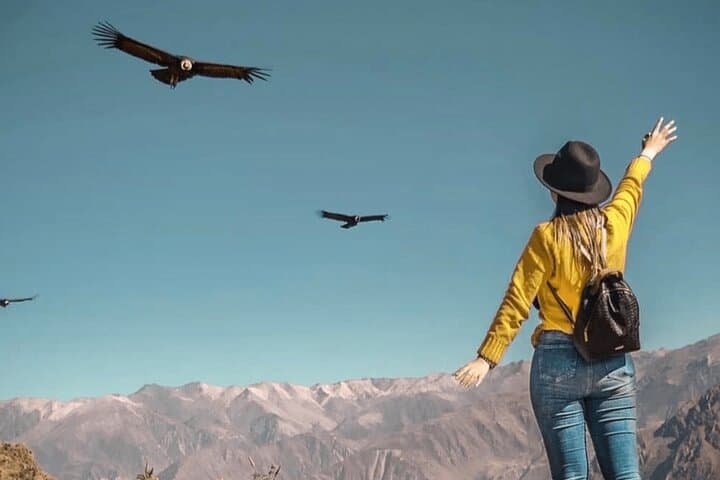
You step out of the minivan into thin, cool air and the canyon opens before you—sheer rock dropping toward a braided Apurímac River while wind currents begin to play. The trail from the Chonta community rises gently along a rim, pine and puna grass brushing your calves, and every ridge seems to call the condors into the thermals.
Verified experiences and guided adventures in the surrounding area.
Operated by FLY CUSCO Perú Travel Agency · Chonta, Cusco
You step out of the minivan into thin, cool air and the canyon opens before you—sheer rock dropping toward a braided Apurímac River while wind currents begin to play. The trail from the Chonta community rises gently along a rim, pine and puna grass brushing your calves, and every ridge seems to call the condors into the thermals.
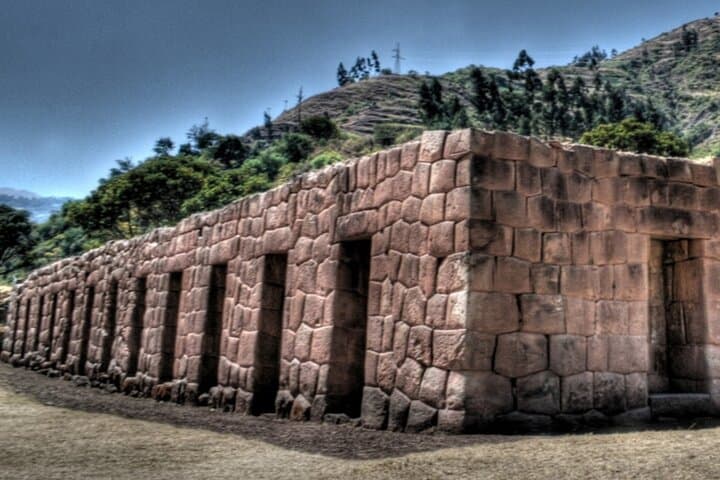
This one-day route threads natural history and pre-Columbian culture: walk past Quillarumiyoc and Tarawasi, small Inca-era sites that echo the region’s long astronomical and ritual use. Geologically, the Apurímac Canyon slices through uplifted Andean strata, exposing terraces, ravines and glacially carved peaks like Salkantay and Humantay visible on the skyline.
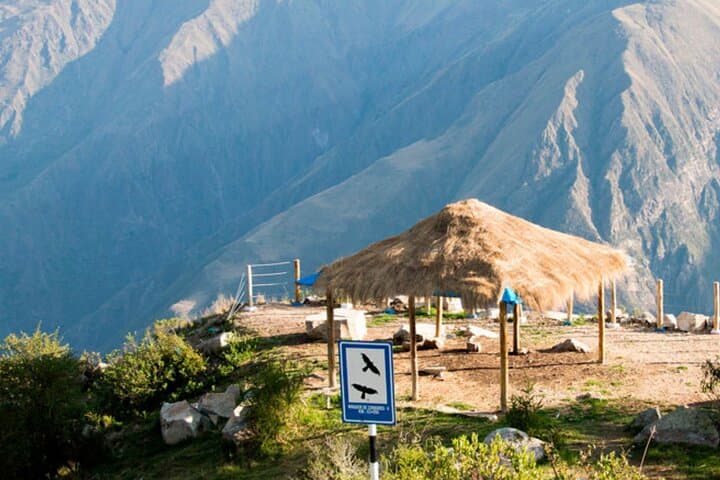
Locals revere the condor as a sacred messenger; at the Huaco viewpoint (≈3,350 m) guides scan the thermals for the bird’s slow, confident wings. Expect a mix of open lookout, short uphill walk (~1.5 hours one-way), and a long transfer to and from Cusco—this is a full-day commitment.
Practical edge: acclimatize in Cusco for 24–48 hours beforehand, bring layered clothing for sun and wind, and carry water and a light lunch (box lunch is provided on many tours). Binoculars and a zoom lens increase your chances to study the condor’s flight; patience and quiet reward you with extended views. Return trips often reach Cusco in the evening, so plan for variable cellphone coverage and steady transport time.
moderate.
14 hours.
Moderate fitness required: you should be comfortable walking 1–2 hours at high altitude and handling a full day of driving.
The walking portion is about 1–1.5 hours one-way on a mostly well-defined path, with short steep sections; total on-foot time is roughly 2–3 hours round trip.
Condors are seasonal and weather-dependent; calm, sunny mornings that produce steady thermals give the best chance—guides increase odds by choosing optimal lookout points.
Moderate fitness is required; children and older travelers can join if comfortable with a short uphill walk and high-altitude conditions, but disclose health concerns when booking.
Most operators include hotel pickup/drop-off, an included box lunch (vegetarian option often available), bottled water and entrance fees as part of the tour.
The areas around Limatambo contain Inca-period sites likely used for astronomical observation; the condor has cultural significance in Andean cosmology.
Avoid off-trail wandering and feeding wildlife; condor populations are sensitive to disturbance and rely on quiet cliffs and clean habitats.
FLY CUSCO Perú Travel Agency operates guided outdoor trips and adventures with an emphasis on safety, stewardship, and memorable experiences.
You step out of the minivan into thin, cool air and the canyon opens before you—sheer rock dropping toward a braided Apurímac River while wind currents begin to play. The trail from the Chonta community rises gently along a rim, pine and puna grass brushing your calves, and every ridge seems to call the condors into the thermals.
You step out of the minivan into thin, cool air and the canyon opens before you—sheer rock dropping toward a braided Apurímac River while wind currents begin to play. The trail from the Chonta community rises gently along a rim, pine and puna grass brushing your calves, and every ridge seems to call the condors into the thermals.
This one-day route threads natural history and pre-Columbian culture: walk past Quillarumiyoc and Tarawasi, small Inca-era sites that echo the region’s long astronomical and ritual use. Geologically, the Apurímac Canyon slices through uplifted Andean strata, exposing terraces, ravines and glacially carved peaks like Salkantay and Humantay visible on the skyline.
Locals revere the condor as a sacred messenger; at the Huaco viewpoint (≈3,350 m) guides scan the thermals for the bird’s slow, confident wings. Expect a mix of open lookout, short uphill walk (~1.5 hours one-way), and a long transfer to and from Cusco—this is a full-day commitment.
Practical edge: acclimatize in Cusco for 24–48 hours beforehand, bring layered clothing for sun and wind, and carry water and a light lunch (box lunch is provided on many tours). Binoculars and a zoom lens increase your chances to study the condor’s flight; patience and quiet reward you with extended views. Return trips often reach Cusco in the evening, so plan for variable cellphone coverage and steady transport time.