THE ADVENTURE COLLECTIVE® · Independent discovery and booking for outdoor travel

Explore Chongqing’s steep streets, wartime history and the fiery flavors of an authentic hot pot on a private day tour. This full-day itinerary combines People’s Hall, Stilwell Museum, Ciqikou and Eling Park with easy logistics and local insight.
Explore Chongqing’s steep streets, wartime history and the fiery flavors of an authentic hot pot on a private day tour. This full-day itinerary combines People’s Hall, Stilwell Museum, Ciqikou and Eling Park with easy logistics and local insight.
Morning light slants between steep streets and rivers in Chongqing, where the city’s ridgelines dictate the pace. On a private day tour you move with purpose: a driver through narrow climbs, a guide who points out the flare of neon across the Yangtze and explains why the city looks like it was carved by water and time.
Verified experiences and guided adventures in the surrounding area.
Operated by happychinatours · Chongqing, Chongqing
Morning light slants between steep streets and rivers in Chongqing, where the city’s ridgelines dictate the pace. On a private day tour you move with purpose: a driver through narrow climbs, a guide who points out the flare of neon across the Yangtze and explains why the city looks like it was carved by water and time.
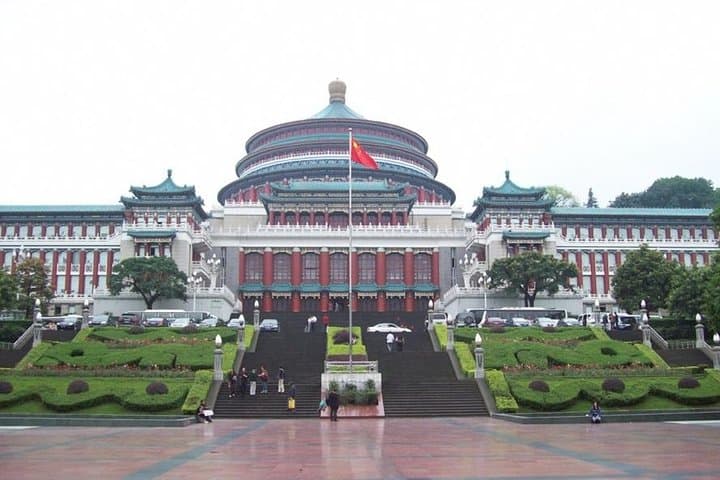
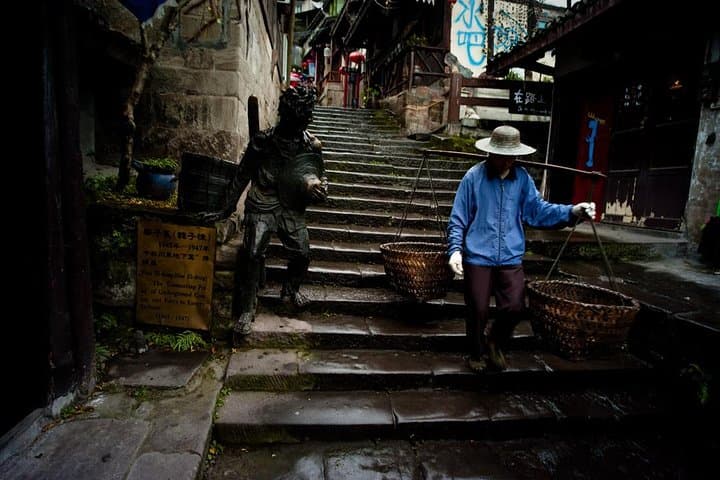
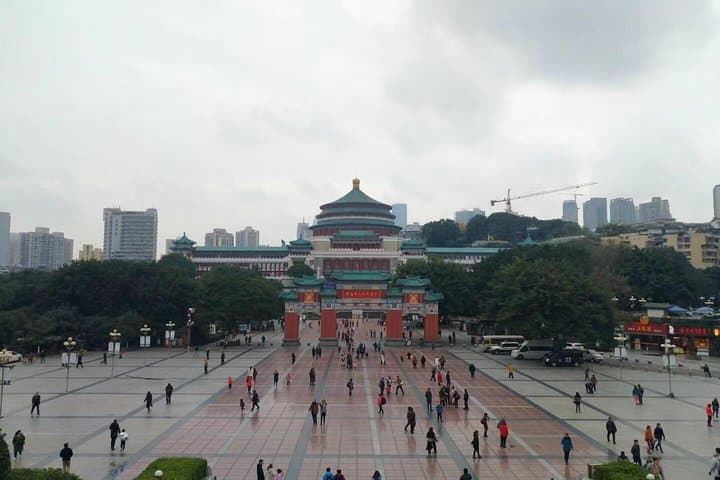
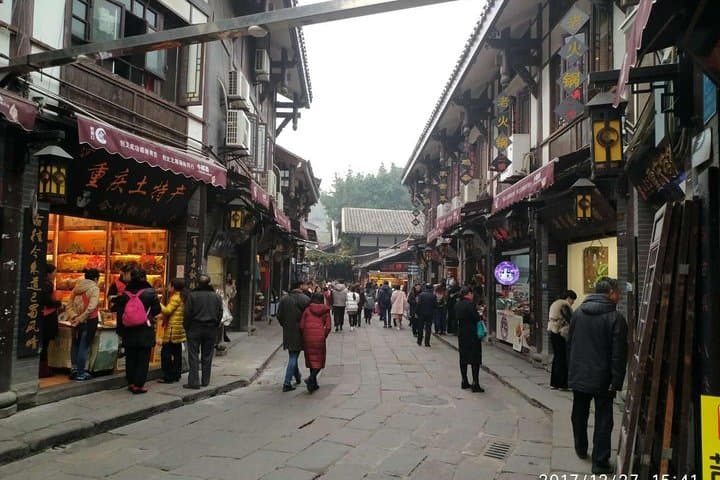
Start at the People’s Hall, an austere 1950s landmark built to mark China’s mid-century shift in power, then step into the Stilwell Museum to touch the wartime layer of Chongqing’s identity—the city served as a provisional wartime capital and saw international logistics and diplomacy unfold here. Ciqikou’s alleys recall ceramic trade and merchant life; the village-turned-neighborhood still smells of street food and kiln dust. Geologically, Chongqing perches on the edge of the Sichuan Basin where limestone hills and river valleys create abrupt elevation changes—expect stair-stepped streets and sudden viewpoints. Eling Park offers a rooftop panorama where the Yangtze dares you to look downstream at the barges and braided channels.
Practical edge: this is an urban walking day with intermittent uphill stretches and several stairways; bring breathable layers, a refillable water bottle, and an appetite for spicy hot pot at lunch. Public transport and hotel pickup make logistics simple, but plan for humidity in summer and occasional rain in spring or fall. The tour blends architecture, wartime history, and living local culture—compact, informative, and paced for travelers who want close-up access to Chongqing’s human and geological contours.
moderate.
8 hours.
Moderate fitness—able to walk several kilometers with short uphill sections and stairs over the day.
Yes — the tour includes round-trip private transfer from your Chongqing hotel, airport, or ferry station as noted.
Guides typically arrange for milder broths or alternative dishes if notified in advance; communicate allergies when booking.
Expect several short walking segments totaling a few kilometers, including stairways and uneven pavements—moderate mobility is required.
The tour lists entrance tickets as included in the itinerary for the People’s Hall and Stilwell Museum.
Chongqing served as China’s wartime provisional capital during the Second World War, and the Stilwell Museum preserves that diplomatic and military history.
Rapid urban growth pressures river habitats and air quality; support local businesses, avoid single-use plastics, and stick to marked paths.
happychinatours operates guided outdoor trips and adventures with an emphasis on safety, stewardship, and memorable experiences.
Morning light slants between steep streets and rivers in Chongqing, where the city’s ridgelines dictate the pace. On a private day tour you move with purpose: a driver through narrow climbs, a guide who points out the flare of neon across the Yangtze and explains why the city looks like it was carved by water and time.
Morning light slants between steep streets and rivers in Chongqing, where the city’s ridgelines dictate the pace. On a private day tour you move with purpose: a driver through narrow climbs, a guide who points out the flare of neon across the Yangtze and explains why the city looks like it was carved by water and time.
Start at the People’s Hall, an austere 1950s landmark built to mark China’s mid-century shift in power, then step into the Stilwell Museum to touch the wartime layer of Chongqing’s identity—the city served as a provisional wartime capital and saw international logistics and diplomacy unfold here. Ciqikou’s alleys recall ceramic trade and merchant life; the village-turned-neighborhood still smells of street food and kiln dust. Geologically, Chongqing perches on the edge of the Sichuan Basin where limestone hills and river valleys create abrupt elevation changes—expect stair-stepped streets and sudden viewpoints. Eling Park offers a rooftop panorama where the Yangtze dares you to look downstream at the barges and braided channels.
Practical edge: this is an urban walking day with intermittent uphill stretches and several stairways; bring breathable layers, a refillable water bottle, and an appetite for spicy hot pot at lunch. Public transport and hotel pickup make logistics simple, but plan for humidity in summer and occasional rain in spring or fall. The tour blends architecture, wartime history, and living local culture—compact, informative, and paced for travelers who want close-up access to Chongqing’s human and geological contours.