THE ADVENTURE COLLECTIVE® · Independent discovery and booking for outdoor travel

Spend ten curated hours exploring Chongqing’s steep streets, river cableway views and night-lit stilt houses with a private guide. This customizable tour pairs urban history, local food and unique transport moments like the Liziba light rail.
Spend ten curated hours exploring Chongqing’s steep streets, river cableway views and night-lit stilt houses with a private guide. This customizable tour pairs urban history, local food and unique transport moments like the Liziba light rail.
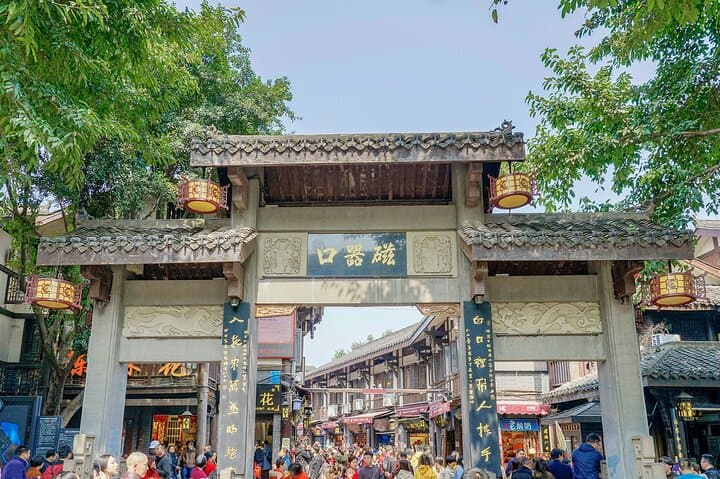
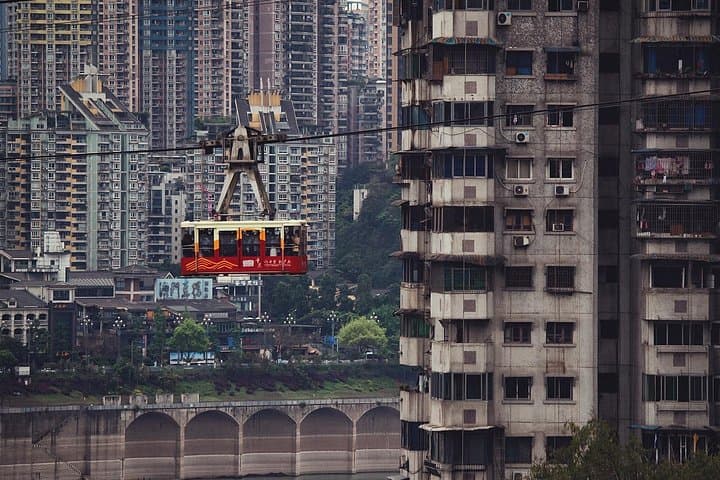
You step out of the vehicle and the city presses in: steep lanes, layered rooftops, and the Yangtze glinting below. A private guide leads you through narrow alleys where steam rises from street-food stalls and neon begins its slow takeover of the skyline. By late afternoon the cableway crosses the river, the city unfolding in terraces that slope toward water and light.
Verified experiences and guided adventures in the surrounding area.
Operated by Manjing Travel · Chongqing, Chongqing
You step out of the vehicle and the city presses in: steep lanes, layered rooftops, and the Yangtze glinting below. A private guide leads you through narrow alleys where steam rises from street-food stalls and neon begins its slow takeover of the skyline. By late afternoon the cableway crosses the river, the city unfolding in terraces that slope toward water and light.
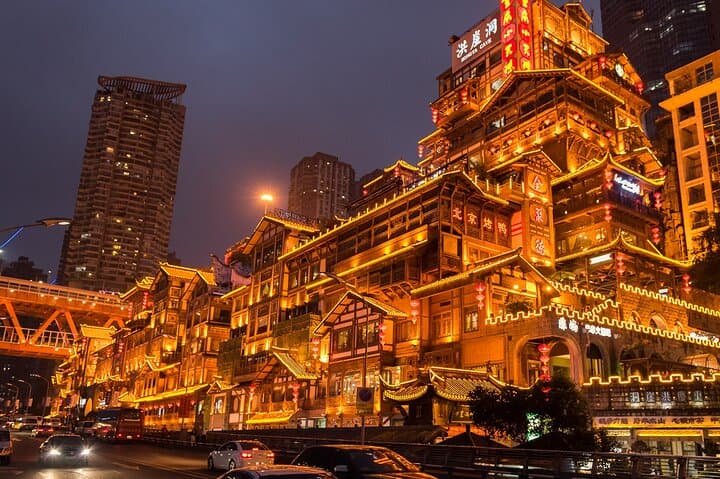
Chongqing’s identity is shaped by geography and history. Built across steep river valleys where the Yangtze and Jialing meet, the “mountain city” grew as a wartime inland capital and an industrial hub—its compact, vertical neighborhoods reflect that compressed growth. Stone, concrete and clipped hillsides are the city’s geology; stilt houses (Hongyadong) and rail lines threaded through buildings speak to practical improvisation over generations.
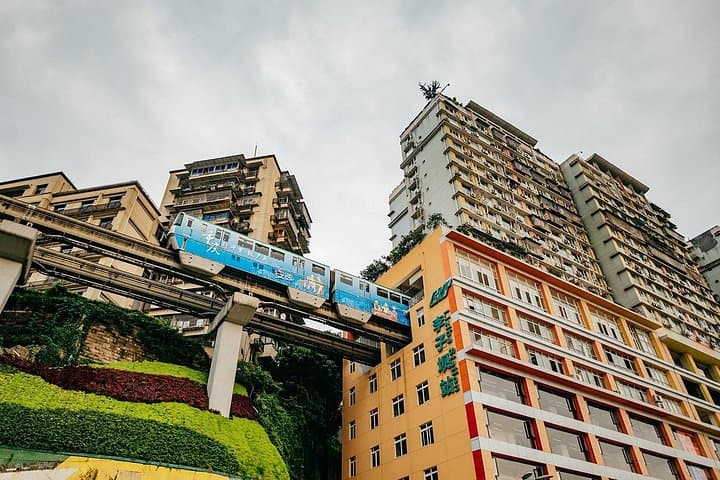
Cultural touchstones include teahouses in preserved lanes, the monasteries like Luohan Temple, and modern curiosities such as the Liziba Light Rail station where trains pass through a high-rise. On a private 10-hour tour you set the pace: morning markets and temples, a cable car over the Yangtze, lunch with regional hot pot or riverside snacks, then sunset photos of illuminated stilt houses. Guides can add an evening performance like Chongqing 1949.
Practical notes: expect lots of stairs and uneven pavement, urban crowds at key sights, and variable air quality—plan for frequent water, a comfortable midsole shoe, and flexible timing. The tour includes hotel pickup, bottled water and lunch; bring cash for street vendors and wear layers for changing temperatures through the day.
easy.
10 hours.
Suitable for most travelers with light to moderate walking ability; expect many stairs and short uphill sections.
Yes—this private tour includes hotel pickup and drop-off within central Chongqing; confirm your pickup address at booking.
Yes—the tour is built around your interests and pace; popular stops include Luohan Temple, Shibati, the cableway and Hongyadong.
Children are welcome and infant seats can be provided; children must be accompanied by an adult.
The city’s steep streets and many steps make some sites difficult for travelers with spinal or severe mobility issues; the tour provider flags it as not recommended for those with serious heart or spinal conditions and for pregnant travelers.
Chongqing served as China’s provisional wartime capital during World War II; rapid industrial growth and constrained topography shaped its vertical neighborhoods.
Air quality and river health vary—choose daytime outdoor stops on clearer days, minimize single-use plastics, and follow local guidance when visiting sensitive riverside areas.
Manjing Travel operates guided outdoor trips and adventures with an emphasis on safety, stewardship, and memorable experiences.
You step out of the vehicle and the city presses in: steep lanes, layered rooftops, and the Yangtze glinting below. A private guide leads you through narrow alleys where steam rises from street-food stalls and neon begins its slow takeover of the skyline. By late afternoon the cableway crosses the river, the city unfolding in terraces that slope toward water and light.
You step out of the vehicle and the city presses in: steep lanes, layered rooftops, and the Yangtze glinting below. A private guide leads you through narrow alleys where steam rises from street-food stalls and neon begins its slow takeover of the skyline. By late afternoon the cableway crosses the river, the city unfolding in terraces that slope toward water and light.
Chongqing’s identity is shaped by geography and history. Built across steep river valleys where the Yangtze and Jialing meet, the “mountain city” grew as a wartime inland capital and an industrial hub—its compact, vertical neighborhoods reflect that compressed growth. Stone, concrete and clipped hillsides are the city’s geology; stilt houses (Hongyadong) and rail lines threaded through buildings speak to practical improvisation over generations.
Cultural touchstones include teahouses in preserved lanes, the monasteries like Luohan Temple, and modern curiosities such as the Liziba Light Rail station where trains pass through a high-rise. On a private 10-hour tour you set the pace: morning markets and temples, a cable car over the Yangtze, lunch with regional hot pot or riverside snacks, then sunset photos of illuminated stilt houses. Guides can add an evening performance like Chongqing 1949.
Practical notes: expect lots of stairs and uneven pavement, urban crowds at key sights, and variable air quality—plan for frequent water, a comfortable midsole shoe, and flexible timing. The tour includes hotel pickup, bottled water and lunch; bring cash for street vendors and wear layers for changing temperatures through the day.