THE ADVENTURE COLLECTIVE® · Independent discovery and booking for outdoor travel

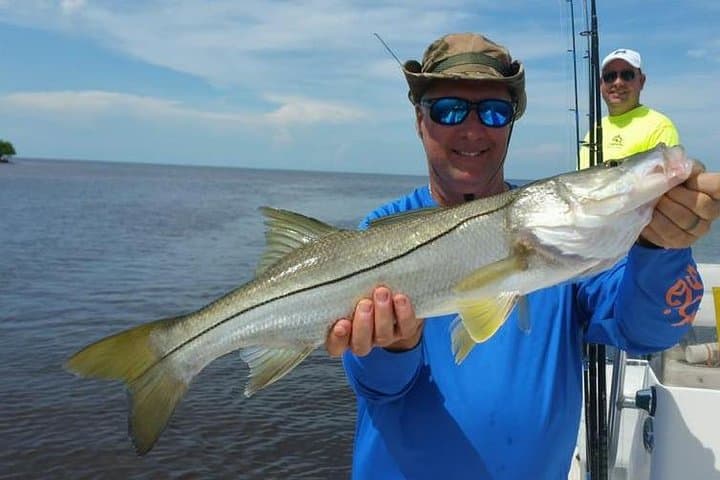
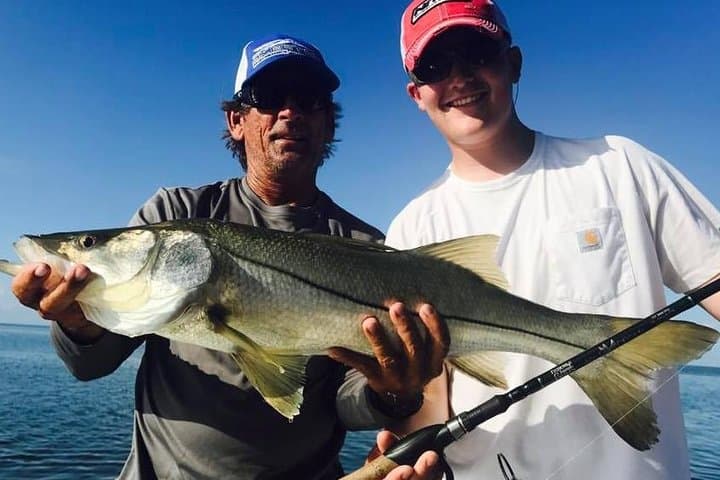
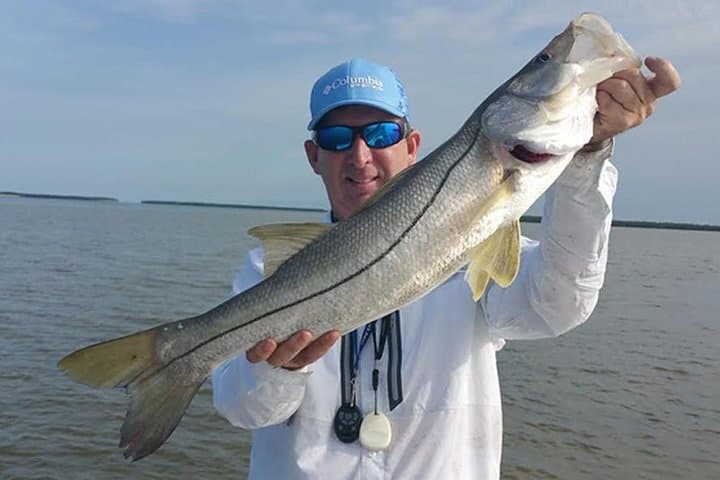
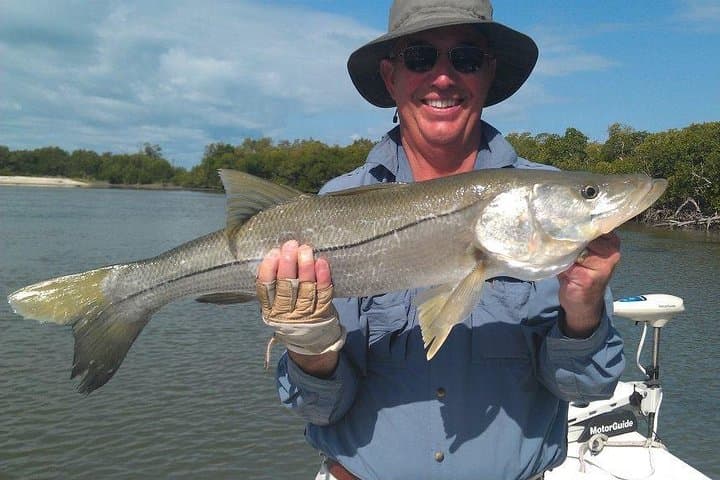
Slip from the marina into a maze of mangrove-lined creeks and glassy flats on a private inshore fishing charter from Chokoloskee. Expect sight-fishing for redfish, snook, and trout amid the Ten Thousand Islands’ unique estuarine landscape.
Slip from the marina into a maze of mangrove-lined creeks and glassy flats on a private inshore fishing charter from Chokoloskee. Expect sight-fishing for redfish, snook, and trout amid the Ten Thousand Islands’ unique estuarine landscape.
You step off the dock and the water answers—shallow, glassy, threaded with mangrove roots and eelgrass that hush the engine. The captain eases the skiff into a map of channels that only reveal themselves at low speed: shifting sandbars, oyster bars shining like coins, and the wide, crooked mouths of creeks that run to the Gulf. In Chokoloskee, on the south edge of Florida’s Everglades, fishing feels less like sport and more like navigation through a living atlas.
Verified experiences and guided adventures in the surrounding area.
Operated by iOutdoor Fishing Adventures · Chokoloskee, FL
You step off the dock and the water answers—shallow, glassy, threaded with mangrove roots and eelgrass that hush the engine. The captain eases the skiff into a map of channels that only reveal themselves at low speed: shifting sandbars, oyster bars shining like coins, and the wide, crooked mouths of creeks that run to the Gulf. In Chokoloskee, on the south edge of Florida’s Everglades, fishing feels less like sport and more like navigation through a living atlas.
The Ten Thousand Islands are the product of time and tide. Over millennia, rising seas and eroding limestone sculpted a peppering of mangrove islets and tidal flats. Indigenous Calusa people once moved through these waters in dugout canoes; later, trappers and shrimpers carved a rugged culture around the estuaries. Today the landscape is managed as part of the greater Everglades ecosystem—an estuarine complex where salt, fresh, and life meet.
On a private inshore charter from Chokoloskee, the itinerary is as flexible as the tide. Captains read the water, not a clock: you'll fan along the outer flats, glass for tailing redfish in skinny water, pitch soft plastics into dock shadow for snook, or troll the deeper cuts for trout. The biology is simple and productive—seagrass beds feed baitfish; baitfish feed predators. Even in summer heat or blustery afternoons, the fish stay predictable if you know where to look.
Practical notes matter. Book a 4- or 8-hour trip (the operator offers both) and arrive early to beat the midday sun and afternoon winds that can push you offshore. The charter provides fishing licenses, rods, bait, and bottled water, and the marina has restrooms and limited parking. Wear breathable long sleeves, polarized sunglasses for sight-fishing, and non-slip shoes. If you want photos, pack a waterproof camera or use a dry bag—salt and spray are constant companions.
Timing is everything: spring brings migratory species and clean water after winter, summer pumps up bait abundance (and mosquitoes), fall tightens tides and concentrates fish, and winter cool fronts can produce frantic feeding around warm-water outflows. Respect the habitat—avoid running across seagrass beds, pack out trash, and follow catch regulations. The operator notes accessibility for most fitness levels and can accommodate families and anglers of all experience levels.
Whether you come chasing a bucket-list redfish or simply to drift through an otherworldly maze of mangroves, a private charter out of Chokoloskee is equal parts lesson and thrill. The water will test you, reward you, and—if you let it—teach you how to move quietly through a coastline that still remembers how to surprise.
easy.
4–8 hours.
Suitable for most fitness levels; you’ll be standing for casts and moving around the skiff occasionally.
No—this charter provides required Florida fishing licenses for guests as part of the trip.
Common targets include redfish, spotted sea trout, snook, and various snapper around structure and flats.
Yes—this private charter accommodates families and anglers of all experience levels; captains will coach casting and hooking techniques.
The marina offers local bathroom facilities and limited parking for customers; arrive early to secure a spot.
Trips run in most conditions but are subject to cancellation for severe weather or unsafe seas; you’ll be offered a re-booking or refund if canceled.
You can bring your gear, but all fishing and safety equipment and bait are provided by the charter for convenience.
The Ten Thousand Islands area was long used by the Calusa and later by settlers who harvested shellfish and fished these sheltered waters; Everglades conservation reshaped local livelihoods in the 20th century.
The region’s seagrass and mangrove habitats are fragile—stick to marked channels, avoid driving over flats, and follow catch-and-release guidelines when advised.
iOutdoor Fishing Adventures operates guided outdoor trips and adventures with an emphasis on safety, stewardship, and memorable experiences.
You step off the dock and the water answers—shallow, glassy, threaded with mangrove roots and eelgrass that hush the engine. The captain eases the skiff into a map of channels that only reveal themselves at low speed: shifting sandbars, oyster bars shining like coins, and the wide, crooked mouths of creeks that run to the Gulf. In Chokoloskee, on the south edge of Florida’s Everglades, fishing feels less like sport and more like navigation through a living atlas.
You step off the dock and the water answers—shallow, glassy, threaded with mangrove roots and eelgrass that hush the engine. The captain eases the skiff into a map of channels that only reveal themselves at low speed: shifting sandbars, oyster bars shining like coins, and the wide, crooked mouths of creeks that run to the Gulf. In Chokoloskee, on the south edge of Florida’s Everglades, fishing feels less like sport and more like navigation through a living atlas.
The Ten Thousand Islands are the product of time and tide. Over millennia, rising seas and eroding limestone sculpted a peppering of mangrove islets and tidal flats. Indigenous Calusa people once moved through these waters in dugout canoes; later, trappers and shrimpers carved a rugged culture around the estuaries. Today the landscape is managed as part of the greater Everglades ecosystem—an estuarine complex where salt, fresh, and life meet.
On a private inshore charter from Chokoloskee, the itinerary is as flexible as the tide. Captains read the water, not a clock: you'll fan along the outer flats, glass for tailing redfish in skinny water, pitch soft plastics into dock shadow for snook, or troll the deeper cuts for trout. The biology is simple and productive—seagrass beds feed baitfish; baitfish feed predators. Even in summer heat or blustery afternoons, the fish stay predictable if you know where to look.
Practical notes matter. Book a 4- or 8-hour trip (the operator offers both) and arrive early to beat the midday sun and afternoon winds that can push you offshore. The charter provides fishing licenses, rods, bait, and bottled water, and the marina has restrooms and limited parking. Wear breathable long sleeves, polarized sunglasses for sight-fishing, and non-slip shoes. If you want photos, pack a waterproof camera or use a dry bag—salt and spray are constant companions.
Timing is everything: spring brings migratory species and clean water after winter, summer pumps up bait abundance (and mosquitoes), fall tightens tides and concentrates fish, and winter cool fronts can produce frantic feeding around warm-water outflows. Respect the habitat—avoid running across seagrass beds, pack out trash, and follow catch regulations. The operator notes accessibility for most fitness levels and can accommodate families and anglers of all experience levels.
Whether you come chasing a bucket-list redfish or simply to drift through an otherworldly maze of mangroves, a private charter out of Chokoloskee is equal parts lesson and thrill. The water will test you, reward you, and—if you let it—teach you how to move quietly through a coastline that still remembers how to surprise.