THE ADVENTURE COLLECTIVE® · Independent discovery and booking for outdoor travel

A six-day, private traverse from Chogoria to Sirimon leads to the sunrise summit of Point Lenana. Expect montane forests, alpine lakes, serviced campsites and a demanding final push through scree.
A six-day, private traverse from Chogoria to Sirimon leads to the sunrise summit of Point Lenana. Expect montane forests, alpine lakes, serviced campsites and a demanding final push through scree.
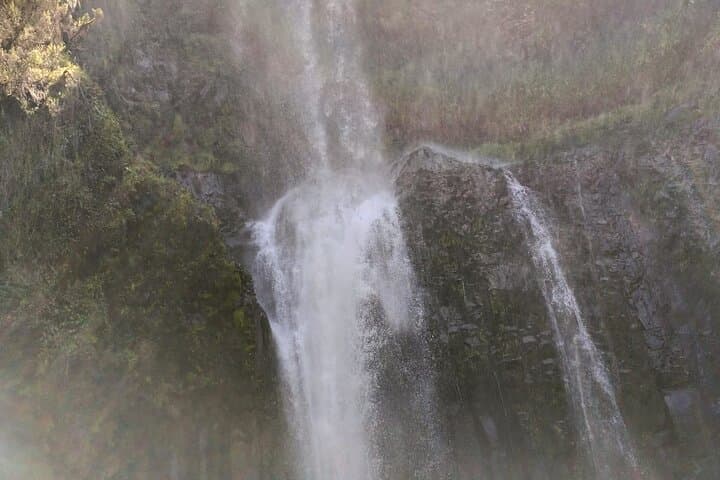
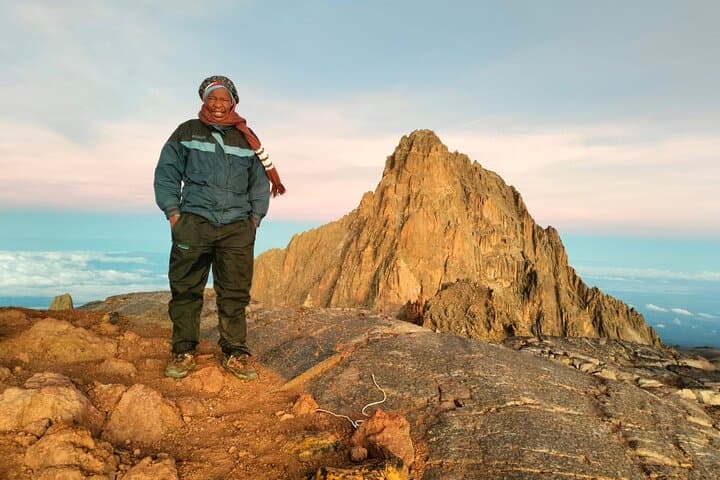
Pre-dawn on Day 5, you push through a cold, star-bright corridor of scree toward Point Lenana, each step a negotiation with altitude and icy wind. Earlier days sift you through mossy montane forest, across the glassy surface of Lake Ellis, and past the thunder of Nithi Falls — the landscape changing from dense greenery to alpine heath as you climb.
Verified experiences and guided adventures in the surrounding area.
Operated by Dunstun Hikes · Nanyuki, Laikipia County
Pre-dawn on Day 5, you push through a cold, star-bright corridor of scree toward Point Lenana, each step a negotiation with altitude and icy wind. Earlier days sift you through mossy montane forest, across the glassy surface of Lake Ellis, and past the thunder of Nithi Falls — the landscape changing from dense greenery to alpine heath as you climb.
Mount Kenya is an eroded stratovolcano whose jagged summits — Batian, Nelion and Lenana — record volcanic activity from millions of years ago and host remnants of equatorial glaciers. The Chogoria–Sirimon traverse threads cultural waypoints too: Chirping villages, local guides fluent in Kikuyu and Swahili, and pastoral highlands where the mountain is both lifeline and legend.
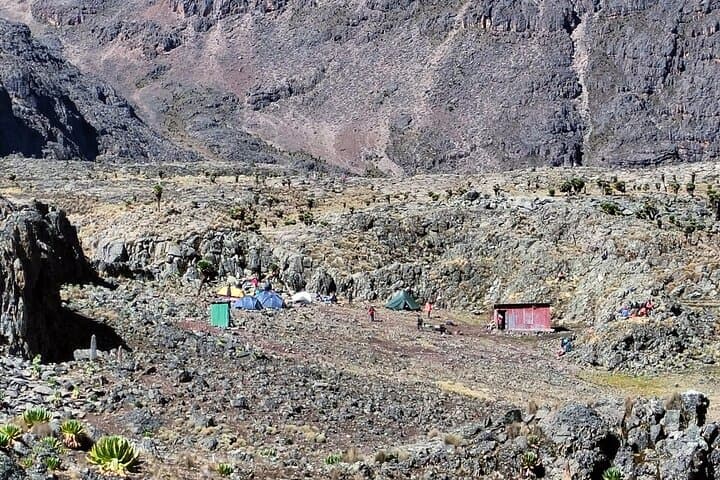
Practically, expect full days of walking (3–6 hours most days, an alpine summit push at night), camping at Michaelson and Simba Col, and serviced meals prepared by crew. The route requires permits from Kenya Wildlife Service and experienced guides familiar with high-altitude pacing. Terrain varies — packed dirt, boggy moorland, rocky ridgelines and steep scree on the final ascent — so stable boots, layered insulation and poles make the climb manageable.
Plan for altitude: acclimatize on day one, hydrate constantly, and set a slow summit rhythm. Weather can flip from bright sun to sleet within hours; schedule summit attempts for early morning for calmer winds and sunrise panoramas. The trek rewards persistent hikers with raw mountain views, quiet alpine lakes, and a clear sense of place on Kenya’s highest slopes.
challenging.
6 days (approx. 30–40 hours of hiking total).
Good cardiovascular fitness with experience on multi-day hikes and comfortable carrying a daypack; prior high-altitude exposure recommended.
Yes — Kenya Wildlife Service park entry permits are required and are typically arranged by the operator before departure.
The summit day is steep and starts very early; expect a 4–6 hour ascent on loose scree and cold conditions — moderate technical ability but high endurance required.
The clearest weather is usually in the dry seasons: January–February and July–October, which offer better summit visibility and firmer trails.
Fit beginners with prior multi-day hike experience can join, but you should train for altitude and sustained uphill walking; the operator rates it as moderate to challenging.
Mount Kenya is Kenya’s highest massif and an ancient volcanic complex; it holds cultural significance for local Kikuyu communities and was designated a national park in 1949.
Mount Kenya National Park is managed by Kenya Wildlife Service; stay on trails, pack out waste, and avoid disturbing fragile alpine moorland to protect endemic flora.
Dunstun Hikes operates guided outdoor trips and adventures with an emphasis on safety, stewardship, and memorable experiences.

Pre-dawn on Day 5, you push through a cold, star-bright corridor of scree toward Point Lenana, each step a negotiation with altitude and icy wind. Earlier days sift you through mossy montane forest, across the glassy surface of Lake Ellis, and past the thunder of Nithi Falls — the landscape changing from dense greenery to alpine heath as you climb.
Pre-dawn on Day 5, you push through a cold, star-bright corridor of scree toward Point Lenana, each step a negotiation with altitude and icy wind. Earlier days sift you through mossy montane forest, across the glassy surface of Lake Ellis, and past the thunder of Nithi Falls — the landscape changing from dense greenery to alpine heath as you climb.
Mount Kenya is an eroded stratovolcano whose jagged summits — Batian, Nelion and Lenana — record volcanic activity from millions of years ago and host remnants of equatorial glaciers. The Chogoria–Sirimon traverse threads cultural waypoints too: Chirping villages, local guides fluent in Kikuyu and Swahili, and pastoral highlands where the mountain is both lifeline and legend.
Practically, expect full days of walking (3–6 hours most days, an alpine summit push at night), camping at Michaelson and Simba Col, and serviced meals prepared by crew. The route requires permits from Kenya Wildlife Service and experienced guides familiar with high-altitude pacing. Terrain varies — packed dirt, boggy moorland, rocky ridgelines and steep scree on the final ascent — so stable boots, layered insulation and poles make the climb manageable.
Plan for altitude: acclimatize on day one, hydrate constantly, and set a slow summit rhythm. Weather can flip from bright sun to sleet within hours; schedule summit attempts for early morning for calmer winds and sunrise panoramas. The trek rewards persistent hikers with raw mountain views, quiet alpine lakes, and a clear sense of place on Kenya’s highest slopes.