THE ADVENTURE COLLECTIVE® · Independent discovery and booking for outdoor travel

Walk through Central Pacific cacao plantings and taste chocolate at multiple stages of production. This short, guided experience blends agriculture, history and tasting—ideal for curious travelers based in Jaco or Los Sueños.
Walk through Central Pacific cacao plantings and taste chocolate at multiple stages of production. This short, guided experience blends agriculture, history and tasting—ideal for curious travelers based in Jaco or Los Sueños.
The path opens under a warm Pacific sky: broad-leaved cacao trees line a shaded walk, pods the color of autumn fruit dangling at chest height. Participants move slowly, fingers brushing the waxy leaves, while the scent of fermenting beans and tropical flowers lingers on the air. This is a hands-on two-hour introduction to cacao in the Central Pacific — equal parts farm visit, tasting and cultural primer.
Verified experiences and guided adventures in the surrounding area.
Operated by Vista Los Suenos Adventure Park · Jaco, Puntarenas
The path opens under a warm Pacific sky: broad-leaved cacao trees line a shaded walk, pods the color of autumn fruit dangling at chest height. Participants move slowly, fingers brushing the waxy leaves, while the scent of fermenting beans and tropical flowers lingers on the air. This is a hands-on two-hour introduction to cacao in the Central Pacific — equal parts farm visit, tasting and cultural primer.
Cacao has deep roots in pre-Columbian Central America and later became a cash crop shaped by colonial trade and modern specialty markets. The Central Pacific’s lowland soils and steady rainfall favor diverse cocoa varieties; on a short walk visitors can see propagation beds, fermentation boxes and drying racks — each step exposing a stage in chocolate’s transformation from fruit to bar. Locally, small producers blend traditional techniques with boutique approaches, offering hot chocolate, single-origin samples and chocolate-drizzled tropical fruit.
Expect a relaxed guided tour with multiple tastings: raw cacao nibs, hot chocolate, and finished confections. Guides explain fermentation, drying and basic roasting, and answer questions about sourcing, fair trade, and small-batch production. Practical notes: the route is mostly flat but can be muddy after rain; light shelter is available and tastings are included. Photographs are welcomed, and small purchases of bars or spreads are common at the end of the visit.
Plan for sun protection, a refillable water bottle, and comfortable closed-toe shoes. The experience suits curious travelers and food lovers who want a short, informative outdoor activity near Jaco and Los Sueños.
easy.
2 hours.
Suitable for most adults and older children; involves short, mostly flat walking with brief standing during tastings.
Yes—children can usually join; the tour is short and educational, though parents should supervise tastings and note that some samples may contain dairy or nuts.
Guides commonly speak Spanish and may offer English; check booking details or request language needs in advance.
Yes—most experiences include a small shop with bars, spreads and souvenirs from the producer or local partners.
Some operators list meeting points in Jaco or Los Sueños; private transfers are not always included—confirm pickup options when booking.
Cacao in Central America dates to pre-Columbian times and later became integrated into colonial trade; today specialty cacao reclaiming traditional varieties supports local smallholders.
Many producers emphasize sustainable practices—shade-grown cacao preserves canopy cover and biodiversity; visitors should avoid leaving waste and support responsible vendors.
Vista Los Suenos Adventure Park operates guided outdoor trips and adventures with an emphasis on safety, stewardship, and memorable experiences.
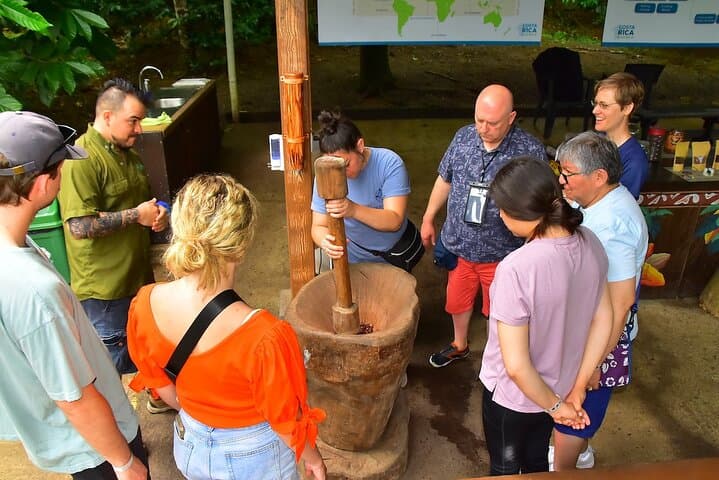
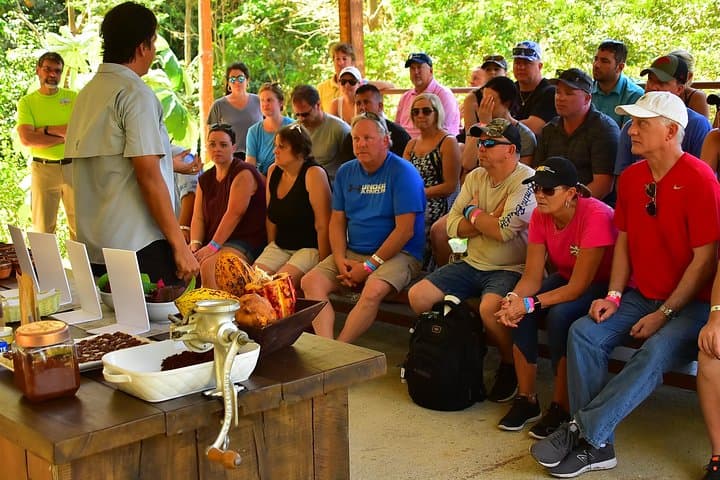
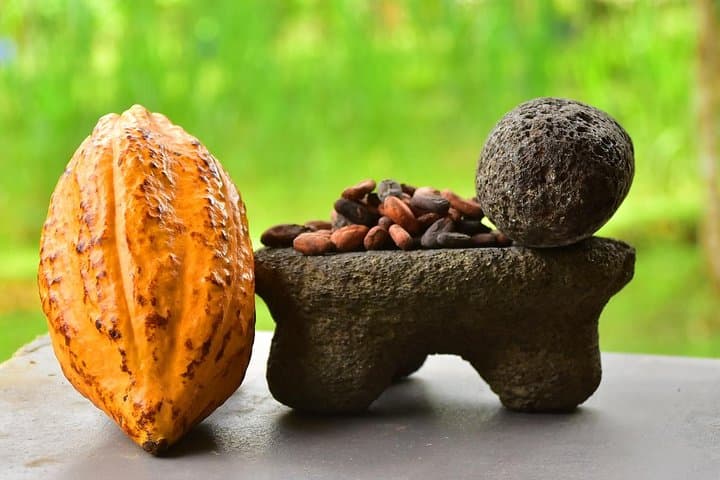
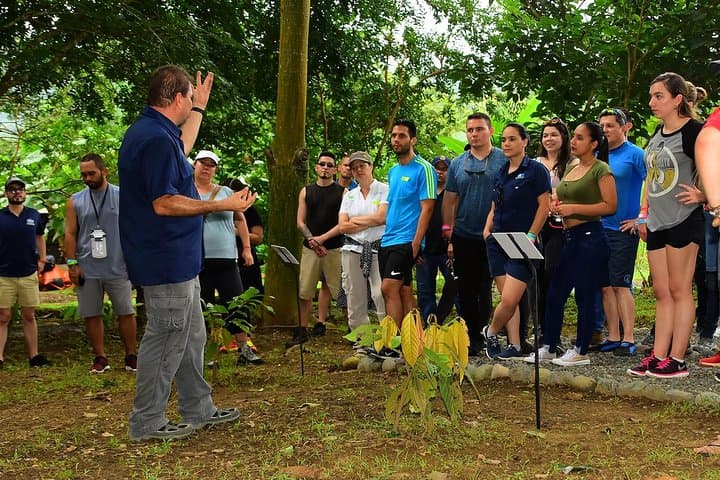
The path opens under a warm Pacific sky: broad-leaved cacao trees line a shaded walk, pods the color of autumn fruit dangling at chest height. Participants move slowly, fingers brushing the waxy leaves, while the scent of fermenting beans and tropical flowers lingers on the air. This is a hands-on two-hour introduction to cacao in the Central Pacific — equal parts farm visit, tasting and cultural primer.
The path opens under a warm Pacific sky: broad-leaved cacao trees line a shaded walk, pods the color of autumn fruit dangling at chest height. Participants move slowly, fingers brushing the waxy leaves, while the scent of fermenting beans and tropical flowers lingers on the air. This is a hands-on two-hour introduction to cacao in the Central Pacific — equal parts farm visit, tasting and cultural primer.
Cacao has deep roots in pre-Columbian Central America and later became a cash crop shaped by colonial trade and modern specialty markets. The Central Pacific’s lowland soils and steady rainfall favor diverse cocoa varieties; on a short walk visitors can see propagation beds, fermentation boxes and drying racks — each step exposing a stage in chocolate’s transformation from fruit to bar. Locally, small producers blend traditional techniques with boutique approaches, offering hot chocolate, single-origin samples and chocolate-drizzled tropical fruit.
Expect a relaxed guided tour with multiple tastings: raw cacao nibs, hot chocolate, and finished confections. Guides explain fermentation, drying and basic roasting, and answer questions about sourcing, fair trade, and small-batch production. Practical notes: the route is mostly flat but can be muddy after rain; light shelter is available and tastings are included. Photographs are welcomed, and small purchases of bars or spreads are common at the end of the visit.
Plan for sun protection, a refillable water bottle, and comfortable closed-toe shoes. The experience suits curious travelers and food lovers who want a short, informative outdoor activity near Jaco and Los Sueños.