THE ADVENTURE COLLECTIVE® · Independent discovery and booking for outdoor travel

A two-hour hands-on introduction to cacao, coffee and traditional trapiche sugar processing in a private jungle preserve just outside Manuel Antonio. Taste fresh chocolate, learn café chorreado and try handmade cane sweets while watching for wildlife.
A two-hour hands-on introduction to cacao, coffee and traditional trapiche sugar processing in a private jungle preserve just outside Manuel Antonio. Taste fresh chocolate, learn café chorreado and try handmade cane sweets while watching for wildlife.
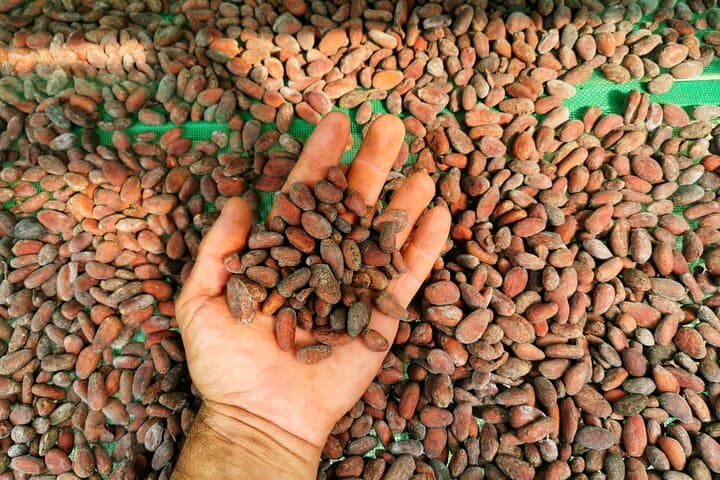
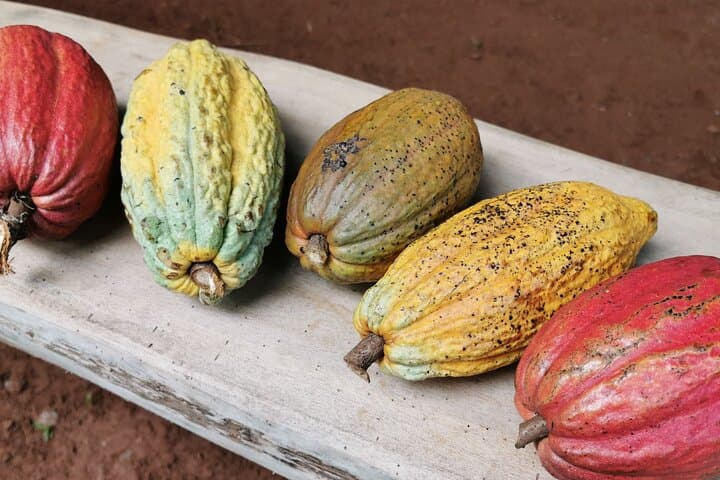
You step off the coastal road and into a private patch of Pacific lowland rainforest, fifteen minutes from Manuel Antonio’s beaches. Humid air tugs at your shirt, the canopy closes above and distant bird calls punctuate the soft crunch of leaf litter beneath easy footpaths. The guide waits by a small cacao plot; beans, still pod-bright, sit like decisions in a farmer’s hand.
Verified experiences and guided adventures in the surrounding area.
Operated by Chocolate Tour Manuel Antonio · Manuel Antonio, Puntarenas
You step off the coastal road and into a private patch of Pacific lowland rainforest, fifteen minutes from Manuel Antonio’s beaches. Humid air tugs at your shirt, the canopy closes above and distant bird calls punctuate the soft crunch of leaf litter beneath easy footpaths. The guide waits by a small cacao plot; beans, still pod-bright, sit like decisions in a farmer’s hand.
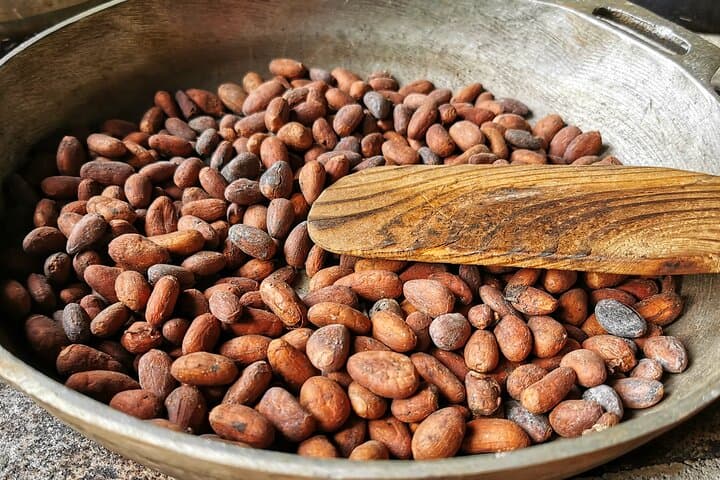
The program threads three local traditions together. First, cacao—its Mesoamerican origins and the fermentation-to-tempering sequence that turns bitter seed into chocolate. The tour demonstrates collecting, fermenting, drying and grinding, ending in tastings of fresh chocolate and cocoa nibs. Next is coffee: a concise history of coffee in Costa Rica and a demonstration of café chorreado, the slow, cloth-filter method that shaped rural routines. Finally the trapiche introduces sugar-cane processing—fresh juice pressed and boiled into dulce, sobado and espumas, simple confections that speak to plantation-era techniques.
Geologically the site sits on volcanic soils of the central Pacific slope; fertile, well-draining ground that favors both cacao and coffee. Culturally the visit frames smallholder practices rather than industrial production, and the private reserve often hosts sloths, white-faced capuchins and toucans along the trails.
Practical notes: the tour is two hours with light walking on fenced paths, suitable for most fitness levels and self-drivers (no lunch provided). Wear closed-toe shoes, bring water and insect repellent, and plan for sun or a quick tropical shower—showers can start and stop like the forest trying on a new outfit. Photography is welcome; purchases of chocolate and local sweets support the farm and guides.
easy.
2 hours.
Light walking on maintained paths; suitable for most fitness levels including families with children.
The tour is led by a guide who explains cacao, coffee and trapiche processes; guests arrive by car (self-drivers) and join the scheduled guided visit.
Yes—paths are stroller-accessible and the program is family-friendly, though supervision is recommended around processing equipment and hot liquids.
Wildlife sightings are common—sloths, monkeys and a variety of birds are regularly seen on the reserve’s trails, but sightings cannot be guaranteed.
Yes—guests can buy chocolate samples, packaged coffee and traditional trapiche sweets produced on the farm.
Cacao and coffee have long shaped Costa Rica’s rural economy; small farms on the central Pacific slope maintained mixed cultivation systems adapted to volcanic soils.
The preserve operates on low-impact, educational visits—sampling fees and purchases directly support local production and habitat maintenance.
Chocolate Tour Manuel Antonio operates guided outdoor trips and adventures with an emphasis on safety, stewardship, and memorable experiences.
You step off the coastal road and into a private patch of Pacific lowland rainforest, fifteen minutes from Manuel Antonio’s beaches. Humid air tugs at your shirt, the canopy closes above and distant bird calls punctuate the soft crunch of leaf litter beneath easy footpaths. The guide waits by a small cacao plot; beans, still pod-bright, sit like decisions in a farmer’s hand.
You step off the coastal road and into a private patch of Pacific lowland rainforest, fifteen minutes from Manuel Antonio’s beaches. Humid air tugs at your shirt, the canopy closes above and distant bird calls punctuate the soft crunch of leaf litter beneath easy footpaths. The guide waits by a small cacao plot; beans, still pod-bright, sit like decisions in a farmer’s hand.
The program threads three local traditions together. First, cacao—its Mesoamerican origins and the fermentation-to-tempering sequence that turns bitter seed into chocolate. The tour demonstrates collecting, fermenting, drying and grinding, ending in tastings of fresh chocolate and cocoa nibs. Next is coffee: a concise history of coffee in Costa Rica and a demonstration of café chorreado, the slow, cloth-filter method that shaped rural routines. Finally the trapiche introduces sugar-cane processing—fresh juice pressed and boiled into dulce, sobado and espumas, simple confections that speak to plantation-era techniques.
Geologically the site sits on volcanic soils of the central Pacific slope; fertile, well-draining ground that favors both cacao and coffee. Culturally the visit frames smallholder practices rather than industrial production, and the private reserve often hosts sloths, white-faced capuchins and toucans along the trails.
Practical notes: the tour is two hours with light walking on fenced paths, suitable for most fitness levels and self-drivers (no lunch provided). Wear closed-toe shoes, bring water and insect repellent, and plan for sun or a quick tropical shower—showers can start and stop like the forest trying on a new outfit. Photography is welcome; purchases of chocolate and local sweets support the farm and guides.