THE ADVENTURE COLLECTIVE® · Independent discovery and booking for outdoor travel

Spend three hours learning cacao fermentation, brewing Costa Rican coffee the traditional way, and watching sugar cane pressed at a working trapiche—set in a private jungle ten minutes from Manuel Antonio with frequent wildlife sightings.
Spend three hours learning cacao fermentation, brewing Costa Rican coffee the traditional way, and watching sugar cane pressed at a working trapiche—set in a private jungle ten minutes from Manuel Antonio with frequent wildlife sightings.
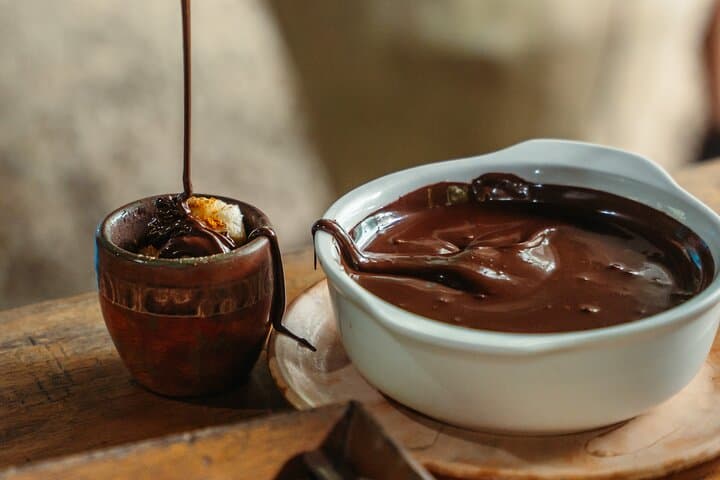
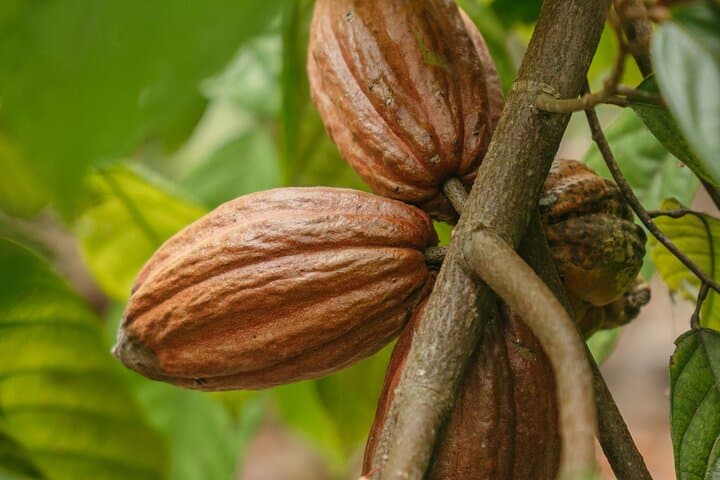
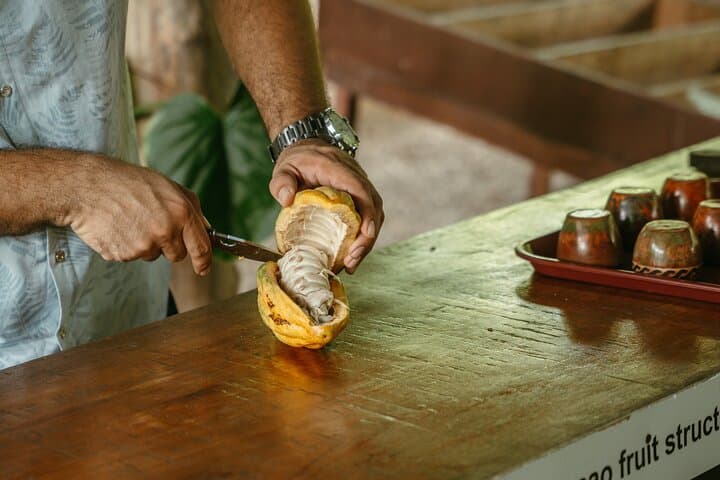
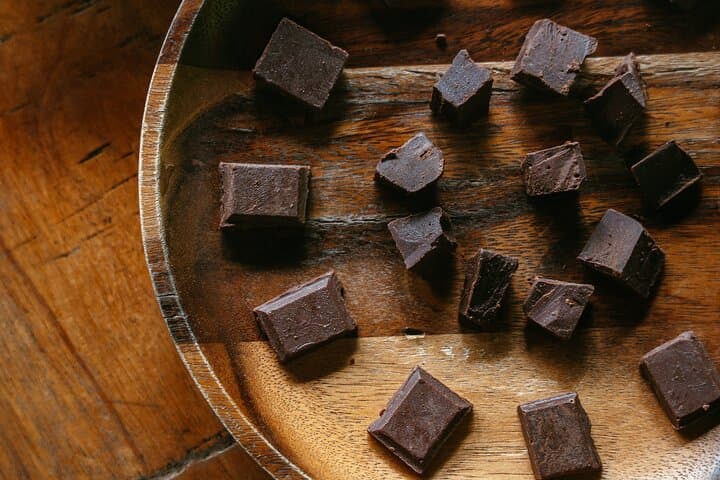
A humid dawn light filters through tall guanacaste and almond trees as participants step off the trail and into a private jungle preserve ten minutes from Manuel Antonio. Birdsong threads the air; a sloth blinks from a high branch and howler monkeys call across the canopy. The short loop through cacao groves and living coffee plots moves at a conversational pace, alternating hands-on demonstrations with time to watch wildlife and taste local products.
Verified experiences and guided adventures in the surrounding area.
Operated by Terra Travel Costa Rica · Quepos, Puntarenas
A humid dawn light filters through tall guanacaste and almond trees as participants step off the trail and into a private jungle preserve ten minutes from Manuel Antonio. Birdsong threads the air; a sloth blinks from a high branch and howler monkeys call across the canopy. The short loop through cacao groves and living coffee plots moves at a conversational pace, alternating hands-on demonstrations with time to watch wildlife and taste local products.
Cacao and coffee are crops with deep regional roots: cacao’s pre-Columbian history and coffee’s 19th-century boom shaped labor, land use, and town growth around Quepos. The tour’s trapiche—an old-style sugar-cane press—demonstrates rural processing that predates mechanized factories. Geologically, the coastal foothills here rest on volcanic soils that help cacao and coffee thrive, while seasonal rains push nutrients through the thin topsoil.
Culturally the visit ties food to technique: fermentation rooms, traditional café chorreado brewing, and agua de sapo prepared at the press show hands-on craft passed between generations. Guides speak English and Spanish and focus on sustainable practices used on-site.
Practical guidance: wear closed-toe shoes with grip for muddy sections, bring insect repellent and a light rain jacket during the wet season, and plan for a relaxed 3-hour window including tastings and lunch. Cameras with zoom lenses are useful for shy wildlife. The preserve is family-friendly but uneven in places—expect natural steps and short slopes. Book ahead during high season to secure a midday slot for the best light and cooler bird activity.
easy.
3 hours.
Light walking ability; able to manage short, uneven sections and standing during demonstrations.
The experience is approximately 3 hours and includes guided demonstrations, tastings, and lunch.
This specific option does not include transportation; pickup must be arranged separately.
Yes—families are welcome; trails are stroller-accessible in parts but some sections are uneven.
Guides can usually accommodate common dietary needs if notified in advance; list restrictions when booking.
Cacao and coffee have shaped the region’s settlement and economy for centuries; trapiche presses preserve an older artisanal processing method still used in parts of Costa Rica.
The preserve practices shade-grown cultivation and limits group sizes to reduce disturbance; visitors are encouraged to follow leave-no-trace guidelines and avoid feeding wildlife.
Terra Travel Costa Rica operates guided outdoor trips and adventures with an emphasis on safety, stewardship, and memorable experiences.
A humid dawn light filters through tall guanacaste and almond trees as participants step off the trail and into a private jungle preserve ten minutes from Manuel Antonio. Birdsong threads the air; a sloth blinks from a high branch and howler monkeys call across the canopy. The short loop through cacao groves and living coffee plots moves at a conversational pace, alternating hands-on demonstrations with time to watch wildlife and taste local products.
A humid dawn light filters through tall guanacaste and almond trees as participants step off the trail and into a private jungle preserve ten minutes from Manuel Antonio. Birdsong threads the air; a sloth blinks from a high branch and howler monkeys call across the canopy. The short loop through cacao groves and living coffee plots moves at a conversational pace, alternating hands-on demonstrations with time to watch wildlife and taste local products.
Cacao and coffee are crops with deep regional roots: cacao’s pre-Columbian history and coffee’s 19th-century boom shaped labor, land use, and town growth around Quepos. The tour’s trapiche—an old-style sugar-cane press—demonstrates rural processing that predates mechanized factories. Geologically, the coastal foothills here rest on volcanic soils that help cacao and coffee thrive, while seasonal rains push nutrients through the thin topsoil.
Culturally the visit ties food to technique: fermentation rooms, traditional café chorreado brewing, and agua de sapo prepared at the press show hands-on craft passed between generations. Guides speak English and Spanish and focus on sustainable practices used on-site.
Practical guidance: wear closed-toe shoes with grip for muddy sections, bring insect repellent and a light rain jacket during the wet season, and plan for a relaxed 3-hour window including tastings and lunch. Cameras with zoom lenses are useful for shy wildlife. The preserve is family-friendly but uneven in places—expect natural steps and short slopes. Book ahead during high season to secure a midday slot for the best light and cooler bird activity.