THE ADVENTURE COLLECTIVE® · Independent discovery and booking for outdoor travel

Spend a full day crossing the border for a Chobe River cruise and open-sided game drive. Expect close elephant encounters, hippo-lined channels and a riverside lunch before an afternoon safari across Chobe National Park.
Spend a full day crossing the border for a Chobe River cruise and open-sided game drive. Expect close elephant encounters, hippo-lined channels and a riverside lunch before an afternoon safari across Chobe National Park.
You step into morning light on the Zambia side of the Zambezi and the road unspools toward a border crossing where the river sets the rules.
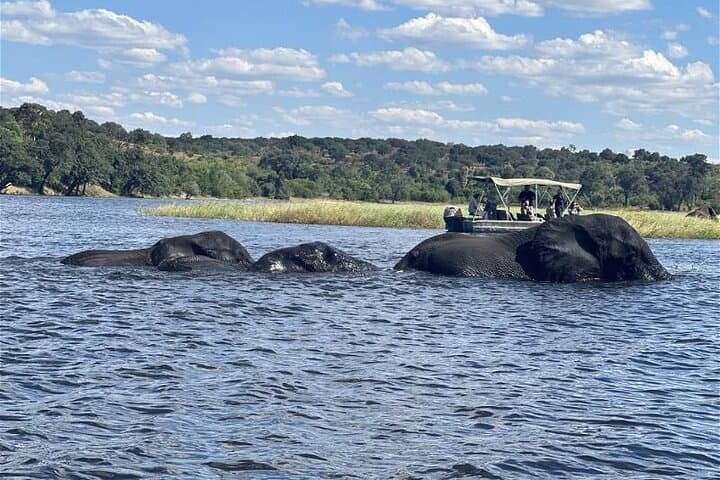
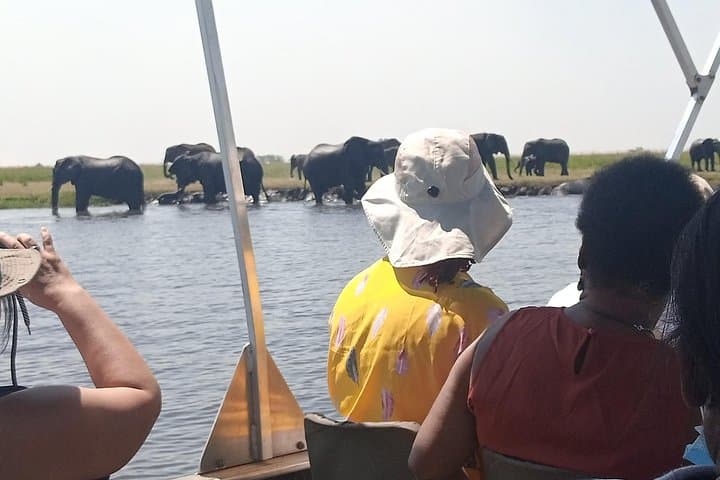
By mid-morning the Chobe River draws you forward: a low, slow current carrying pods of hippos like hidden boulders and banks where families of elephants graze with casual authority. The boat cuts through reed-lined bends, water daring you to look away as birds wheel and a crocodile slides into shadow.
The route links two histories — Livingstone’s colonial-era gateway to Victoria Falls and the long standing river corridors used by Tswana and Lozi communities for trade and fishing. Geologically this is a sedimentary river plain, its channels and islands reshaped every wet season; ecologically it’s a magnet for wildlife, especially during the dry months when animals concentrate at permanent water.
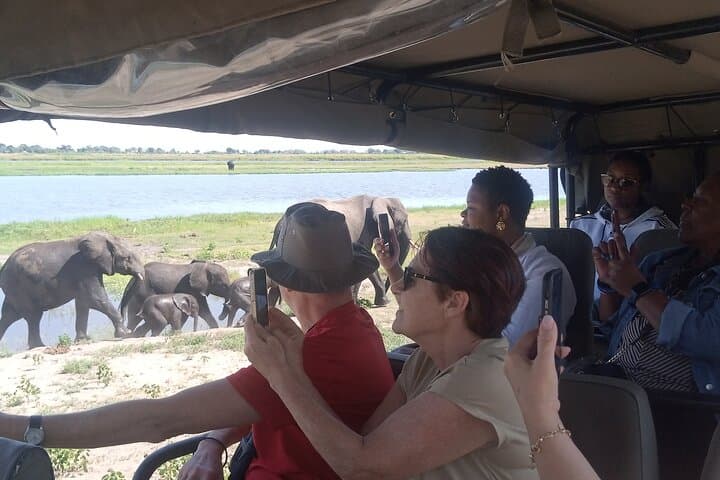
After a riverside buffet you climb into an open-sided safari vehicle, windows traded for 360-degree sightlines. The park’s flat floodplain makes it easier to spot large herds and predators watching from tall grass.
Practical notes: expect a long day (10–12 hours) with border formalities and variable light — mornings and late afternoons are best for photography. Bring a wide-angle plus a 200–400mm lens if you have one, binoculars, sun protection, and cash for tips or small purchases at lodges. Hydrate before you leave and carry a daypack with layers; wind and sun on the river can both bite. Follow your guide’s instructions around wildlife — distance and stillness keep both you and the animals safe.
Verified experiences and guided adventures in the surrounding area.
Operated by Southern Wild Travel and Tours · Livingstone, Southern Province
You step into morning light on the Zambia side of the Zambezi and the road unspools toward a border crossing where the river sets the rules.
By mid-morning the Chobe River draws you forward: a low, slow current carrying pods of hippos like hidden boulders and banks where families of elephants graze with casual authority. The boat cuts through reed-lined bends, water daring you to look away as birds wheel and a crocodile slides into shadow.
The route links two histories — Livingstone’s colonial-era gateway to Victoria Falls and the long standing river corridors used by Tswana and Lozi communities for trade and fishing. Geologically this is a sedimentary river plain, its channels and islands reshaped every wet season; ecologically it’s a magnet for wildlife, especially during the dry months when animals concentrate at permanent water.
After a riverside buffet you climb into an open-sided safari vehicle, windows traded for 360-degree sightlines. The park’s flat floodplain makes it easier to spot large herds and predators watching from tall grass.
Practical notes: expect a long day (10–12 hours) with border formalities and variable light — mornings and late afternoons are best for photography. Bring a wide-angle plus a 200–400mm lens if you have one, binoculars, sun protection, and cash for tips or small purchases at lodges. Hydrate before you leave and carry a daypack with layers; wind and sun on the river can both bite. Follow your guide’s instructions around wildlife — distance and stillness keep both you and the animals safe.
easy.
10–12 hours.
Suitable for most fitness levels — mostly seated on boat and vehicle with short walks; be ready for a long day.
Many nationalities require a visa; the KAZA Uni-Visa may be available at the border for eligible countries—check requirements before travel and bring your passport.
The tour notes wheelchair accessibility in parts, but boat and vehicle boarding may require moderate mobility; infants must sit on laps—consult the operator for specific accommodations.
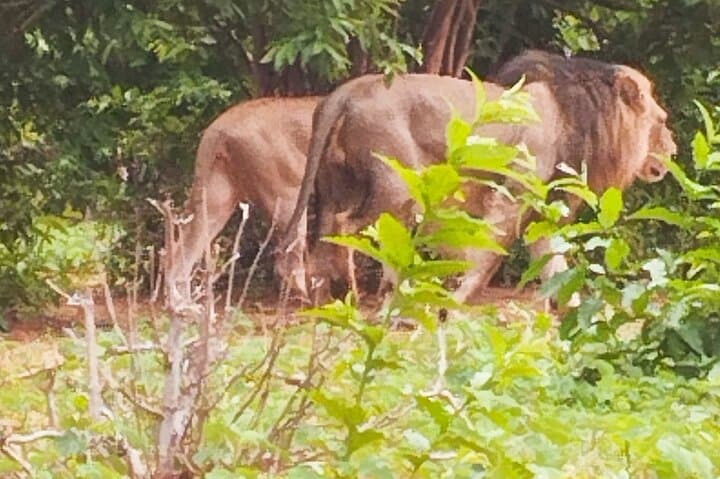
Elephants, hippos, Cape buffalo, antelope and often lions in the park; river cruises are particularly good for hippos and elephant viewing on the banks.
Expect a 10–12 hour day with hotel pickup; a riverside buffet lunch and refreshments are included in the tour price.
The Chobe River and surrounding floodplains have long supported local communities and trade; the national park was set aside in the 20th century to protect large wildlife populations that migrate along these waterways.
This region is part of the Kavango–Zambezi Transfrontier Conservation Area (KAZA), an effort to manage wildlife and cross-border tourism sustainably; visitors help by following guidance on distance, waste and noise.
Southern Wild Travel and Tours operates guided outdoor trips and adventures with an emphasis on safety, stewardship, and memorable experiences.
You step into morning light on the Zambia side of the Zambezi and the road unspools toward a border crossing where the river sets the rules.
By mid-morning the Chobe River draws you forward: a low, slow current carrying pods of hippos like hidden boulders and banks where families of elephants graze with casual authority. The boat cuts through reed-lined bends, water daring you to look away as birds wheel and a crocodile slides into shadow.
The route links two histories — Livingstone’s colonial-era gateway to Victoria Falls and the long standing river corridors used by Tswana and Lozi communities for trade and fishing. Geologically this is a sedimentary river plain, its channels and islands reshaped every wet season; ecologically it’s a magnet for wildlife, especially during the dry months when animals concentrate at permanent water.
After a riverside buffet you climb into an open-sided safari vehicle, windows traded for 360-degree sightlines. The park’s flat floodplain makes it easier to spot large herds and predators watching from tall grass.
Practical notes: expect a long day (10–12 hours) with border formalities and variable light — mornings and late afternoons are best for photography. Bring a wide-angle plus a 200–400mm lens if you have one, binoculars, sun protection, and cash for tips or small purchases at lodges. Hydrate before you leave and carry a daypack with layers; wind and sun on the river can both bite. Follow your guide’s instructions around wildlife — distance and stillness keep both you and the animals safe.
You step into morning light on the Zambia side of the Zambezi and the road unspools toward a border crossing where the river sets the rules.
By mid-morning the Chobe River draws you forward: a low, slow current carrying pods of hippos like hidden boulders and banks where families of elephants graze with casual authority. The boat cuts through reed-lined bends, water daring you to look away as birds wheel and a crocodile slides into shadow.
The route links two histories — Livingstone’s colonial-era gateway to Victoria Falls and the long standing river corridors used by Tswana and Lozi communities for trade and fishing. Geologically this is a sedimentary river plain, its channels and islands reshaped every wet season; ecologically it’s a magnet for wildlife, especially during the dry months when animals concentrate at permanent water.
After a riverside buffet you climb into an open-sided safari vehicle, windows traded for 360-degree sightlines. The park’s flat floodplain makes it easier to spot large herds and predators watching from tall grass.
Practical notes: expect a long day (10–12 hours) with border formalities and variable light — mornings and late afternoons are best for photography. Bring a wide-angle plus a 200–400mm lens if you have one, binoculars, sun protection, and cash for tips or small purchases at lodges. Hydrate before you leave and carry a daypack with layers; wind and sun on the river can both bite. Follow your guide’s instructions around wildlife — distance and stillness keep both you and the animals safe.