THE ADVENTURE COLLECTIVE® · Independent discovery and booking for outdoor travel

Head upriver from Kasane for a four‑hour pursuit of tigerfish on the legendary Chobe. Expect close wildlife encounters, expert local guides, and hard‑fighting fish targeted by fly or spinner.
Head upriver from Kasane for a four‑hour pursuit of tigerfish on the legendary Chobe. Expect close wildlife encounters, expert local guides, and hard‑fighting fish targeted by fly or spinner.
The boat eases away from the braided shoreline and the river opens like a moving plain. Reeds whisper past the hull, a pair of fish eagles wheel overhead, and the guide—hands steady from years on these currents—casts a bright spoon toward a riffle where the water seems to promise trouble.
Verified experiences and guided adventures in the surrounding area.
Operated by To do Africa · Kasane, Chobe District
The boat eases away from the braided shoreline and the river opens like a moving plain. Reeds whisper past the hull, a pair of fish eagles wheel overhead, and the guide—hands steady from years on these currents—casts a bright spoon toward a riffle where the water seems to promise trouble.
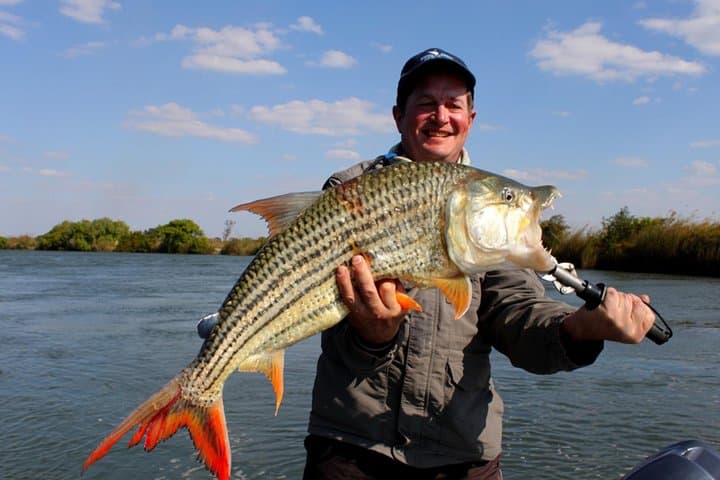
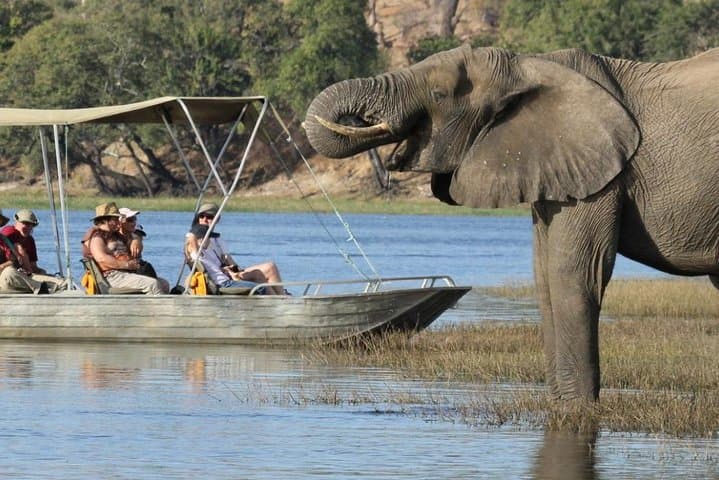
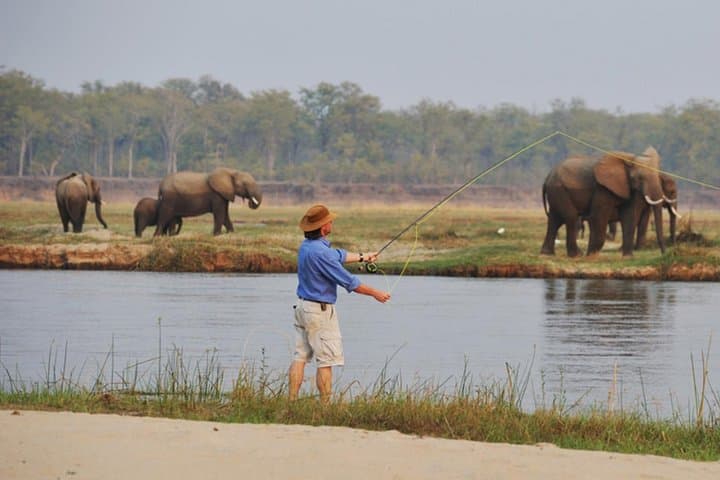
This is the Chobe River: wide, changeable, and famous among anglers for the tigerfish, a compact, toothy fighter rated among the greatest pound-for-pound freshwater opponents. The 4‑hour Chobe River Fishing Trip out of Kasane threads the river’s channels, dropping lines where guides know the eddies and drop-offs that concentrate prey. You’ll spin or fly cast from a stable skiff while wildlife keeps station on the banks—hippos bellowing in the shallows, impala grazing, and crocodiles slipping like dark knots beneath the mirror of the water.
Geologically the Chobe meanders along a low-lying basin cut through ancient Kalahari sands. Its channels shift seasonally with the rains, creating islands and backwaters that function as nurseries for fish and magnets for birdlife. Culturally, the river has been a lifeline for Tswana and Lozi communities and now supports lodges and guides whose knowledge of the river is passed down and sharpened by experience.
The trip balances sport and scenery. Guides will outfit you with tackle and local techniques—spinners, spoons, or light fly tackle—and teach ways to play a hooked tigerfish without putting you, or the animal, at risk. Expect to target species beyond tigerfish, including yellowbelly bream and barbel; each requires slightly different retrieves and patience.
Practicalities: the tour runs about four hours, includes bottled water, snacks and round-trip shared transfer from Kasane hotels, and requires at least three people per boat (charged per boat). A local National Park fee (about $10 per person) is payable at check-in. Bring sun protection, a hat, polarized sunglasses, and non-slip shoes; be prepared for boat motion and occasional splashes.
Safety and stewardship are part of the day. Keep distance from hippo pods and nesting shorebirds, follow your guide’s instructions, and handle fish carefully if practicing catch-and-release. The best months for consistent fishing are the dry season when channels concentrate fish; the wet season brings dramatic scenery and dynamic water but can mean wider, more dispersed fish.
For anglers who want more than a cast—who want to read current, pick the right lure, and feel a tigerfish make a brutal run—this short, focused trip delivers. It’s as much about being on the river and watching the ecosystem work as it is about that adrenaline-laced strike when a tigerfish explodes on the surface.
moderate.
4 hours.
Moderate—able to stand and cast from a boat for several hours and handle occasional strong fish runs.
The activity runs about 4 hours from departure to return, including shared transfers from Kasane hotels where arranged.
Tackle and basic equipment are provided by guides; bring personal rods if you prefer but confirm in advance.
Policies vary—ask your guide. Many guests practice catch-and-release for tigerfish due to conservation and safety concerns.
Infants must sit on laps; children are allowed but require supervision—confirm safety arrangements when booking.
Yes—common sightings include hippos, crocodiles, and a variety of waterbirds such as fish eagles and kingfishers along the riverbanks.
Tours typically run unless conditions are hazardous; cancellation for a full refund is possible if made at least 24 hours before departure.
The Chobe has long supported local communities and trade routes; it’s also central to modern conservation and tourism in northern Botswana.
Guides emphasize careful fish handling and limited disturbance; visitors should avoid feeding wildlife and follow instructions to protect riverbanks and nesting birds.
To do Africa operates guided outdoor trips and adventures with an emphasis on safety, stewardship, and memorable experiences.
The boat eases away from the braided shoreline and the river opens like a moving plain. Reeds whisper past the hull, a pair of fish eagles wheel overhead, and the guide—hands steady from years on these currents—casts a bright spoon toward a riffle where the water seems to promise trouble.
The boat eases away from the braided shoreline and the river opens like a moving plain. Reeds whisper past the hull, a pair of fish eagles wheel overhead, and the guide—hands steady from years on these currents—casts a bright spoon toward a riffle where the water seems to promise trouble.
This is the Chobe River: wide, changeable, and famous among anglers for the tigerfish, a compact, toothy fighter rated among the greatest pound-for-pound freshwater opponents. The 4‑hour Chobe River Fishing Trip out of Kasane threads the river’s channels, dropping lines where guides know the eddies and drop-offs that concentrate prey. You’ll spin or fly cast from a stable skiff while wildlife keeps station on the banks—hippos bellowing in the shallows, impala grazing, and crocodiles slipping like dark knots beneath the mirror of the water.
Geologically the Chobe meanders along a low-lying basin cut through ancient Kalahari sands. Its channels shift seasonally with the rains, creating islands and backwaters that function as nurseries for fish and magnets for birdlife. Culturally, the river has been a lifeline for Tswana and Lozi communities and now supports lodges and guides whose knowledge of the river is passed down and sharpened by experience.
The trip balances sport and scenery. Guides will outfit you with tackle and local techniques—spinners, spoons, or light fly tackle—and teach ways to play a hooked tigerfish without putting you, or the animal, at risk. Expect to target species beyond tigerfish, including yellowbelly bream and barbel; each requires slightly different retrieves and patience.
Practicalities: the tour runs about four hours, includes bottled water, snacks and round-trip shared transfer from Kasane hotels, and requires at least three people per boat (charged per boat). A local National Park fee (about $10 per person) is payable at check-in. Bring sun protection, a hat, polarized sunglasses, and non-slip shoes; be prepared for boat motion and occasional splashes.
Safety and stewardship are part of the day. Keep distance from hippo pods and nesting shorebirds, follow your guide’s instructions, and handle fish carefully if practicing catch-and-release. The best months for consistent fishing are the dry season when channels concentrate fish; the wet season brings dramatic scenery and dynamic water but can mean wider, more dispersed fish.
For anglers who want more than a cast—who want to read current, pick the right lure, and feel a tigerfish make a brutal run—this short, focused trip delivers. It’s as much about being on the river and watching the ecosystem work as it is about that adrenaline-laced strike when a tigerfish explodes on the surface.