THE ADVENTURE COLLECTIVE® · Independent discovery and booking for outdoor travel

Spend 48 hours in Chobe National Park sleeping in private tented domes and tracking elephants, buffalo and giraffe on guided open-vehicle drives. Practical setup, provided camp gear and riverfront views make this a hands-on wildlife overnight bordering Kasane.
Spend 48 hours in Chobe National Park sleeping in private tented domes and tracking elephants, buffalo and giraffe on guided open-vehicle drives. Practical setup, provided camp gear and riverfront views make this a hands-on wildlife overnight bordering Kasane.
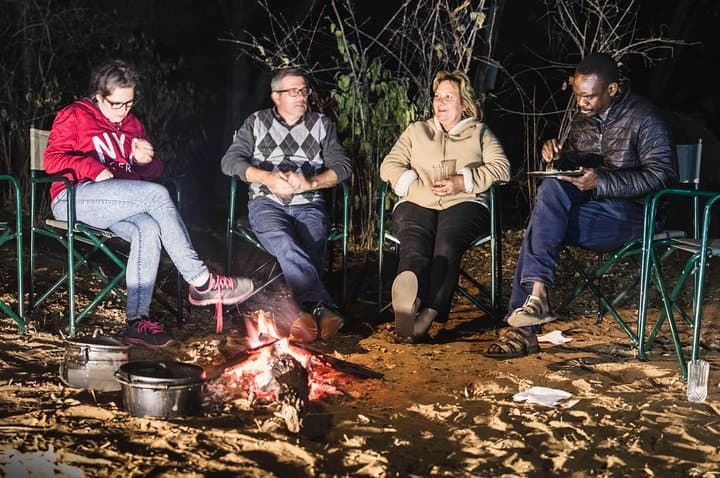
The morning mist on the Chobe River lifts like a curtain and the first bull elephants appear as silhouettes against a pale sky. Camp staff move quietly—unfolding canvas, stoking small lamps—while a distant hippo coughs, asserting its presence. That hush is part of the overnight camping rhythm here: a close, immediate encounter with the floodplain that shaped local life for centuries.
Verified experiences and guided adventures in the surrounding area.
Operated by Moonlight Safaris · Kasane, Chobe District
The morning mist on the Chobe River lifts like a curtain and the first bull elephants appear as silhouettes against a pale sky. Camp staff move quietly—unfolding canvas, stoking small lamps—while a distant hippo coughs, asserting its presence. That hush is part of the overnight camping rhythm here: a close, immediate encounter with the floodplain that shaped local life for centuries.
Chobe National Park sits at the convergence of riverine plains and mopane woodland. Geologically, the river’s seasonal pulse deposits rich alluvium that feeds dense grasslands and concentrates wildlife in the dry months. Culturally, the area around Kasane has long been a crossroads for Tonga and Lozi communities and now for guides who interpret traditional knowledge of animal movements.
This two-day, one-night trip pairs an open-vehicle game drive with sleeping in private tented dome canvas units that include en-suite showers and toilets. Expect guided drives across undulating savanna and close-range river views where elephants, buffalo and giraffe gather; nights are still, punctuated by owl calls and the occasional distant roar.
Practical guidance: pack layered clothing for hot days and cool evenings, a headlamp, malaria precautions in wet months, and binoculars for quiet observation. Photographers should prepare for early light and dusty conditions; secure camera bags and lens cloths.
Camp logistics are straightforward—camping equipment, linens and basic lighting are provided, and meals are served at the lodge and camp. For best sightings plan travel in the dry season and allow flexibility for wildlife-driven timing.
easy.
2 days (approx 48 hours).
Suitable for travelers in basic physical condition; involves short walks and getting into/out of open safari vehicles.
Tented dome canvas units are private with built-in showers and toilets; bedding and basic linens are provided.
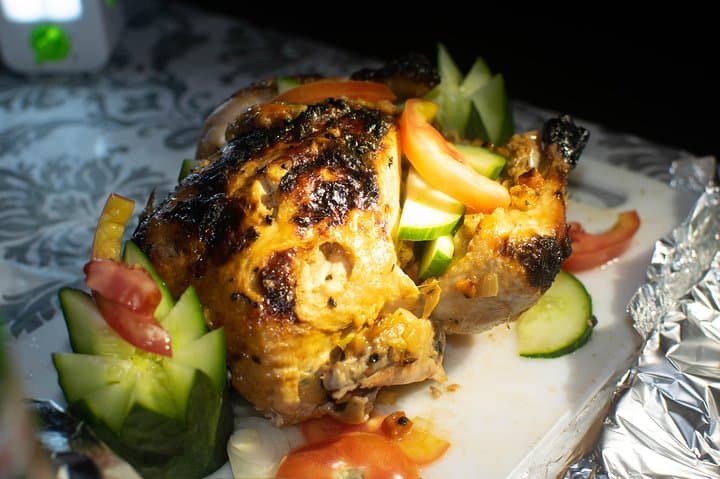
Lunch and select camp meals are included as described; guests can buy additional drinks at the lodge or camp in the evenings.
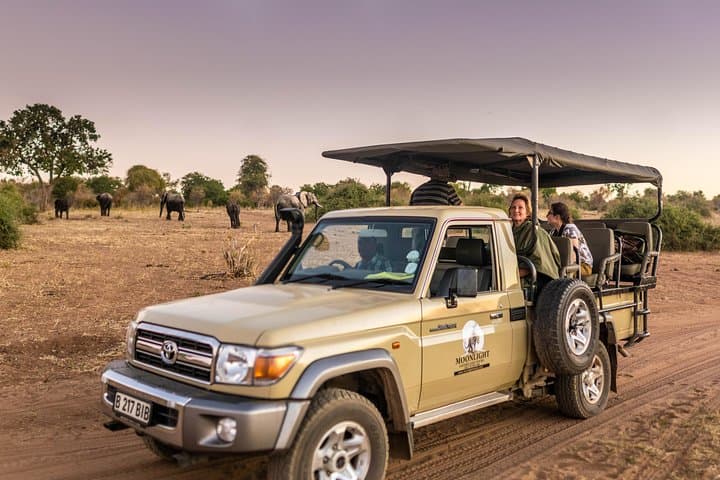
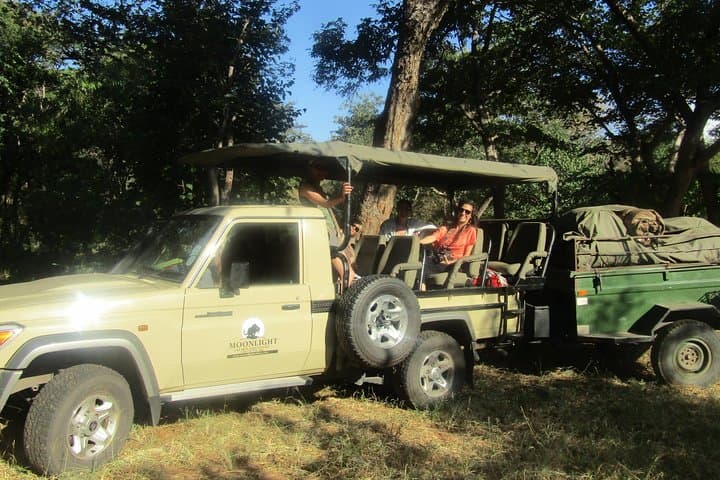
Game drives use open safari vehicles with a professional guide; drives focus on riverine edges and dry-season concentrations for best sightings.
The dry season (May–October) concentrates animals around water and offers clearer roads and predictable sightings, though the park is active year-round.
The Chobe corridor has long been a route for local communities and trade; modern conservation efforts began in the mid-20th century as wildlife populations rebounded under protected-area management.
Tour operators work with park authorities to minimize disturbance—stay on vehicle tracks, avoid night driving outside camp areas, and use reusable water bottles to cut plastic waste.
Moonlight Safaris operates guided outdoor trips and adventures with an emphasis on safety, stewardship, and memorable experiences.
The morning mist on the Chobe River lifts like a curtain and the first bull elephants appear as silhouettes against a pale sky. Camp staff move quietly—unfolding canvas, stoking small lamps—while a distant hippo coughs, asserting its presence. That hush is part of the overnight camping rhythm here: a close, immediate encounter with the floodplain that shaped local life for centuries.
The morning mist on the Chobe River lifts like a curtain and the first bull elephants appear as silhouettes against a pale sky. Camp staff move quietly—unfolding canvas, stoking small lamps—while a distant hippo coughs, asserting its presence. That hush is part of the overnight camping rhythm here: a close, immediate encounter with the floodplain that shaped local life for centuries.
Chobe National Park sits at the convergence of riverine plains and mopane woodland. Geologically, the river’s seasonal pulse deposits rich alluvium that feeds dense grasslands and concentrates wildlife in the dry months. Culturally, the area around Kasane has long been a crossroads for Tonga and Lozi communities and now for guides who interpret traditional knowledge of animal movements.
This two-day, one-night trip pairs an open-vehicle game drive with sleeping in private tented dome canvas units that include en-suite showers and toilets. Expect guided drives across undulating savanna and close-range river views where elephants, buffalo and giraffe gather; nights are still, punctuated by owl calls and the occasional distant roar.
Practical guidance: pack layered clothing for hot days and cool evenings, a headlamp, malaria precautions in wet months, and binoculars for quiet observation. Photographers should prepare for early light and dusty conditions; secure camera bags and lens cloths.
Camp logistics are straightforward—camping equipment, linens and basic lighting are provided, and meals are served at the lodge and camp. For best sightings plan travel in the dry season and allow flexibility for wildlife-driven timing.