THE ADVENTURE COLLECTIVE® · Independent discovery and booking for outdoor travel

Combine river and land in Chobe: boat safaris reveal hippos and shorebirds while jeep drives track elephants and lions in mopane woodland. This 2-day trip balances close viewing with comfortable lodge nights.
Combine river and land in Chobe: boat safaris reveal hippos and shorebirds while jeep drives track elephants and lions in mopane woodland. This 2-day trip balances close viewing with comfortable lodge nights.
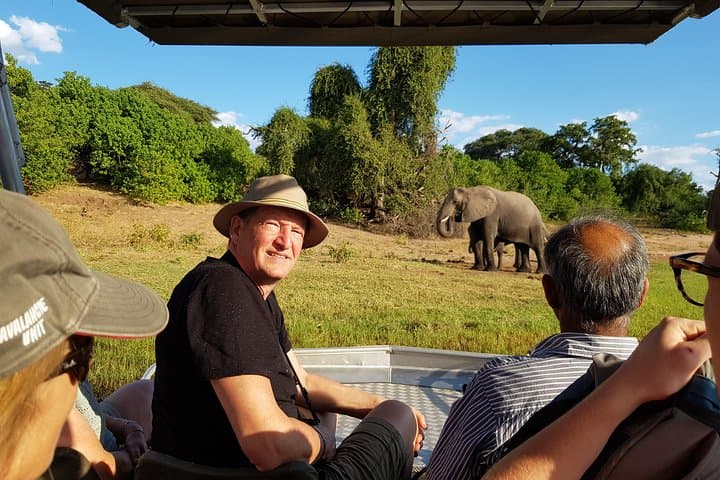
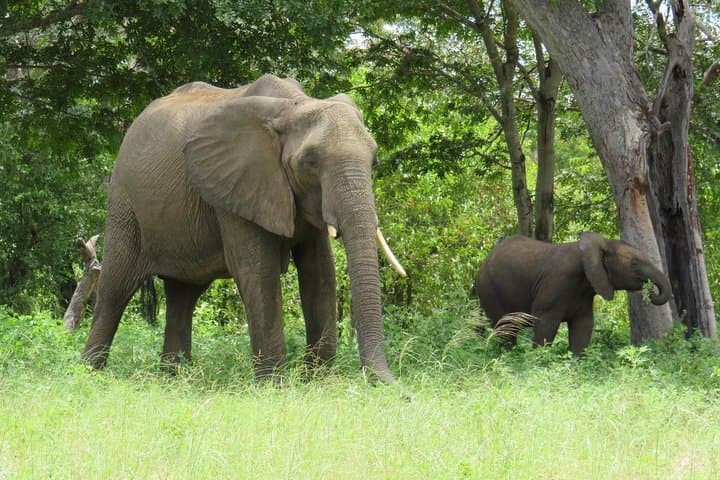
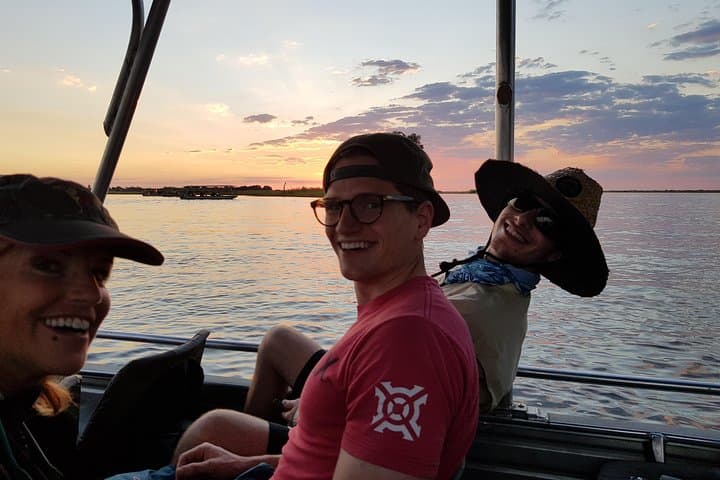
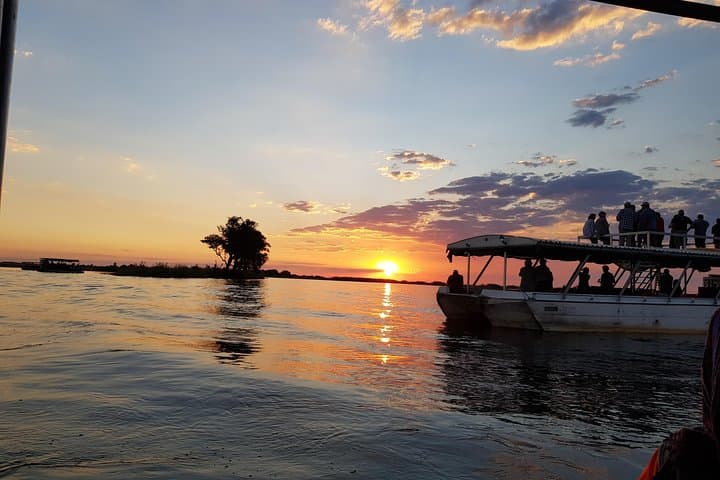
Sunlight cuts across the Chobe River as a dozen elephants step down to the water’s edge, trunks probing like slow, curious hands. On this two-day safari, the river and the land trade scenes: hippos grunting beneath glossy water, a heron hunting the shallows, and a jeep lifting dust as it follows buffalo tracks into shaded mopane woodland.
Verified experiences and guided adventures in the surrounding area.
Operated by SHOCKWAVE ADVENTURES · Kasane, Chobe District
Sunlight cuts across the Chobe River as a dozen elephants step down to the water’s edge, trunks probing like slow, curious hands. On this two-day safari, the river and the land trade scenes: hippos grunting beneath glossy water, a heron hunting the shallows, and a jeep lifting dust as it follows buffalo tracks into shaded mopane woodland.
Chobe National Park, created in the 1960s to protect riverine corridors and migration routes, is geologically defined by alluvial floodplains and granite outcrops. Culturally the park sits at the crossroads of Tswana and Lozi-speaking communities; boatmen and guides draw knowledge from generations of local river use. The park’s ecology is driven by seasonal floods that push animals onto high ground and concentrate game along predictable waterlines.
Practical guidance: expect a mix of vehicle tracks and flat river channels—no technical hiking required, but early mornings are best for predator activity. Boat safaris offer low-angle viewing of shorelines and hippo pods; jeep drives provide broader range for elephant herds and grazing antelope. Accommodation is simple lodge comfort—pack layers, sun protection, and a good pair of binoculars.
Timing matters: dry season yields larger herds congregating at the river; wet season brings lush vegetation and prolific birdlife. Follow guide instructions around water and avoid getting between wildlife and the river. With basic preparation, this combined boat-and-jeep itinerary delivers close, varied encounters and the steady, patient rhythm of Chobe’s wild river.
easy.
2 days.
Suitable for most fitness levels; requires ability to enter/exit safari vehicles and short walks at lodges.
Visa requirements depend on your nationality; many travelers enter via Kasane or Victoria Falls—check visa rules for Botswana and Zimbabwe before travel.
Yes—Chobe is in a malaria zone; consult a travel clinic for prophylaxis and use mosquito protection at dawn and dusk.
Confirm with the operator—some tours include park entry and boat fees, while others list them separately; ask at booking.
Closed, comfortable walking shoes or lightweight hiking shoes are best for lodge walks and brief excursions from the vehicle.
Chobe National Park was established in the 1960s to protect riverine habitats and seasonal migration routes for large mammals.
Tourism revenues support anti-poaching and community programs; follow guide instructions to minimize disturbance and never feed wildlife.
SHOCKWAVE ADVENTURES operates guided outdoor trips and adventures with an emphasis on safety, stewardship, and memorable experiences.
Sunlight cuts across the Chobe River as a dozen elephants step down to the water’s edge, trunks probing like slow, curious hands. On this two-day safari, the river and the land trade scenes: hippos grunting beneath glossy water, a heron hunting the shallows, and a jeep lifting dust as it follows buffalo tracks into shaded mopane woodland.
Sunlight cuts across the Chobe River as a dozen elephants step down to the water’s edge, trunks probing like slow, curious hands. On this two-day safari, the river and the land trade scenes: hippos grunting beneath glossy water, a heron hunting the shallows, and a jeep lifting dust as it follows buffalo tracks into shaded mopane woodland.
Chobe National Park, created in the 1960s to protect riverine corridors and migration routes, is geologically defined by alluvial floodplains and granite outcrops. Culturally the park sits at the crossroads of Tswana and Lozi-speaking communities; boatmen and guides draw knowledge from generations of local river use. The park’s ecology is driven by seasonal floods that push animals onto high ground and concentrate game along predictable waterlines.
Practical guidance: expect a mix of vehicle tracks and flat river channels—no technical hiking required, but early mornings are best for predator activity. Boat safaris offer low-angle viewing of shorelines and hippo pods; jeep drives provide broader range for elephant herds and grazing antelope. Accommodation is simple lodge comfort—pack layers, sun protection, and a good pair of binoculars.
Timing matters: dry season yields larger herds congregating at the river; wet season brings lush vegetation and prolific birdlife. Follow guide instructions around water and avoid getting between wildlife and the river. With basic preparation, this combined boat-and-jeep itinerary delivers close, varied encounters and the steady, patient rhythm of Chobe’s wild river.