THE ADVENTURE COLLECTIVE® · Independent discovery and booking for outdoor travel

Spend two nights and three days camping in Chobe National Park with river cruises and early-morning/late-afternoon game drives. Expect close encounters with elephants, hippos and abundant birdlife, and come prepared with a sturdy 4x4 or an all-inclusive camping package.
Spend two nights and three days camping in Chobe National Park with river cruises and early-morning/late-afternoon game drives. Expect close encounters with elephants, hippos and abundant birdlife, and come prepared with a sturdy 4x4 or an all-inclusive camping package.
Dawn strips the sky above the Chobe River in slow, cool strokes — elephants move like slow punctuation along the bank, hippos grumble beneath the surface and birds peel the day open. The first day begins with a river cruise that pushes you close to the waterline, then folds into late-afternoon game drives where herds drift to drink and the light turns the floodplain gold.
Verified experiences and guided adventures in the surrounding area.
Operated by Revival Safaris and Tours · Kasane, Chobe District
Dawn strips the sky above the Chobe River in slow, cool strokes — elephants move like slow punctuation along the bank, hippos grumble beneath the surface and birds peel the day open. The first day begins with a river cruise that pushes you close to the waterline, then folds into late-afternoon game drives where herds drift to drink and the light turns the floodplain gold.
Chobe National Park, formally protected since the 1960s, sits on alluvial floodplains fed by the Chobe and Zambezi systems; those seasonal sediments create the park’s productive riverine woodlands and mopane flats. The human history here ranges from the indigenous San and other Khoisan-speaking peoples to modern-day communities in Kasane; you’ll see river-based life that’s been practiced for generations. Geologically, the area is defined by shallow plains punctuated by river channels and islands shaped by annual floods.
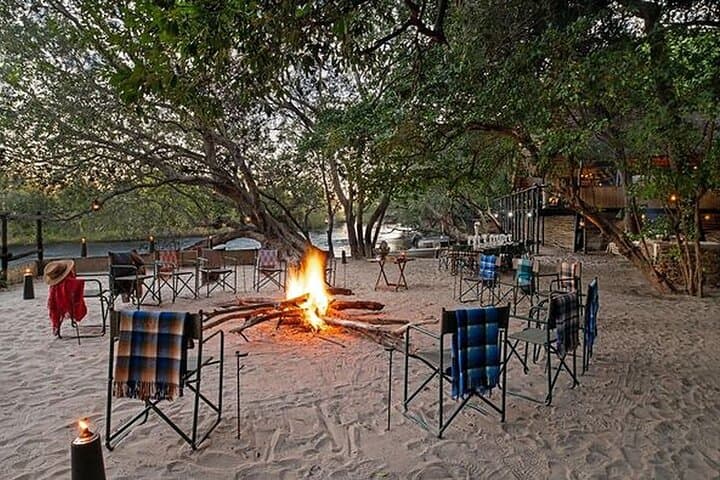
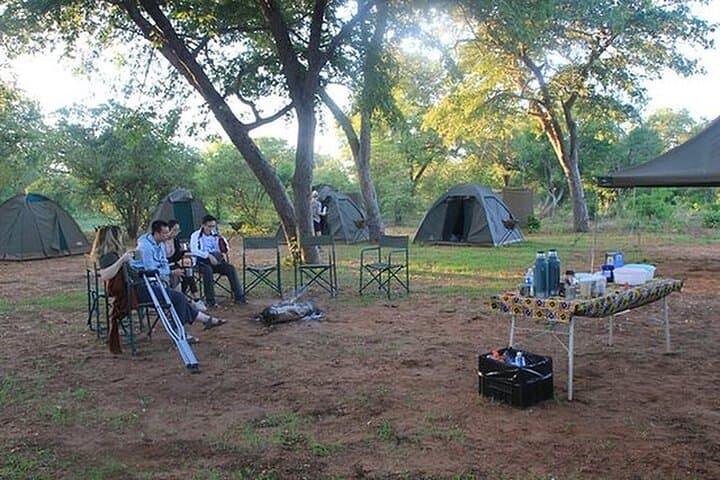
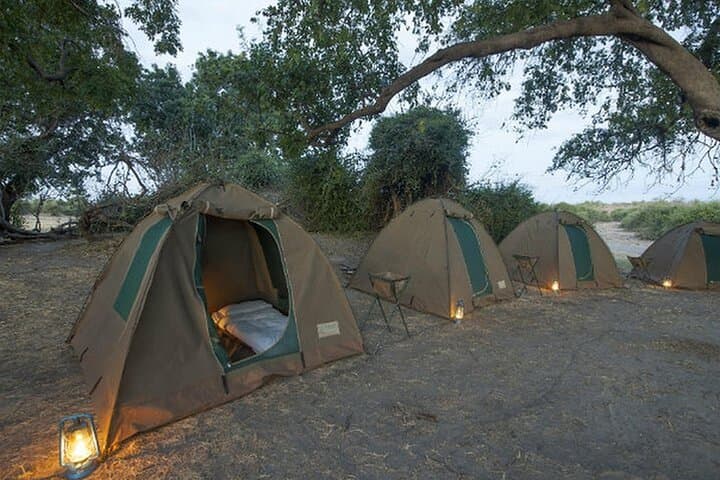
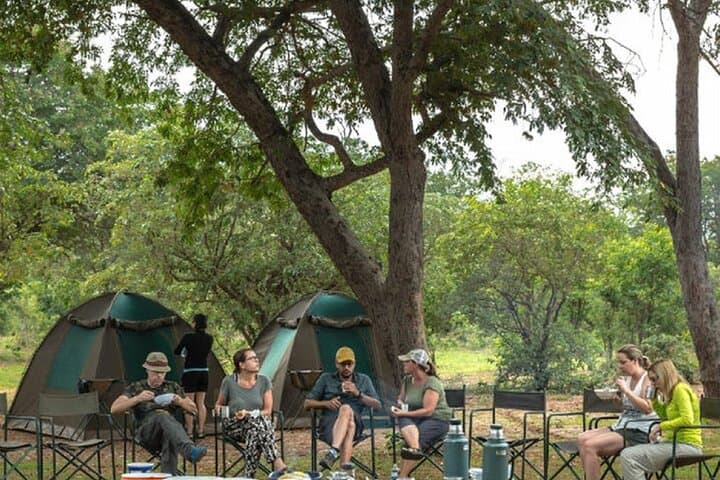
Practically, this is vehicle-first safari country: two full days of guided 4x4 game drives (dawn and dusk are prime), a river cruise for close aquatic wildlife viewing, and two nights of camping inside or adjacent to the park. Self-drive access is possible only seasonally and requires a sturdy 4x4 and a ferry crossing; many travelers choose the all-inclusive camping package to avoid logistics. Expect sandy tracks, dust, long heat by day and cool, mosquito-pricked nights; bring layered clothing, water, strong sun protection and insect repellent. Plan for early starts, camera batteries charged, and a willingness to trade comfort for proximity to the wild — the payoff is intimate wildlife encounters and campfire evenings under a plain of stars.
easy.
3 days (approx. 72 hours).
Suitable for general fitness; most travel is vehicle-based with short guided walks or boardings for river cruises.
Yes when you follow park regulations and camp in authorised sites or with a reputable operator; keep food stored, maintain distance from wildlife, and follow guide instructions.
A sturdy 4x4 is recommended—roads to and within Chobe can be sandy or rutted and some border access routes require high-clearance vehicles; many travellers choose an all-inclusive transfer to avoid vehicle issues.
Dry season (roughly May–October) concentrates animals at water and offers the most reliable sightings, while green season can bring lush birdlife but muddier roads and more dispersed mammals.
Vaccination and visa requirements vary by nationality and travel origin; check Botswana entry rules, yellow fever requirements if coming from endemic countries, and consult a travel health clinic for recommended vaccines.
Chobe was designated a protected area in the mid-20th century and expanded over time to safeguard its important riverine ecosystems and large herbivore populations.
Seasonal tourism and regulated river cruises help fund anti-poaching and habitat management; visitors should follow park rules to minimise disturbance and pack out waste.
Revival Safaris and Tours operates guided outdoor trips and adventures with an emphasis on safety, stewardship, and memorable experiences.
Dawn strips the sky above the Chobe River in slow, cool strokes — elephants move like slow punctuation along the bank, hippos grumble beneath the surface and birds peel the day open. The first day begins with a river cruise that pushes you close to the waterline, then folds into late-afternoon game drives where herds drift to drink and the light turns the floodplain gold.
Dawn strips the sky above the Chobe River in slow, cool strokes — elephants move like slow punctuation along the bank, hippos grumble beneath the surface and birds peel the day open. The first day begins with a river cruise that pushes you close to the waterline, then folds into late-afternoon game drives where herds drift to drink and the light turns the floodplain gold.
Chobe National Park, formally protected since the 1960s, sits on alluvial floodplains fed by the Chobe and Zambezi systems; those seasonal sediments create the park’s productive riverine woodlands and mopane flats. The human history here ranges from the indigenous San and other Khoisan-speaking peoples to modern-day communities in Kasane; you’ll see river-based life that’s been practiced for generations. Geologically, the area is defined by shallow plains punctuated by river channels and islands shaped by annual floods.
Practically, this is vehicle-first safari country: two full days of guided 4x4 game drives (dawn and dusk are prime), a river cruise for close aquatic wildlife viewing, and two nights of camping inside or adjacent to the park. Self-drive access is possible only seasonally and requires a sturdy 4x4 and a ferry crossing; many travelers choose the all-inclusive camping package to avoid logistics. Expect sandy tracks, dust, long heat by day and cool, mosquito-pricked nights; bring layered clothing, water, strong sun protection and insect repellent. Plan for early starts, camera batteries charged, and a willingness to trade comfort for proximity to the wild — the payoff is intimate wildlife encounters and campfire evenings under a plain of stars.