THE ADVENTURE COLLECTIVE® · Independent discovery and booking for outdoor travel

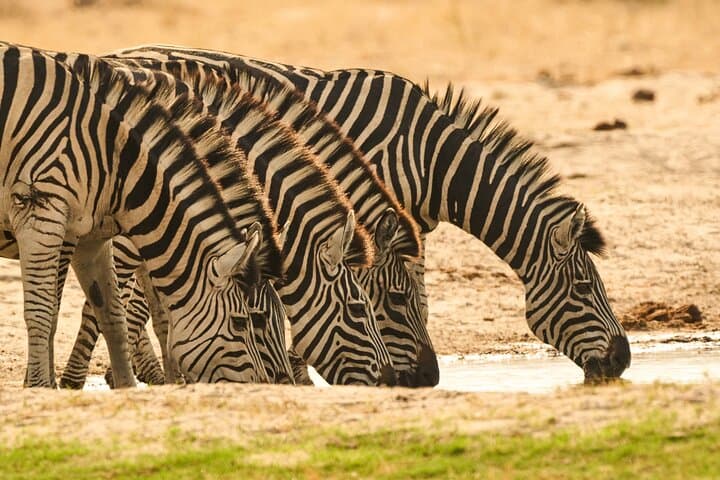
Combine a four-hour Chobe National Park game drive with a cultural visit to Impalila Island for a compact day that pairs big-game sightings with riverside community life. Expect elephant herds, river views, and hands-on cultural exchanges.
Combine a four-hour Chobe National Park game drive with a cultural visit to Impalila Island for a compact day that pairs big-game sightings with riverside community life. Expect elephant herds, river views, and hands-on cultural exchanges.
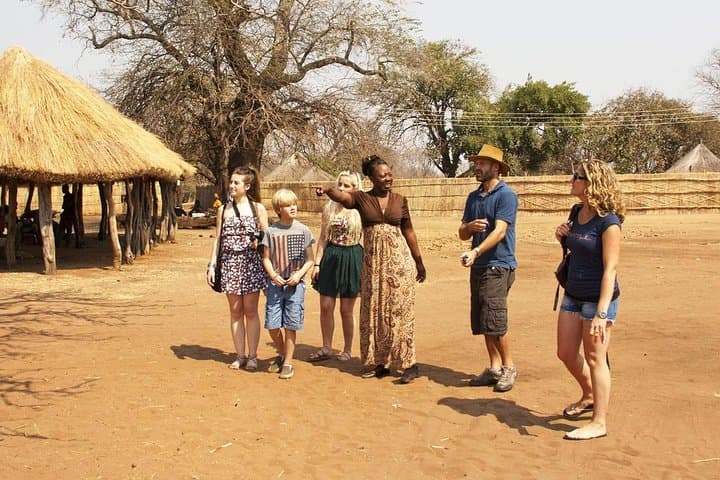
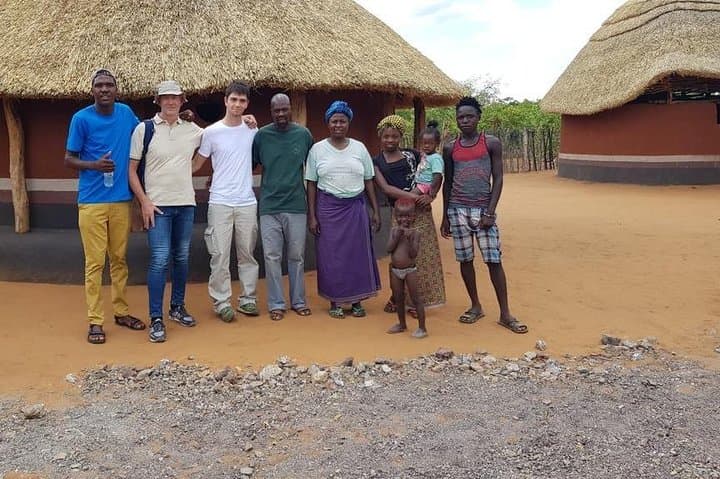
A warm wind off the Chobe River lifts dust from the track as a 4x4 eases through riverine woodland. The guide’s voice drops to a practiced hush; a distant rumble signals a herd of elephants moving through mopane and floodplain grass. Later, a short boat crossing delivers you to Impalila Island, where children wave from a riverside village and the current seems to carry stories from four bordering countries.
Verified experiences and guided adventures in the surrounding area.
Operated by Cuckoo Safaris · Kasane, Chobe District
A warm wind off the Chobe River lifts dust from the track as a 4x4 eases through riverine woodland. The guide’s voice drops to a practiced hush; a distant rumble signals a herd of elephants moving through mopane and floodplain grass. Later, a short boat crossing delivers you to Impalila Island, where children wave from a riverside village and the current seems to carry stories from four bordering countries.
Chobe National Park is one of southern Africa’s richest wildlife arenas, shaped by the Zambezi and Chobe rivers and by sedimentary floodplains that attract huge elephant and buffalo herds. Impalila sits at the confluence where Botswana, Namibia, Zambia and Zimbabwe almost meet, and its communities have long adapted to a riverside life of fishing, boat-building and cross-border trade.
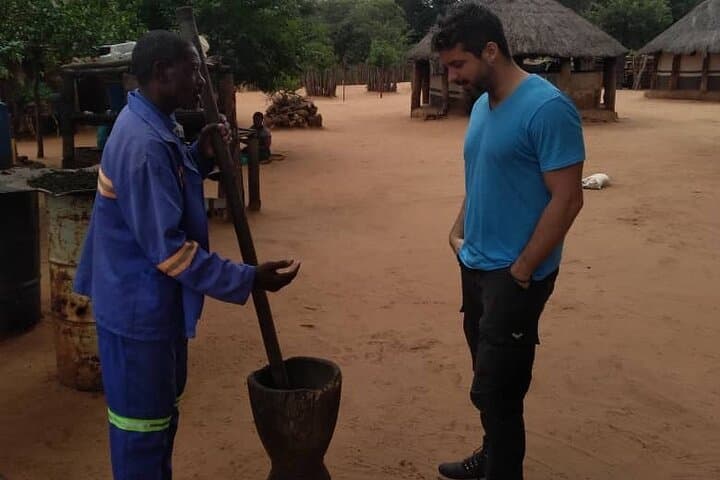
Expect classic safari rhythms: slow drives focused on tracks and behavior, and soft-shoed walks in a village setting. Guides balance wildlife interpretation with cultural context — learn about seasonal floods that sculpt the land, traditional crafts, and local livelihoods tied to the river.
Practical guidance: start early to catch animals at first light and the cooler temperature; bring layered sun protection, water, and a camera with a telephoto lens. Border formalities are handled on tour but carry passports and any required visas. The day combines vehicle comfort and low-impact village visits — move quietly, ask before photographing people, and follow guide instructions to minimize disturbance.
easy.
6–7 hours.
Suitable for most fitness levels; involves vehicle-based viewing and short, easy village walks.
Visa requirements depend on your nationality and the border crossings involved; bring your passport and check visa rules in advance—your operator provides border assistance but you’re responsible for documentation.
Basic restroom stops are available in Kasane and at designated stops; carry snacks and water—some tours include light refreshments but confirm at booking.
Chobe has high concentrations of elephants and buffalo, increasing chances for sightings; big cats are present but sightings aren’t guaranteed and depend on season and animal movement.
The listing notes wheelchair accessibility; contact the operator ahead to confirm vehicle and village-access specifics for your needs.
The river junction here has long been a meeting place for peoples and trade; colonial-era borders split communities but riverside cultural ties remain strong.
Chobe is critical for elephant migration and regional biodiversity; visitors are encouraged to minimize disturbance, follow park rules, and support local guides and community tourism.
Cuckoo Safaris operates guided outdoor trips and adventures with an emphasis on safety, stewardship, and memorable experiences.
A warm wind off the Chobe River lifts dust from the track as a 4x4 eases through riverine woodland. The guide’s voice drops to a practiced hush; a distant rumble signals a herd of elephants moving through mopane and floodplain grass. Later, a short boat crossing delivers you to Impalila Island, where children wave from a riverside village and the current seems to carry stories from four bordering countries.
A warm wind off the Chobe River lifts dust from the track as a 4x4 eases through riverine woodland. The guide’s voice drops to a practiced hush; a distant rumble signals a herd of elephants moving through mopane and floodplain grass. Later, a short boat crossing delivers you to Impalila Island, where children wave from a riverside village and the current seems to carry stories from four bordering countries.
Chobe National Park is one of southern Africa’s richest wildlife arenas, shaped by the Zambezi and Chobe rivers and by sedimentary floodplains that attract huge elephant and buffalo herds. Impalila sits at the confluence where Botswana, Namibia, Zambia and Zimbabwe almost meet, and its communities have long adapted to a riverside life of fishing, boat-building and cross-border trade.
Expect classic safari rhythms: slow drives focused on tracks and behavior, and soft-shoed walks in a village setting. Guides balance wildlife interpretation with cultural context — learn about seasonal floods that sculpt the land, traditional crafts, and local livelihoods tied to the river.
Practical guidance: start early to catch animals at first light and the cooler temperature; bring layered sun protection, water, and a camera with a telephoto lens. Border formalities are handled on tour but carry passports and any required visas. The day combines vehicle comfort and low-impact village visits — move quietly, ask before photographing people, and follow guide instructions to minimize disturbance.