THE ADVENTURE COLLECTIVE® · Independent discovery and booking for outdoor travel

Spend a day on the Chobe River and adjoining riverfront for concentrated wildlife viewing — elephants, hippos, and dense birdlife are most active around the permanent channels. This Kasane-based full-day tour mixes cultural insight with river and land-based game viewing.
Spend a day on the Chobe River and adjoining riverfront for concentrated wildlife viewing — elephants, hippos, and dense birdlife are most active around the permanent channels. This Kasane-based full-day tour mixes cultural insight with river and land-based game viewing.
Dawn spills low over the Chobe River and the boat slips into a glassy dark ribbon; ripples scatter as elephants cross the shallows, inviting scrutiny rather than surprise.
Verified experiences and guided adventures in the surrounding area.
Operated by Logan Safaris · Kasane, North-East
Dawn spills low over the Chobe River and the boat slips into a glassy dark ribbon; ripples scatter as elephants cross the shallows, inviting scrutiny rather than surprise.
This full-day outing from Kasane pairs a river cruise with guided game viewing along Chobe National Park’s riverfront — an ecosystem shaped by seasonal floods and a granite bedrock that channels life into dense riverine woodland. The park, formally protected since the 1960s, has long been a crossroads for Tswana-speaking communities and river-based trade; today local guides bring cultural context to sightings and explain how the river’s channels move wildlife through the dry season.
Expect wide plains punctuated by Mowana (mopane) trees, braided channels that rearrange each wet season, and a concentration of large mammals drawn to permanent water. Guides focus on respectful viewing distances: elephants often lead, hippos lurk in channels, and birdlife explodes in reed-lined eddies.
Practicalities: the excursion runs roughly 3–7 hours and typically includes park fees, bottled water, soda, and lunch. It’s suitable for most fitness levels and accessible options are common, but dress for sun and variable winds on open boats. Bring binoculars, sunscreen, and a light rain layer in the wet months. Start early for cooler light and the best river activity, or plan late-afternoon cruises when animals move toward water.
Follow your guide’s instructions around large mammals, pack out waste, and consider a local-operated tour to keep revenue in communities lining the Chobe River.
easy.
3–7 hours.
Suitable for most fitness levels; ability to step onto a low boat ladder is helpful.
The tour runs approximately 3 to 7 hours depending on itinerary and transfers; check your booking for exact pickup and return times.
Yes — typical inclusions are park fees, bottled water, soft drinks, and lunch as listed in the tour details.
Operators usually accommodate families and have wheelchair-accessible options, but confirm specific mobility needs at booking and note infants may need to sit on laps.
Guides maintain safe viewing distances; riverboats and vehicles approach cautiously but wildlife behavior dictates exact proximity for safety.
The Chobe area has long supported riverine communities and was formally protected in the mid-20th century to conserve its high-density wildlife populations.
Chobe National Park is managed to balance wildlife protection and tourism; follow operator guidance, avoid littering, and choose locally run tours to support community stewardship.
Logan Safaris operates guided outdoor trips and adventures with an emphasis on safety, stewardship, and memorable experiences.
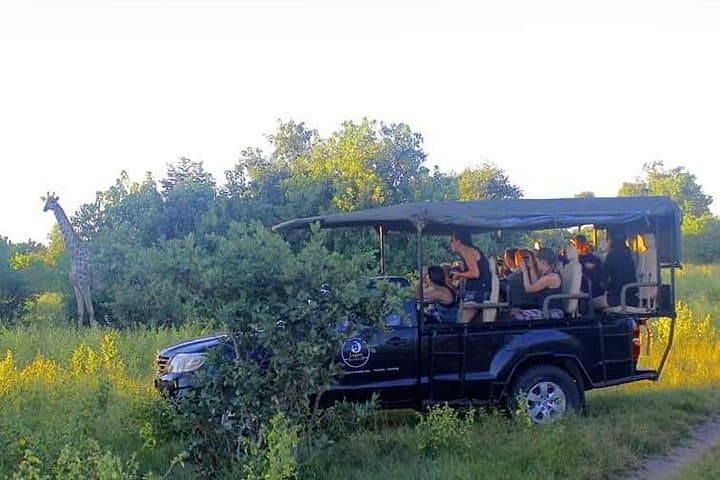
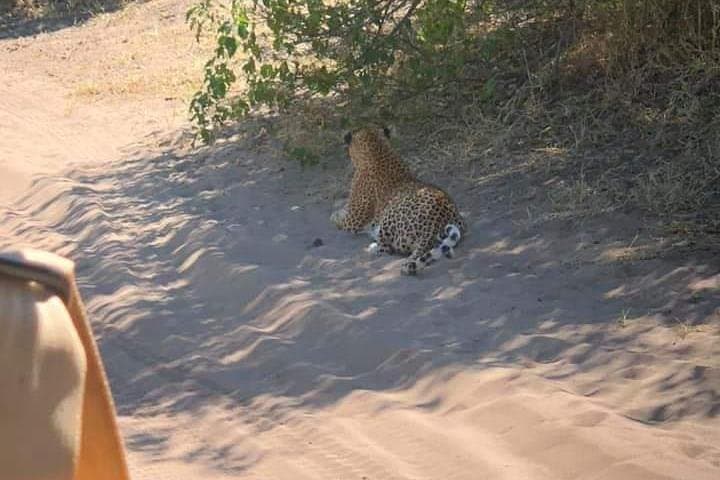

Dawn spills low over the Chobe River and the boat slips into a glassy dark ribbon; ripples scatter as elephants cross the shallows, inviting scrutiny rather than surprise.
Dawn spills low over the Chobe River and the boat slips into a glassy dark ribbon; ripples scatter as elephants cross the shallows, inviting scrutiny rather than surprise.
This full-day outing from Kasane pairs a river cruise with guided game viewing along Chobe National Park’s riverfront — an ecosystem shaped by seasonal floods and a granite bedrock that channels life into dense riverine woodland. The park, formally protected since the 1960s, has long been a crossroads for Tswana-speaking communities and river-based trade; today local guides bring cultural context to sightings and explain how the river’s channels move wildlife through the dry season.
Expect wide plains punctuated by Mowana (mopane) trees, braided channels that rearrange each wet season, and a concentration of large mammals drawn to permanent water. Guides focus on respectful viewing distances: elephants often lead, hippos lurk in channels, and birdlife explodes in reed-lined eddies.
Practicalities: the excursion runs roughly 3–7 hours and typically includes park fees, bottled water, soda, and lunch. It’s suitable for most fitness levels and accessible options are common, but dress for sun and variable winds on open boats. Bring binoculars, sunscreen, and a light rain layer in the wet months. Start early for cooler light and the best river activity, or plan late-afternoon cruises when animals move toward water.
Follow your guide’s instructions around large mammals, pack out waste, and consider a local-operated tour to keep revenue in communities lining the Chobe River.