THE ADVENTURE COLLECTIVE® · Independent discovery and booking for outdoor travel

A full-day combination river cruise and afternoon game drive into Chobe National Park, this trip pairs up-close river wildlife viewing with a land-based safari. Ideal for travelers staying in Livingstone who want a single-day immersion into one of southern Africa’s richest wildlife areas.
A full-day combination river cruise and afternoon game drive into Chobe National Park, this trip pairs up-close river wildlife viewing with a land-based safari. Ideal for travelers staying in Livingstone who want a single-day immersion into one of southern Africa’s richest wildlife areas.
The sun breaks over the Chobe River, and the first silhouettes on the water are trunks and tusks—elephants moving like slow islands through the morning mist. On this full-day Chobe Day Trip from Livingstone, the river takes the lead: a boat pushes out into channels where crocodiles watch from sun-slick banks and hippos grumble beneath the surface, then the land opens into tawny floodplains where lions and herds move with deliberate purpose.
Verified experiences and guided adventures in the surrounding area.
Operated by Sitali S Travel and Tours · Kasane, Chobe District
The sun breaks over the Chobe River, and the first silhouettes on the water are trunks and tusks—elephants moving like slow islands through the morning mist. On this full-day Chobe Day Trip from Livingstone, the river takes the lead: a boat pushes out into channels where crocodiles watch from sun-slick banks and hippos grumble beneath the surface, then the land opens into tawny floodplains where lions and herds move with deliberate purpose.
Geology here is simple and dramatic: the river carved a shallow floodplain that swells in the wet season and tightens into exposed pans in the dry months, concentrating wildlife. Chobe National Park, created in the 1960s, protects one of Africa’s largest elephant populations and sits at a cultural crossroads where Tswana and Lozi communities have long used river routes for trade and sustenance.
Expect a morning river safari focused on birdlife and riverside mammals, a five-course lunch at Chobe Safari Lodge, then an afternoon game drive across park roads that can range from compact dirt to corrugated sections. Wildlife viewing is best in the dry season when animals gather at water; the wet season brings lush birdlife and dramatic skies.
Practicalities: the day is roughly 11 hours including border crossing—carry original passports with at least six months validity, camera gear with a long lens (200–400mm preferred), sun protection, and local currency for tipping or crafts. Tours include park fees, bottled water, and transfers from Livingstone. Move slowly on the river and keep a respectful distance on land—wildlife here sets the pace and the traveler follows.
easy.
11 hours.
No special fitness required—most time spent on boat and in vehicle; participants should be able to board boats and vehicles and walk short, uneven distances.
Visa requirements depend on your nationality—check current entry rules for Botswana and Zambia, and carry your passport with at least six months validity.
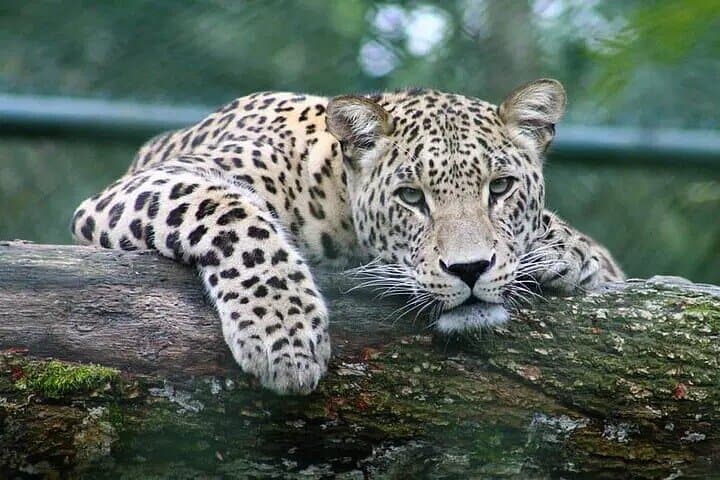
Expect large elephant herds, hippos, crocodiles, buffalo, and a variety of birds; lions and leopards are possible but less predictable on a single-day visit.
The operator lists wheelchair-accessible transport and areas, but boat boarding and safari vehicles may have limitations—inform the provider of mobility needs when booking.
Yes—this trip includes Chobe National Park entrance fees and a five-course buffet lunch at Chobe Safari Lodge, as noted in the inclusions.
Chobe National Park was established in the mid-20th century to protect floodplain habitats and became notable for hosting large elephant populations; river routes have long been vital to local communities.
Tourism supports anti-poaching and community projects—follow guide rules, avoid feeding wildlife, and choose operators that contribute to local conservation efforts.
Sitali S Travel and Tours operates guided outdoor trips and adventures with an emphasis on safety, stewardship, and memorable experiences.
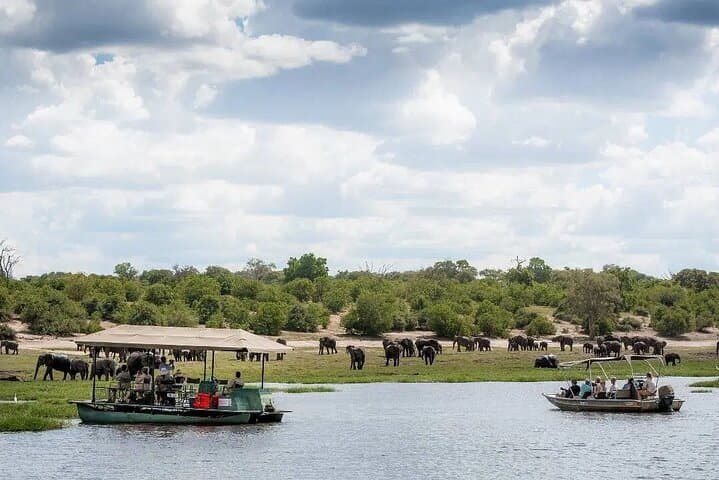
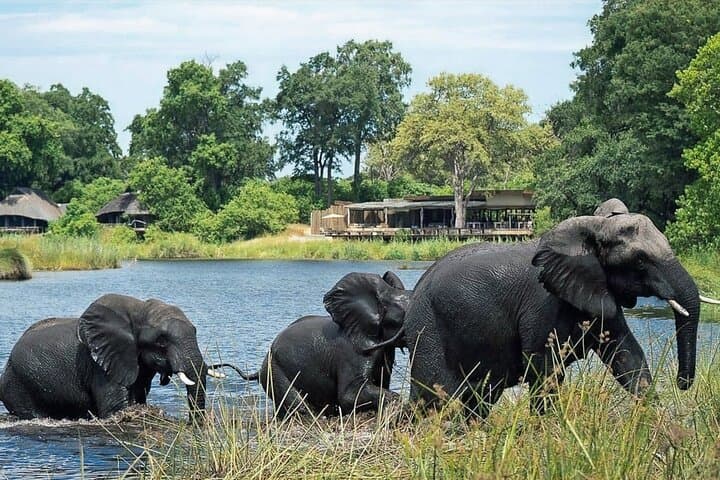
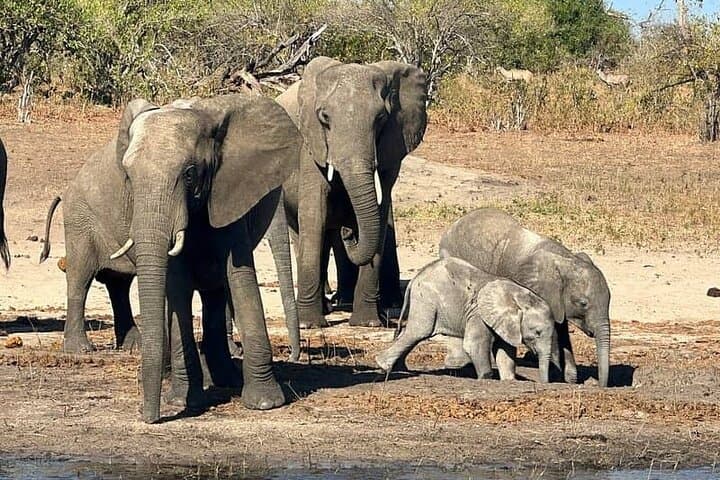
The sun breaks over the Chobe River, and the first silhouettes on the water are trunks and tusks—elephants moving like slow islands through the morning mist. On this full-day Chobe Day Trip from Livingstone, the river takes the lead: a boat pushes out into channels where crocodiles watch from sun-slick banks and hippos grumble beneath the surface, then the land opens into tawny floodplains where lions and herds move with deliberate purpose.
The sun breaks over the Chobe River, and the first silhouettes on the water are trunks and tusks—elephants moving like slow islands through the morning mist. On this full-day Chobe Day Trip from Livingstone, the river takes the lead: a boat pushes out into channels where crocodiles watch from sun-slick banks and hippos grumble beneath the surface, then the land opens into tawny floodplains where lions and herds move with deliberate purpose.
Geology here is simple and dramatic: the river carved a shallow floodplain that swells in the wet season and tightens into exposed pans in the dry months, concentrating wildlife. Chobe National Park, created in the 1960s, protects one of Africa’s largest elephant populations and sits at a cultural crossroads where Tswana and Lozi communities have long used river routes for trade and sustenance.
Expect a morning river safari focused on birdlife and riverside mammals, a five-course lunch at Chobe Safari Lodge, then an afternoon game drive across park roads that can range from compact dirt to corrugated sections. Wildlife viewing is best in the dry season when animals gather at water; the wet season brings lush birdlife and dramatic skies.
Practicalities: the day is roughly 11 hours including border crossing—carry original passports with at least six months validity, camera gear with a long lens (200–400mm preferred), sun protection, and local currency for tipping or crafts. Tours include park fees, bottled water, and transfers from Livingstone. Move slowly on the river and keep a respectful distance on land—wildlife here sets the pace and the traveler follows.