THE ADVENTURE COLLECTIVE® · Independent discovery and booking for outdoor travel

Experience the Chobe River’s wildlife up close on a combined game drive and river cruise from Kasane. This full-day outing pairs shoreline safaris with boat viewing of elephants, buffalo, lions and abundant birdlife.
Experience the Chobe River’s wildlife up close on a combined game drive and river cruise from Kasane. This full-day outing pairs shoreline safaris with boat viewing of elephants, buffalo, lions and abundant birdlife.
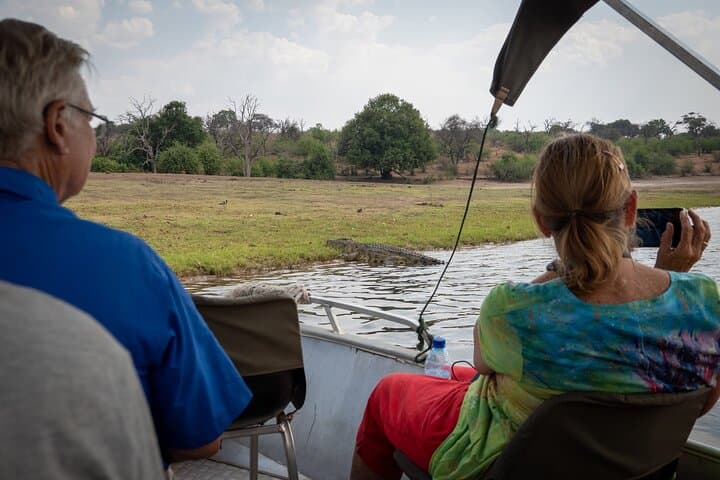
You push through morning mist on the Chobe River as the boat slips past a braided shoreline. An elephant herd benches itself on the opposite bank, trunks probing the water as fish eagles wheel overhead. The river narrows and the floodplain stretches into a broad green sheet; the day feels deliberate and wide.
Verified experiences and guided adventures in the surrounding area.
Operated by Willch Travel And Tours · Kasane, Chobe District
You push through morning mist on the Chobe River as the boat slips past a braided shoreline. An elephant herd benches itself on the opposite bank, trunks probing the water as fish eagles wheel overhead. The river narrows and the floodplain stretches into a broad green sheet; the day feels deliberate and wide.
Chobe National Park, Botswana’s early conservation success, is defined by that seasonal floodplain — a shallow, nutrient-rich expanse that swells in the rains and concentrates game in the dry months. The park’s geology is simple: alluvial plains carved by river pulses, creating islands and channels that shift year to year. Local communities in Kasane and nearby villages have long worked with the river economy, from small-scale fishing to guiding visitors on the water.
Practically, expect a combined schedule: about a two-hour shoreline game drive and a river cruise, packaged into a roughly 10-hour day including transfers. Mornings and late afternoons are peak windows for sightings; mid-day light flattens contrast. Bring binoculars, layered clothing for cool starts, sun protection, and your passport — many itineraries cross borders or operate close to international checkpoints. Guides handle logistics and park fees, but be prepared to follow strict wildlife etiquette: no sudden approaches, no leaving the boat without permission, and keep camera zooms ready rather than stepping closer.
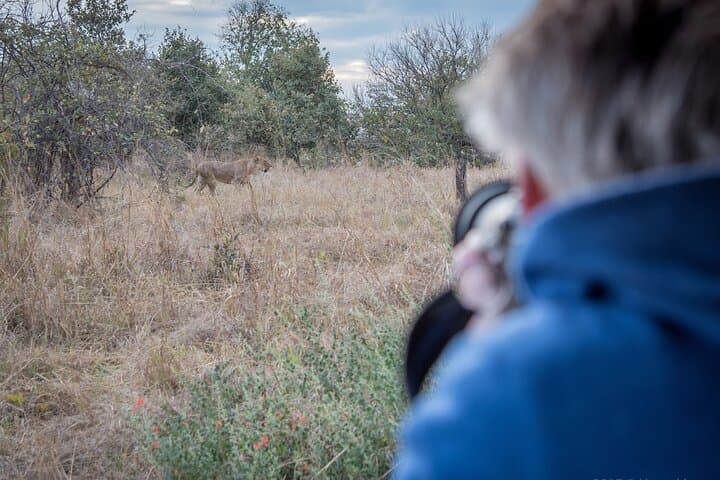
This is an easy, immersive safari option for travelers who want close river encounters and dense wildlife viewing without multi-day camping. It rewards patient observation: elephants that test the water’s edge, lions that track grazing herds, and a river that keeps daring you nearer.
easy.
10 hours.
Suitable for most fitness levels—activity is vehicle- and boat-based with short, optional walks
Yes — an original passport is required; visa rules depend on your nationality and departure point (e.g., Botswana/Zambia border crossings). Check entry requirements with your operator before travel.
Typical inclusions are park fees, a game drive, a river cruise, lunch, and transportation in an air-conditioned vehicle; confirm specifics on booking.
Expect about a two-hour safari drive along the riverbanks and a river cruise as part of a roughly 10-hour full-day itinerary including transfers.
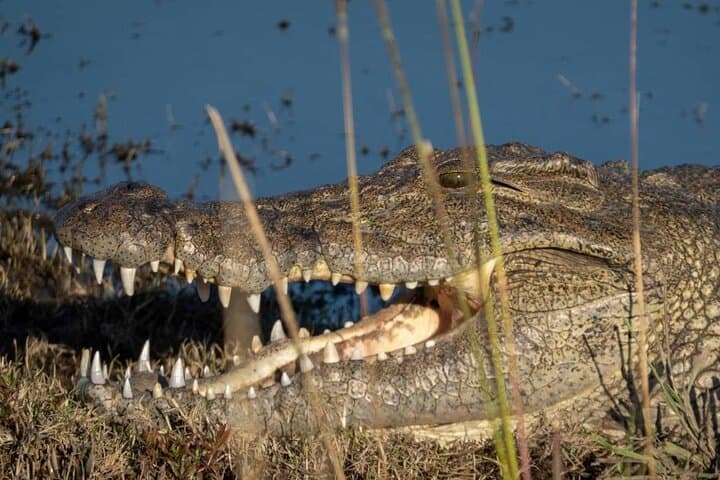
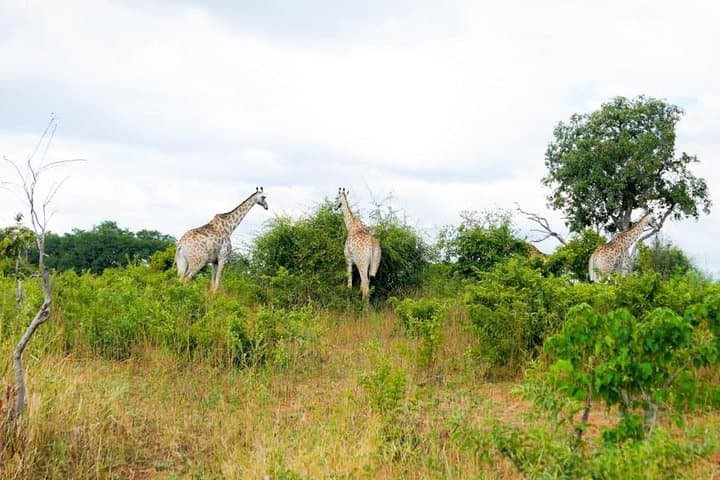
High chances of seeing elephants, buffalo, giraffe, zebra, impala, baboons and a good variety of waterbirds; lions and leopards are present but sightings are less predictable.
Chobe National Park was one of Botswana’s earliest protected areas and grew in importance as a refuge on the Chobe River floodplain, attracting high game densities.
Conservation here focuses on managing water-dependent habitats and mitigating human-wildlife conflict; visitors are encouraged to follow leave-no-trace practices and support local community initiatives.
Willch Travel And Tours operates guided outdoor trips and adventures with an emphasis on safety, stewardship, and memorable experiences.
You push through morning mist on the Chobe River as the boat slips past a braided shoreline. An elephant herd benches itself on the opposite bank, trunks probing the water as fish eagles wheel overhead. The river narrows and the floodplain stretches into a broad green sheet; the day feels deliberate and wide.
You push through morning mist on the Chobe River as the boat slips past a braided shoreline. An elephant herd benches itself on the opposite bank, trunks probing the water as fish eagles wheel overhead. The river narrows and the floodplain stretches into a broad green sheet; the day feels deliberate and wide.
Chobe National Park, Botswana’s early conservation success, is defined by that seasonal floodplain — a shallow, nutrient-rich expanse that swells in the rains and concentrates game in the dry months. The park’s geology is simple: alluvial plains carved by river pulses, creating islands and channels that shift year to year. Local communities in Kasane and nearby villages have long worked with the river economy, from small-scale fishing to guiding visitors on the water.
Practically, expect a combined schedule: about a two-hour shoreline game drive and a river cruise, packaged into a roughly 10-hour day including transfers. Mornings and late afternoons are peak windows for sightings; mid-day light flattens contrast. Bring binoculars, layered clothing for cool starts, sun protection, and your passport — many itineraries cross borders or operate close to international checkpoints. Guides handle logistics and park fees, but be prepared to follow strict wildlife etiquette: no sudden approaches, no leaving the boat without permission, and keep camera zooms ready rather than stepping closer.
This is an easy, immersive safari option for travelers who want close river encounters and dense wildlife viewing without multi-day camping. It rewards patient observation: elephants that test the water’s edge, lions that track grazing herds, and a river that keeps daring you nearer.