THE ADVENTURE COLLECTIVE® · Independent discovery and booking for outdoor travel

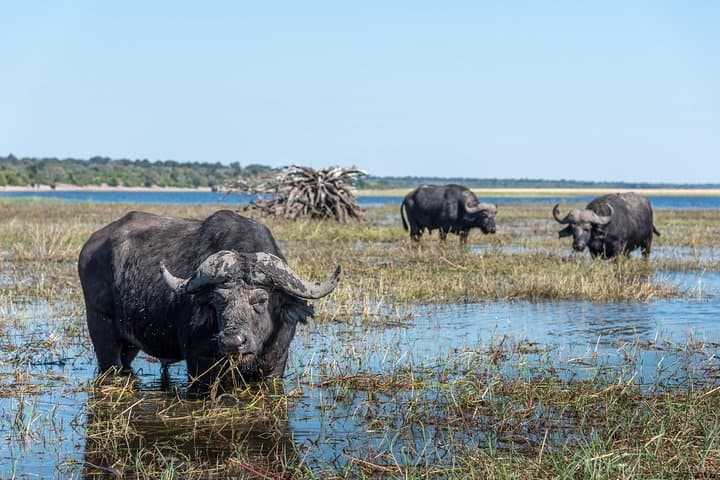
A full‑day loop from Livingstone combining a three‑hour river safari on the Chobe River with a three‑hour game drive. Expect close elephant and buffalo sightings, a buffet lunch, and straightforward logistics for family groups.
A full‑day loop from Livingstone combining a three‑hour river safari on the Chobe River with a three‑hour game drive. Expect close elephant and buffalo sightings, a buffet lunch, and straightforward logistics for family groups.
You step onto the river as the sun slants across copper water, and the Chobe River seems to push you forward toward a parade of elephants crossing with slow, deliberate authority.
Verified experiences and guided adventures in the surrounding area.
Operated by Nekacheya Travel And Tours · Livingstone, Southern Province
You step onto the river as the sun slants across copper water, and the Chobe River seems to push you forward toward a parade of elephants crossing with slow, deliberate authority.
This day trip from Livingstone pairs a three‑hour river safari on the Chobe with a three‑hour game drive through riverine floodplains; transfers and lunch make the outing a full‑day loop of roughly ten hours. Geologically the area is a low, alluvial plain where seasonal floods deposit silt and feed dense stands of ebony and jackalberry trees—perfect cover for large mammals and prolific birdlife.
Culturally the borderlands around Chobe and Livingstone are inhabited by Tonga and Tswana communities with fishing and river trade histories; colonial-era routes shaped Kasane and the riverside settlements you’ll pass. On the river, hippos dare you to keep your distance while elephants and buffalo frequent the floodplain; on land, dry season tracks reveal predators and grazers attracted to remaining waterholes.
Practical guidance: expect basic but hearty buffet lunch, mixed‑group boats, and open‑air vehicles for the drive. Carry original passports (children need birth certificates and parental consent), waterproof layers for splash and wind, sunscreen, binoculars and a camera with a 200mm+ lens. Peak wildlife sightings are in the dry season (May–Oct) when animals concentrate near water; the wet season offers lush scenery and abundant birds but softer tracks.
Plan for early pickup, moderate sitting and short walks; keep small cash for tips and purchases. The Chobe Day Trip is straightforward—high on wildlife access, low on technical demand, and rich in riverine drama.
easy.
10 hours.
Suitable for most fitness levels; requires sitting for transfers, boarding small boats and short, easy walks
Visa requirements depend on your nationality—check in advance; you must carry your passport and any required visas for crossing the border.
Yes; children under 18 must carry their birth certificate and a parental consent letter permitting travel into Botswana.
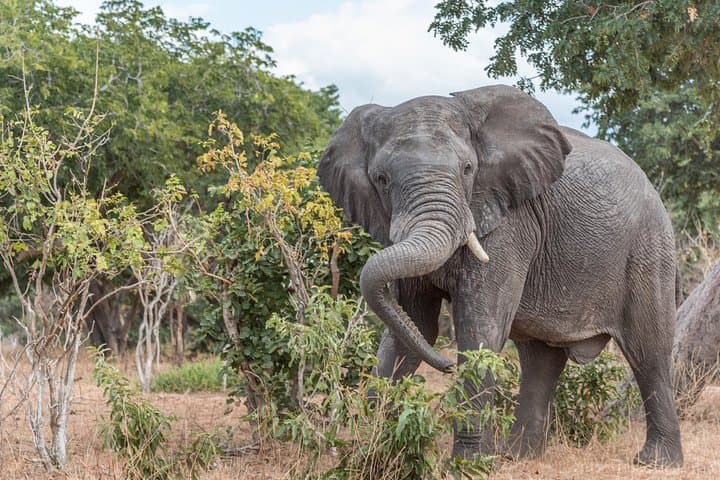
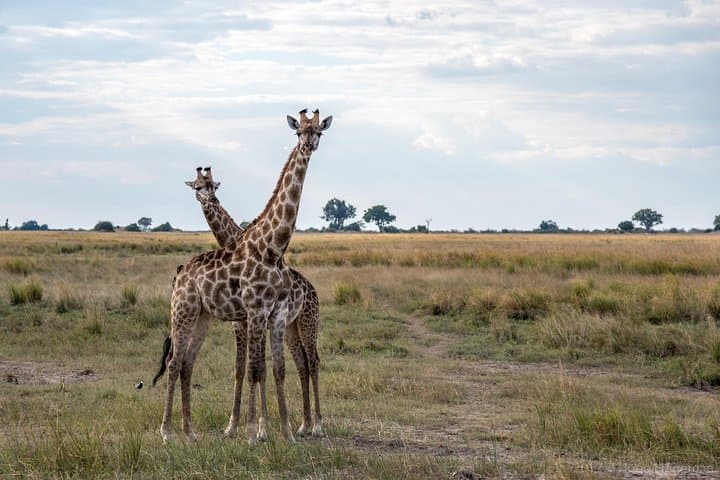
Common sightings include elephant herds, buffalo, hippo, various antelope species, and abundant riverine birds; predators are possible but less guaranteed.
The trip typically includes transfers, entry fees, a three‑hour river safari, three‑hour game drive, and a buffet lunch; confirm specifics with the operator.
The Chobe corridor has long been a trade and fishing zone for riverine communities; colonial transport routes later established Kasane as a gateway town.
Chobe National Park uses controlled tourism to fund anti‑poaching and habitat protection; visitors are asked to follow distance guidelines to reduce stress on wildlife.
Nekacheya Travel And Tours operates guided outdoor trips and adventures with an emphasis on safety, stewardship, and memorable experiences.
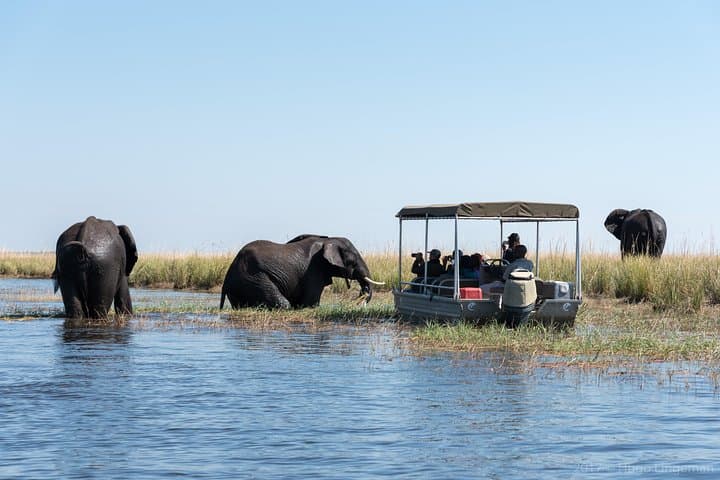
You step onto the river as the sun slants across copper water, and the Chobe River seems to push you forward toward a parade of elephants crossing with slow, deliberate authority.
You step onto the river as the sun slants across copper water, and the Chobe River seems to push you forward toward a parade of elephants crossing with slow, deliberate authority.
This day trip from Livingstone pairs a three‑hour river safari on the Chobe with a three‑hour game drive through riverine floodplains; transfers and lunch make the outing a full‑day loop of roughly ten hours. Geologically the area is a low, alluvial plain where seasonal floods deposit silt and feed dense stands of ebony and jackalberry trees—perfect cover for large mammals and prolific birdlife.
Culturally the borderlands around Chobe and Livingstone are inhabited by Tonga and Tswana communities with fishing and river trade histories; colonial-era routes shaped Kasane and the riverside settlements you’ll pass. On the river, hippos dare you to keep your distance while elephants and buffalo frequent the floodplain; on land, dry season tracks reveal predators and grazers attracted to remaining waterholes.
Practical guidance: expect basic but hearty buffet lunch, mixed‑group boats, and open‑air vehicles for the drive. Carry original passports (children need birth certificates and parental consent), waterproof layers for splash and wind, sunscreen, binoculars and a camera with a 200mm+ lens. Peak wildlife sightings are in the dry season (May–Oct) when animals concentrate near water; the wet season offers lush scenery and abundant birds but softer tracks.
Plan for early pickup, moderate sitting and short walks; keep small cash for tips and purchases. The Chobe Day Trip is straightforward—high on wildlife access, low on technical demand, and rich in riverine drama.