THE ADVENTURE COLLECTIVE® · Independent discovery and booking for outdoor travel

A full-day safari that pairs Kasane river cruising with riverside game drives, the Chobe Day Trip offers near-certain sightings of elephants, buffalo and other big-game in one of southern Africa’s richest wildlife corridors. Practical, accessible, and ideal for visitors based in Livingstone.
A full-day safari that pairs Kasane river cruising with riverside game drives, the Chobe Day Trip offers near-certain sightings of elephants, buffalo and other big-game in one of southern Africa’s richest wildlife corridors. Practical, accessible, and ideal for visitors based in Livingstone.
You step off the vehicle into a heat-thickened air where the Chobe River cuts a bright, reflective line through dry mopane woodland. Boats idle like patient animals at the riverbank; a line of elephants pauses at the water’s edge, trunks probing, daring you to get closer. The day unfolds as a rhythm of water and land: a morning crossing from Livingstone, a border hop into Kasane, and a guided river cruise that puts you eye-to-eye with the region’s famously dense elephant herds.
Verified experiences and guided adventures in the surrounding area.
Operated by Ramjet Safaris · Kasane, Chobe District
You step off the vehicle into a heat-thickened air where the Chobe River cuts a bright, reflective line through dry mopane woodland. Boats idle like patient animals at the riverbank; a line of elephants pauses at the water’s edge, trunks probing, daring you to get closer. The day unfolds as a rhythm of water and land: a morning crossing from Livingstone, a border hop into Kasane, and a guided river cruise that puts you eye-to-eye with the region’s famously dense elephant herds.
Geology here is intimate and horizontal — ancient Kalahari sands and alluvial deposits that shape seasonal islands and channels. Chobe National Park, created in the 1960s, grew from colonial hunting reserves into one of Botswana’s oldest protected areas; its history is tied to cross-border trade and the lifeblood of the Zambezi and Chobe rivers. Local culture around Kasane and Livingstone blends Tonga and Lozi influences; small riverside settlements have long relied on fishing and seasonal floodplain grazing.
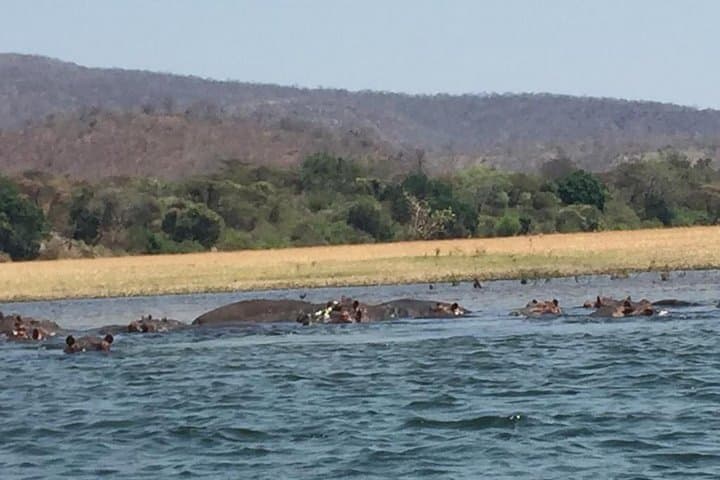
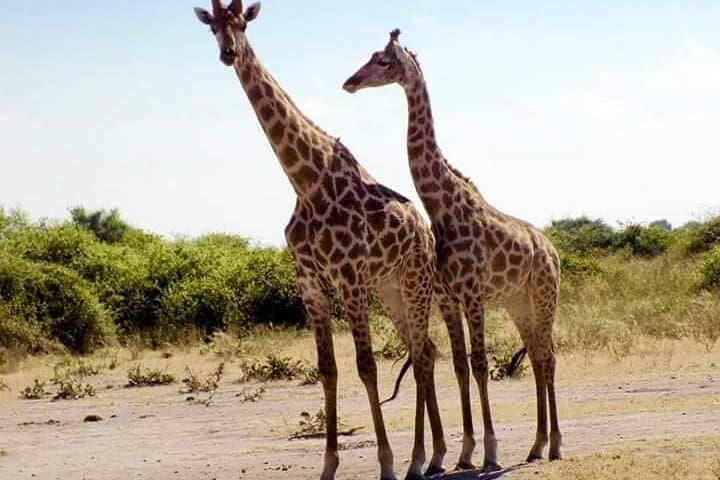
Practically, this is a full-day, low-impact safari: expect a mix of short drives and a multi-hour boat cruise, binoculars and sunscreen in hand. Wildlife viewing is close and patient — hippos will grunt, crocodiles will sun themselves like ancient logs, and elephant families will move with deliberate intent. Guides time the cruise for light and animal activity; mornings and late afternoons are best for sighting the Big Five. Bring a lightweight layer for breezy river crossings, hydrate, and keep cameras ready: the river demands attention and rewards it.
easy.
8 hours.
Suitable for most fitness levels; involves short walks and sitting on boats for several hours
Visa requirements depend on your nationality; many visitors use a day permit at border posts, but check current regulations before travel.
Chobe has high concentrations of elephants and buffalo and regular sightings of lions and leopards, but wildlife encounters can't be absolutely guaranteed—guides maximize sightings by timing and route.
Yes—operators typically provide infant seats and boats are safe for families, but infants may be required to sit on laps and life jackets are provided.
Carry water, sunscreen, hat, light layers for morning/evening, any necessary travel documents for border crossing, and some local currency for souvenirs or tipping.
Chobe National Park was formally protected in the 1960s as local and national authorities moved to conserve elephant and riverine habitats long used by regional communities.
Tourism revenue supports anti-poaching and community programs; stick to established routes and follow guides’ rules to minimize disturbance to sensitive river habitats.
Ramjet Safaris operates guided outdoor trips and adventures with an emphasis on safety, stewardship, and memorable experiences.


You step off the vehicle into a heat-thickened air where the Chobe River cuts a bright, reflective line through dry mopane woodland. Boats idle like patient animals at the riverbank; a line of elephants pauses at the water’s edge, trunks probing, daring you to get closer. The day unfolds as a rhythm of water and land: a morning crossing from Livingstone, a border hop into Kasane, and a guided river cruise that puts you eye-to-eye with the region’s famously dense elephant herds.
You step off the vehicle into a heat-thickened air where the Chobe River cuts a bright, reflective line through dry mopane woodland. Boats idle like patient animals at the riverbank; a line of elephants pauses at the water’s edge, trunks probing, daring you to get closer. The day unfolds as a rhythm of water and land: a morning crossing from Livingstone, a border hop into Kasane, and a guided river cruise that puts you eye-to-eye with the region’s famously dense elephant herds.
Geology here is intimate and horizontal — ancient Kalahari sands and alluvial deposits that shape seasonal islands and channels. Chobe National Park, created in the 1960s, grew from colonial hunting reserves into one of Botswana’s oldest protected areas; its history is tied to cross-border trade and the lifeblood of the Zambezi and Chobe rivers. Local culture around Kasane and Livingstone blends Tonga and Lozi influences; small riverside settlements have long relied on fishing and seasonal floodplain grazing.
Practically, this is a full-day, low-impact safari: expect a mix of short drives and a multi-hour boat cruise, binoculars and sunscreen in hand. Wildlife viewing is close and patient — hippos will grunt, crocodiles will sun themselves like ancient logs, and elephant families will move with deliberate intent. Guides time the cruise for light and animal activity; mornings and late afternoons are best for sighting the Big Five. Bring a lightweight layer for breezy river crossings, hydrate, and keep cameras ready: the river demands attention and rewards it.