THE ADVENTURE COLLECTIVE® · Independent discovery and booking for outdoor travel

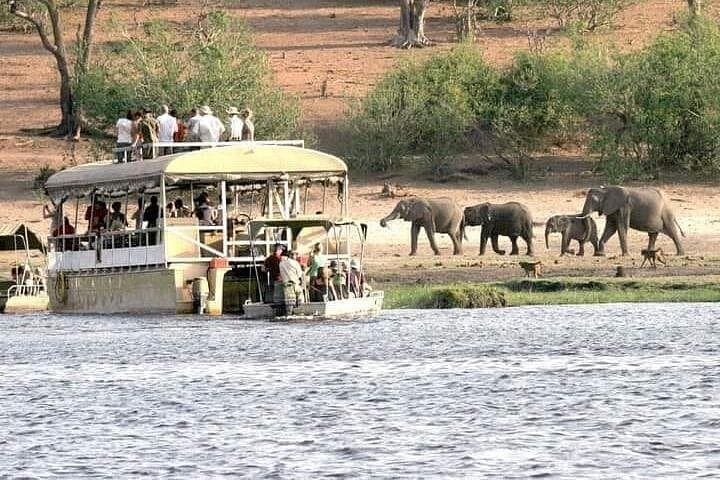
A focused 60‑minute river cruise on the Chobe brings you close to hippos, crocodiles and riverbank elephants. Ideal for travelers short on time who want concentrated wildlife viewing with expert guides.
A focused 60‑minute river cruise on the Chobe brings you close to hippos, crocodiles and riverbank elephants. Ideal for travelers short on time who want concentrated wildlife viewing with expert guides.
The boat slips away from the bank and the river takes the lead — currents nudging you past shallow sandbars while a close cluster of hippos yawns and grumbles as if to test your resolve.
Verified experiences and guided adventures in the surrounding area.
Operated by Tour All Africa · Kasane, Chobe District
The boat slips away from the bank and the river takes the lead — currents nudging you past shallow sandbars while a close cluster of hippos yawns and grumbles as if to test your resolve.
On a Chobe Day Trip you spend roughly 60 minutes on the river, close enough to hear the snort of hippos and to pick out the flash of a crocodile’s eye. The waterway sculpts the landscape here: seasonal flooding fills the alluvial plain, creating reedbeds and islands that attract water birds and elephants that come to drink. Geologically the area is dominated by Kalahari sands and riverine alluvium, producing broad, flat banks punctuated by mopane and riverine acacia.
The region has long been a crossroads — local river communities, historic trade routes across the Chobe floodplains, and modern park management all shape the experience. Guides draw on conservation rules and cultural knowledge to point out nesting sites, migratory patterns and stories about the river.
Practically: this is an easy, short cruise suited to most travelers. Bring a camera with a mid-telephoto lens or binoculars, sun protection, and insect repellent. Morning and late afternoon runs concentrate wildlife at the water’s edge and offer the best light for photos. Expect modest boat motion; keep shoes grip-ready and follow your guide’s distance rules around animals. Carry passport/visa documents if your itinerary crosses borders, and respect Chobe’s conservation rules by keeping noise and waste to a minimum. This compact outing is a concentrated wildlife encounter — brief, immersive, and best when combined with longer park visits for a fuller sense of the landscape.
easy.
1 hour.
Suitable for most fitness levels; requires only ability to step on/off a small boat and sit or stand for the cruise.
This Chobe river cruise is about 60 minutes long as advertised, designed for concentrated wildlife viewing from the boat.
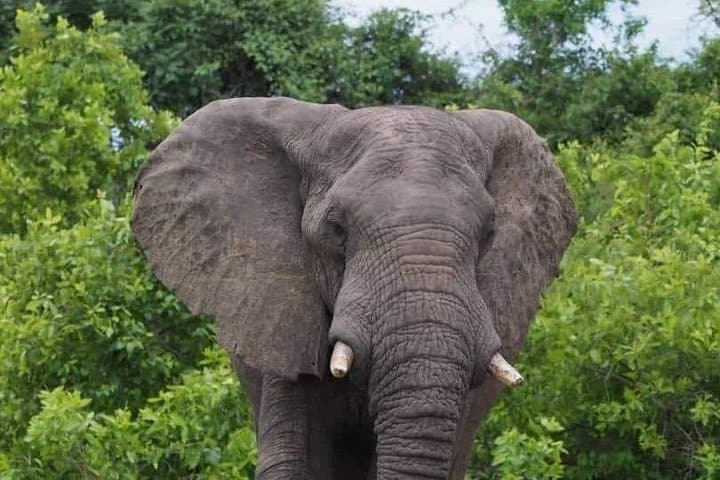
You can often see elephants and other large mammals coming to the riverbank, particularly in the dry season when water concentrates wildlife.
Yes — the activity is classified as easy; children and older guests can participate but should follow guide instructions when boarding and near the water.
Yes — carry your passport and check visa requirements, especially if the itinerary involves cross-border transfers between Botswana, Zambia or Zimbabwe.
The Chobe floodplain has supported riverine communities and trade routes for centuries; colonial-era park formation later focused protections around key water sources.
Chobe National Park management emphasizes low-impact viewing and limits on boat numbers to reduce disturbance; support local guides and avoid littering to lessen your footprint.
Tour All Africa operates guided outdoor trips and adventures with an emphasis on safety, stewardship, and memorable experiences.
The boat slips away from the bank and the river takes the lead — currents nudging you past shallow sandbars while a close cluster of hippos yawns and grumbles as if to test your resolve.
The boat slips away from the bank and the river takes the lead — currents nudging you past shallow sandbars while a close cluster of hippos yawns and grumbles as if to test your resolve.
On a Chobe Day Trip you spend roughly 60 minutes on the river, close enough to hear the snort of hippos and to pick out the flash of a crocodile’s eye. The waterway sculpts the landscape here: seasonal flooding fills the alluvial plain, creating reedbeds and islands that attract water birds and elephants that come to drink. Geologically the area is dominated by Kalahari sands and riverine alluvium, producing broad, flat banks punctuated by mopane and riverine acacia.
The region has long been a crossroads — local river communities, historic trade routes across the Chobe floodplains, and modern park management all shape the experience. Guides draw on conservation rules and cultural knowledge to point out nesting sites, migratory patterns and stories about the river.
Practically: this is an easy, short cruise suited to most travelers. Bring a camera with a mid-telephoto lens or binoculars, sun protection, and insect repellent. Morning and late afternoon runs concentrate wildlife at the water’s edge and offer the best light for photos. Expect modest boat motion; keep shoes grip-ready and follow your guide’s distance rules around animals. Carry passport/visa documents if your itinerary crosses borders, and respect Chobe’s conservation rules by keeping noise and waste to a minimum. This compact outing is a concentrated wildlife encounter — brief, immersive, and best when combined with longer park visits for a fuller sense of the landscape.