THE ADVENTURE COLLECTIVE® · Independent discovery and booking for outdoor travel

Short, concentrated and intentional: this 2-night Chitwan tour pairs dawn canoeing and jeep safaris with visits to elephant and crocodile breeding centers and an evening Tharu dance. Expect rich riverine habitat, wildlife viewing that depends on luck and trackers, and straightforward lodge comforts.
Short, concentrated and intentional: this 2-night Chitwan tour pairs dawn canoeing and jeep safaris with visits to elephant and crocodile breeding centers and an evening Tharu dance. Expect rich riverine habitat, wildlife viewing that depends on luck and trackers, and straightforward lodge comforts.
You step off the bus into humid air threaded with river smells and the distant clatter of crocodiles along the Rapti. Tall sal trees lean over muddy tracks; birds quarrel in the canopy while elephants, patient and massive, graze near the lodges. The park feels alive in a blunt, physical way—the river dares you to slow down, the grass pushes at your ankles.
Verified experiences and guided adventures in the surrounding area.
Operated by Sunshine Travel Agency · Sauraha, Bagmati Province
You step off the bus into humid air threaded with river smells and the distant clatter of crocodiles along the Rapti. Tall sal trees lean over muddy tracks; birds quarrel in the canopy while elephants, patient and massive, graze near the lodges. The park feels alive in a blunt, physical way—the river dares you to slow down, the grass pushes at your ankles.
Chitwan National Park, established in 1973 and a UNESCO site since 1984, sits on the Terai plain where Himalayan sediments meet alluvial floodplains. The landscape is river-cut and flat, the soil rich and prone to seasonal swamps. Local Tharu communities have farmed these margins for generations; their dances and crafts are part of any sensible visit and provide cultural context to the wildlife work here.
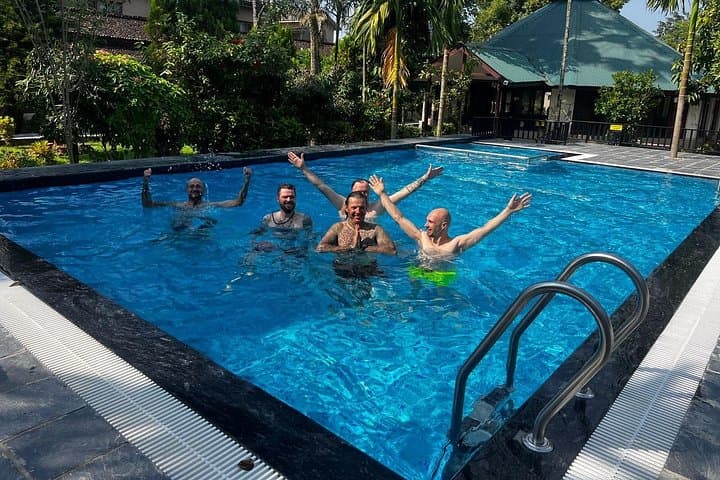
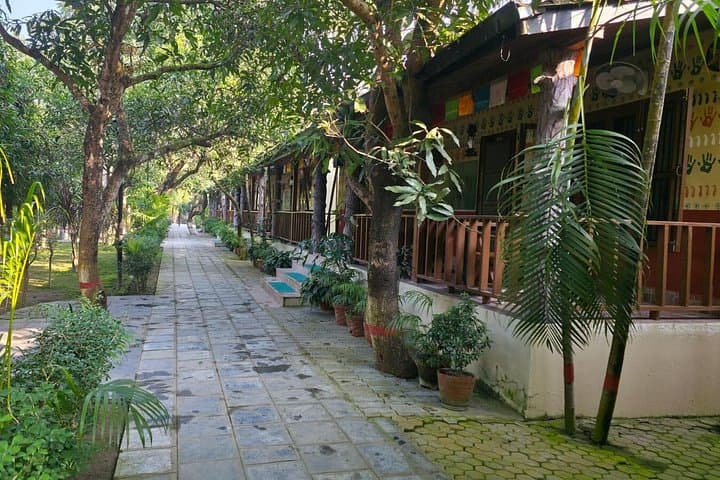
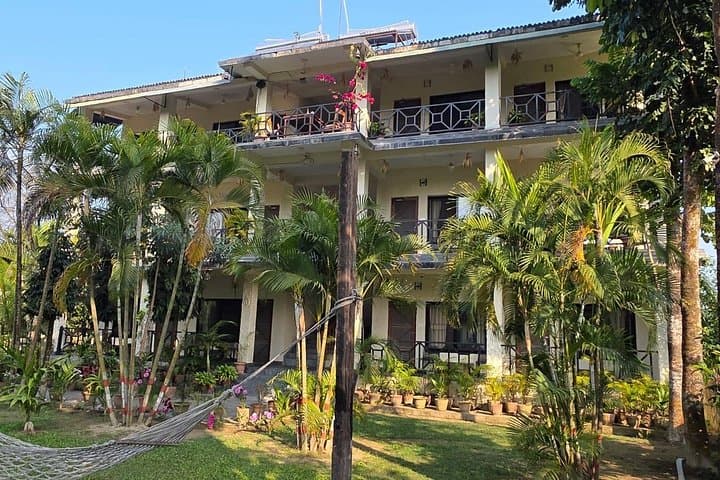
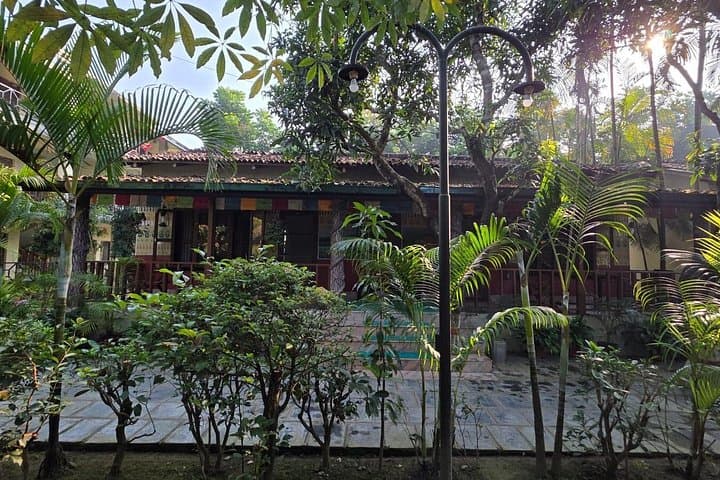
Practically, this 2-night program compresses morning canoe birding, a guided jungle walk, and a 3–4 hour jeep safari with stops at crocodile and elephant-breeding centers. Dawn is best for bird and rhino sightings; tiger tracking is opportunistic and depends on recent signs and expert trackers. Expect basic 3-star lodge accommodations with meals included, and multi-hour road transfers from Kathmandu or Pokhara.
Pack breathable layers, insect protection, and durable footwear. Move quietly on walks, follow guides’ instructions around wildlife, and keep camera gear ready but secure. The experience balances ease—vehicle transfers and meals provided—with unpredictable, white-knuckle encounters in open grasslands and river channels. For travelers wanting close-up wildlife in a short window, this itinerary is a concentrated, practical option.
moderate.
2–3 days.
Moderate fitness for short jungle walks and multi-hour jeep rides; able to board small boats and walk on uneven ground.
Most itineraries include bus transfers from Kathmandu or Pokhara; expect a 5–6 hour drive from Kathmandu and a similar duration from Pokhara depending on road conditions.
No—tiger sightings are rare and never guaranteed; trackers use fresh signs to guide searches, but the tour focuses on overall wildlife viewing including rhino, deer and birds.
The program involves long drives and some walking; it’s not recommended for very young children, pregnant travelers, or those with serious back or heart conditions.
Yes—this 2-night package includes 3-star lodge accommodation and meals as stated in the itinerary, plus activities listed like canoe rides and jeep safaris.
Chitwan became Nepal’s first national park in 1973 to protect lowland ecosystems and was named a UNESCO World Heritage Site in 1984; Tharu communities have long shared this landscape.
Conservation here blends anti-poaching patrols with community-based tourism; supporting local guides and cultural programs helps fund protection and livelihoods.
Sunshine Travel Agency operates guided outdoor trips and adventures with an emphasis on safety, stewardship, and memorable experiences.
You step off the bus into humid air threaded with river smells and the distant clatter of crocodiles along the Rapti. Tall sal trees lean over muddy tracks; birds quarrel in the canopy while elephants, patient and massive, graze near the lodges. The park feels alive in a blunt, physical way—the river dares you to slow down, the grass pushes at your ankles.
You step off the bus into humid air threaded with river smells and the distant clatter of crocodiles along the Rapti. Tall sal trees lean over muddy tracks; birds quarrel in the canopy while elephants, patient and massive, graze near the lodges. The park feels alive in a blunt, physical way—the river dares you to slow down, the grass pushes at your ankles.
Chitwan National Park, established in 1973 and a UNESCO site since 1984, sits on the Terai plain where Himalayan sediments meet alluvial floodplains. The landscape is river-cut and flat, the soil rich and prone to seasonal swamps. Local Tharu communities have farmed these margins for generations; their dances and crafts are part of any sensible visit and provide cultural context to the wildlife work here.
Practically, this 2-night program compresses morning canoe birding, a guided jungle walk, and a 3–4 hour jeep safari with stops at crocodile and elephant-breeding centers. Dawn is best for bird and rhino sightings; tiger tracking is opportunistic and depends on recent signs and expert trackers. Expect basic 3-star lodge accommodations with meals included, and multi-hour road transfers from Kathmandu or Pokhara.
Pack breathable layers, insect protection, and durable footwear. Move quietly on walks, follow guides’ instructions around wildlife, and keep camera gear ready but secure. The experience balances ease—vehicle transfers and meals provided—with unpredictable, white-knuckle encounters in open grasslands and river channels. For travelers wanting close-up wildlife in a short window, this itinerary is a concentrated, practical option.