THE ADVENTURE COLLECTIVE® · Independent discovery and booking for outdoor travel

A compact 2-night, 3-day wildlife immersion in Chitwan National Park featuring canoe trips, jeep safaris and Tharu cultural programs. Ideal for wildlife viewing—especially rhinos and birds—at dawn and dusk.
A compact 2-night, 3-day wildlife immersion in Chitwan National Park featuring canoe trips, jeep safaris and Tharu cultural programs. Ideal for wildlife viewing—especially rhinos and birds—at dawn and dusk.
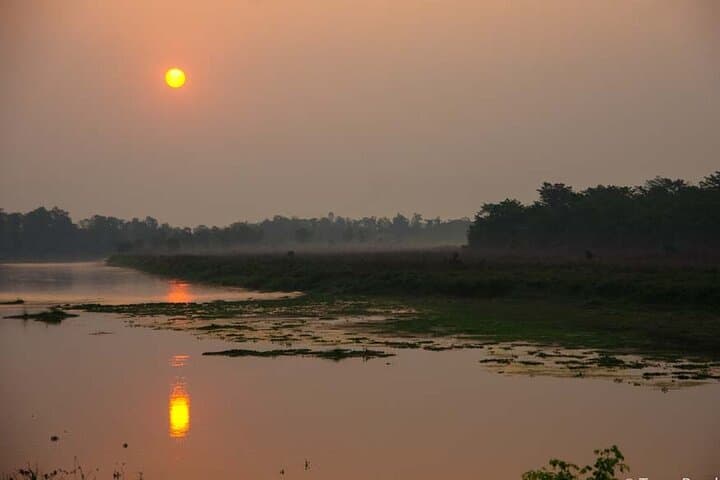
Morning mist lifts off the Rapti River as a dugout canoe slips past reed beds, the guide whispering over a binocular-pointed shoulder. The flat Terai floodplain opens into tall sal and riverine forest; birds call from the canopy and distant hoof beats mark the presence of one-horned rhinos.
Verified experiences and guided adventures in the surrounding area.
Operated by Himalayan Partner Treks and Expedition · Sauraha, Bagmati Province
Morning mist lifts off the Rapti River as a dugout canoe slips past reed beds, the guide whispering over a binocular-pointed shoulder. The flat Terai floodplain opens into tall sal and riverine forest; birds call from the canopy and distant hoof beats mark the presence of one-horned rhinos.
Chitwan National Park, created in 1973 and named a UNESCO World Heritage Site in 1984, protects lowland Nepal’s river channels, grasslands and forest—habitat that supports Bengal tiger, greater one-horned rhinoceros, gharial and hundreds of bird species. The landscape is recent alluvium shaped by the Narayani and Rapti rivers; expect sandy trails, grassy glades and seasonally flooded pockets rather than steep climbs.
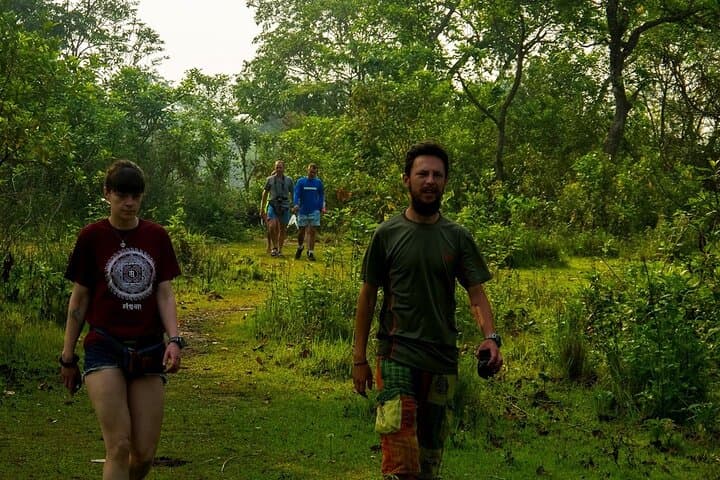
Cultural threads run close: the Tharu people have lived here for generations and local programs showcase their music, crafts and relationship to the land. A visit usually mixes gentle jungle walks (2–6 km), early-morning canoe trips, a jeep or bicycle safari across wildlife corridors, and a look at the Elephant Breeding Center.
Practical notes: wildlife activity peaks at dawn and dusk—plan early starts. Trails are short and largely flat, but heat, mosquitoes and unpredictable weather matter: bring water, insect protection and quick-drying layers. Respect park rules and maintain distance from animals; professional guides and park permits are required for all excursions.
Across two nights and three days you’ll trade altitude for close-up wildlife watching, cultural exchange and riverborne birding—an accessible, sensory immersion in Nepal’s lowland wilds.
easy.
2–3 days.
Suitable for travelers who can walk short flat trails (2–6 km) and tolerate early starts; no sustained fitness required.
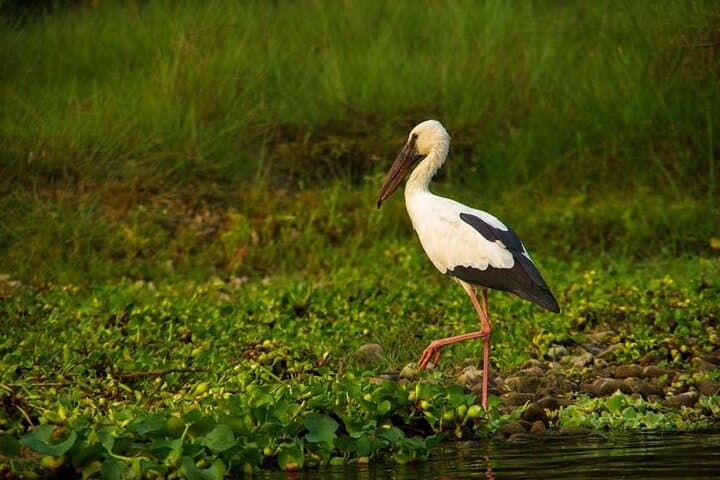
Common sightings include greater one-horned rhinoceros, barasingha, spotted deer, numerous waterbirds and occasionally tiger signs; tiger sightings are possible but rare and depend on luck and timing.
Yes—activities are led by trained guides who enforce safe distances and park rules; avoid approaching or feeding animals and follow guide instructions at all times.
Most safaris include park permits and a park-authorized guide; confirm inclusions at booking as arrangements vary by operator and package.
Many operators accept children, but early starts and boat rides may be challenging—check age restrictions and safety provisions when booking.
Chitwan was established as Nepal’s first national park in 1973 to protect endangered lowland species and forest habitat; it became a UNESCO World Heritage Site in 1984.
Community-based anti-poaching patrols and elephant management programs are active here; visitors can minimize impact by staying on trails, avoiding single-use plastics and supporting locally run lodges.
Himalayan Partner Treks and Expedition operates guided outdoor trips and adventures with an emphasis on safety, stewardship, and memorable experiences.

Morning mist lifts off the Rapti River as a dugout canoe slips past reed beds, the guide whispering over a binocular-pointed shoulder. The flat Terai floodplain opens into tall sal and riverine forest; birds call from the canopy and distant hoof beats mark the presence of one-horned rhinos.
Morning mist lifts off the Rapti River as a dugout canoe slips past reed beds, the guide whispering over a binocular-pointed shoulder. The flat Terai floodplain opens into tall sal and riverine forest; birds call from the canopy and distant hoof beats mark the presence of one-horned rhinos.
Chitwan National Park, created in 1973 and named a UNESCO World Heritage Site in 1984, protects lowland Nepal’s river channels, grasslands and forest—habitat that supports Bengal tiger, greater one-horned rhinoceros, gharial and hundreds of bird species. The landscape is recent alluvium shaped by the Narayani and Rapti rivers; expect sandy trails, grassy glades and seasonally flooded pockets rather than steep climbs.
Cultural threads run close: the Tharu people have lived here for generations and local programs showcase their music, crafts and relationship to the land. A visit usually mixes gentle jungle walks (2–6 km), early-morning canoe trips, a jeep or bicycle safari across wildlife corridors, and a look at the Elephant Breeding Center.
Practical notes: wildlife activity peaks at dawn and dusk—plan early starts. Trails are short and largely flat, but heat, mosquitoes and unpredictable weather matter: bring water, insect protection and quick-drying layers. Respect park rules and maintain distance from animals; professional guides and park permits are required for all excursions.
Across two nights and three days you’ll trade altitude for close-up wildlife watching, cultural exchange and riverborne birding—an accessible, sensory immersion in Nepal’s lowland wilds.