THE ADVENTURE COLLECTIVE® · Independent discovery and booking for outdoor travel

A focused, guided nature walk through Chitwan National Park’s riverine forests and grasslands. Expect quiet trails, birdlife, and interpretive insight into rhino conservation on a 60–120 minute walk.
A focused, guided nature walk through Chitwan National Park’s riverine forests and grasslands. Expect quiet trails, birdlife, and interpretive insight into rhino conservation on a 60–120 minute walk.
Early-morning light slices through tall sal and riverine forest as your guide outlines a route where tracks and calls replace traffic. The walk begins on a compacted trail that snakes from the village edge into Chitwan National Park, and within minutes the soundscape changes—birds call, a distant drumming of a barasingha hooves, and the river moves like a low voice at the park’s edge.
Verified experiences and guided adventures in the surrounding area.
Operated by Peak to Peak Tours and Treks Pvt Ltd · Sauraha, Bagmati Province
Early-morning light slices through tall sal and riverine forest as your guide outlines a route where tracks and calls replace traffic. The walk begins on a compacted trail that snakes from the village edge into Chitwan National Park, and within minutes the soundscape changes—birds call, a distant drumming of a barasingha hooves, and the river moves like a low voice at the park’s edge.
Chitwan was Nepal’s first national park (1973) and earned UNESCO World Heritage status in 1984; its flat Terai plains sit on alluvial deposits from the Narayani and Rapti rivers, producing broad grasslands, riverine forest, and oxbow lakes. The area is also home to Tharu communities whose farming and forest knowledge shape the human landscape visitors pass through.
On a guided 60–120 minute walk expect slow, attentive miles—2–4 km depending on pace—over flat but sometimes muddy terrain. Your guide interprets bird calls, points out pugmarks, and explains conservation efforts for the one-horned rhino and gharial that depend on the river system.
Practical notes: arrive early to avoid heat and mosquitoes, wear closed shoes with grip for muddy sections, bring a light rain layer in monsoon months, and keep voices low to increase wildlife sightings. Park entrance and bottled water are included, and hotel pickup simplifies logistics. The walk is ideal for travelers seeking close-but-safe encounters with Terai wildlife and a compact introduction to Chitwan’s ecology and culture.
easy.
1–2 hours.
Suitable for most fitness levels; requires short, steady walking on flat terrain
The guided walk runs 60–120 minutes and typically covers about 2–4 km depending on pace and sightings.
Yes—entrance fees and a bottled water are included in the tour price according to the listing.
Yes—the route is rated easy and suitable for most fitness levels, but participants should be able to walk on flat trails for up to two hours.
Common sightings include birds, deer species (barasingha, spotted deer), macaques, and fresh pugmarks from larger mammals; rhinos and tigers are possible but sightings are not guaranteed.
Chitwan National Park was established in 1973 to protect Terai ecosystems and became a UNESCO World Heritage site in 1984, anchoring regional conservation efforts.
Community-based programs and anti-poaching patrols have reduced rhino poaching; visitors help by staying on trails and following guide instructions to minimize disturbance.
Peak to Peak Tours and Treks Pvt Ltd operates guided outdoor trips and adventures with an emphasis on safety, stewardship, and memorable experiences.
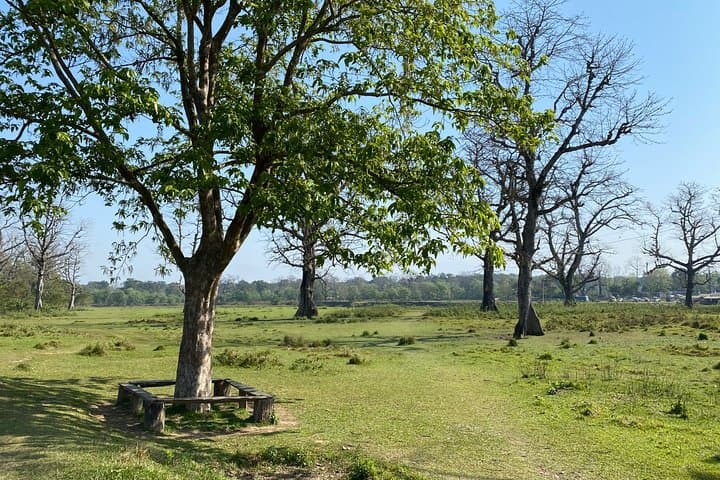
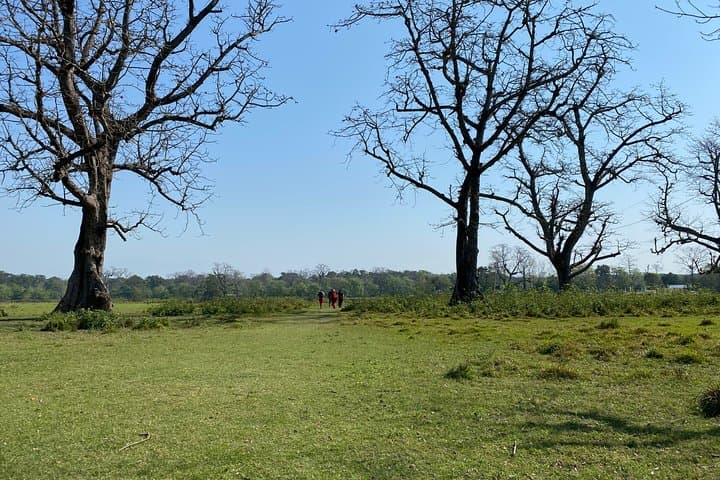
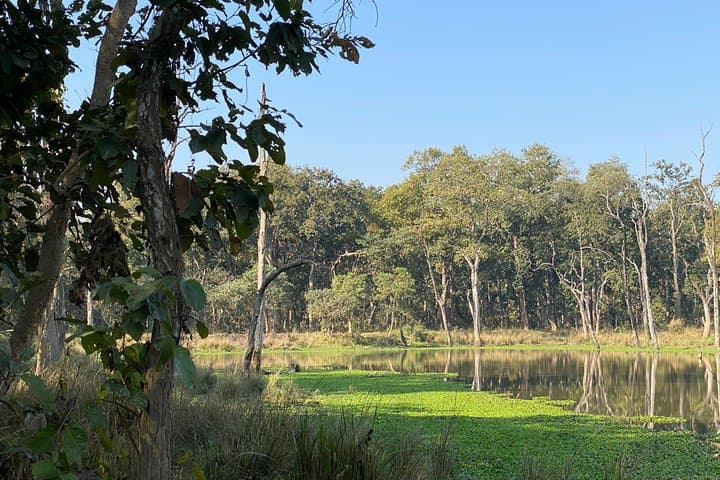
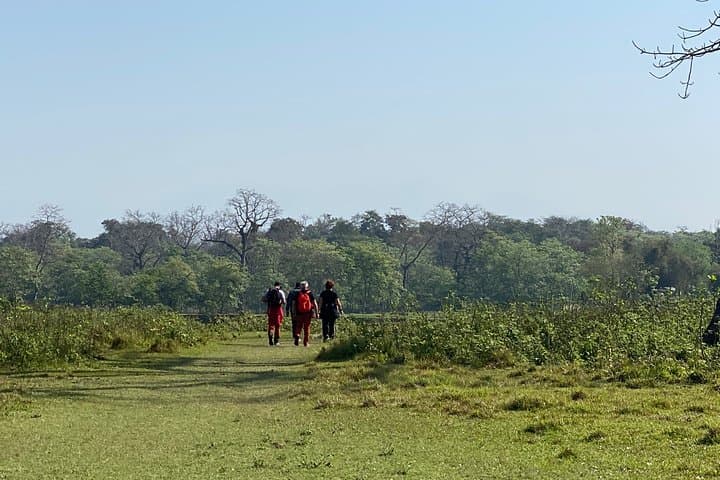
Early-morning light slices through tall sal and riverine forest as your guide outlines a route where tracks and calls replace traffic. The walk begins on a compacted trail that snakes from the village edge into Chitwan National Park, and within minutes the soundscape changes—birds call, a distant drumming of a barasingha hooves, and the river moves like a low voice at the park’s edge.
Early-morning light slices through tall sal and riverine forest as your guide outlines a route where tracks and calls replace traffic. The walk begins on a compacted trail that snakes from the village edge into Chitwan National Park, and within minutes the soundscape changes—birds call, a distant drumming of a barasingha hooves, and the river moves like a low voice at the park’s edge.
Chitwan was Nepal’s first national park (1973) and earned UNESCO World Heritage status in 1984; its flat Terai plains sit on alluvial deposits from the Narayani and Rapti rivers, producing broad grasslands, riverine forest, and oxbow lakes. The area is also home to Tharu communities whose farming and forest knowledge shape the human landscape visitors pass through.
On a guided 60–120 minute walk expect slow, attentive miles—2–4 km depending on pace—over flat but sometimes muddy terrain. Your guide interprets bird calls, points out pugmarks, and explains conservation efforts for the one-horned rhino and gharial that depend on the river system.
Practical notes: arrive early to avoid heat and mosquitoes, wear closed shoes with grip for muddy sections, bring a light rain layer in monsoon months, and keep voices low to increase wildlife sightings. Park entrance and bottled water are included, and hotel pickup simplifies logistics. The walk is ideal for travelers seeking close-but-safe encounters with Terai wildlife and a compact introduction to Chitwan’s ecology and culture.