THE ADVENTURE COLLECTIVE® · Independent discovery and booking for outdoor travel

Explore Chitwan’s lowland rainforest by canoe, on foot and by jeep, staying in Tharu homestays and riverside lodges. This 5–6 day trip stacks close wildlife viewing with cultural exchange and practical, guide‑led safaris.
Explore Chitwan’s lowland rainforest by canoe, on foot and by jeep, staying in Tharu homestays and riverside lodges. This 5–6 day trip stacks close wildlife viewing with cultural exchange and practical, guide‑led safaris.
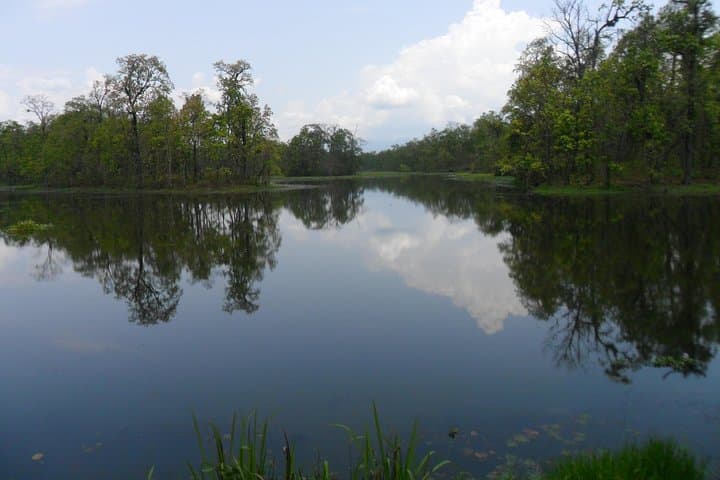
You step from the vehicle into humid air and grass that rubs at your ankles; the Rapti River hisses past and dares you into the green. A single‑trunk canoe waits, narrow and low, guided by a paddler who reads the current like a map. Birds flash between tall sal and riverine forest; a distant snort tells you a rhino is nearby, unbothered and indifferent.
Verified experiences and guided adventures in the surrounding area.
Operated by Adventure World Club · Sauraha, Chitwan District
You step from the vehicle into humid air and grass that rubs at your ankles; the Rapti River hisses past and dares you into the green. A single‑trunk canoe waits, narrow and low, guided by a paddler who reads the current like a map. Birds flash between tall sal and riverine forest; a distant snort tells you a rhino is nearby, unbothered and indifferent.
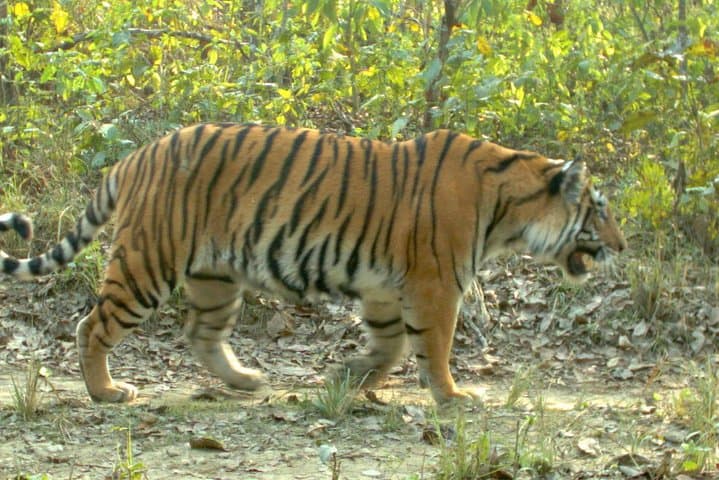
Chitwan National Park, established in 1973 and now a UNESCO World Heritage site, occupies lowland Terai formed by alluvial plains and braided rivers. The park protects one‑horned rhinoceros, Asian elephants and the elusive Royal Bengal tiger, while the Tharu people provide a living cultural thread—local homestays and evening dances keep traditions visible and practical.
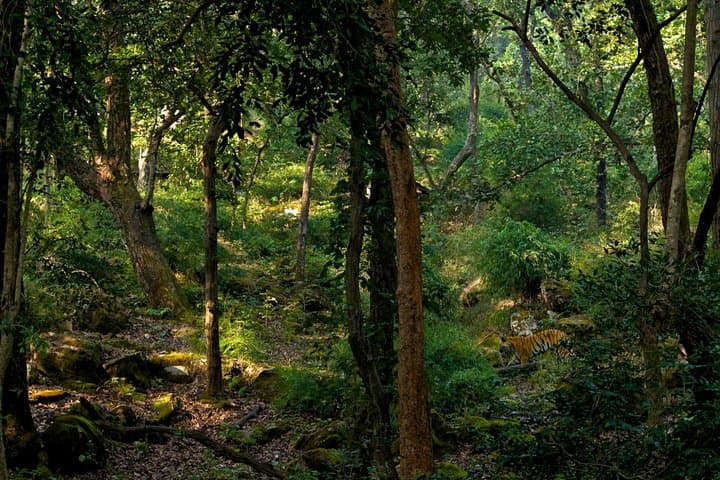
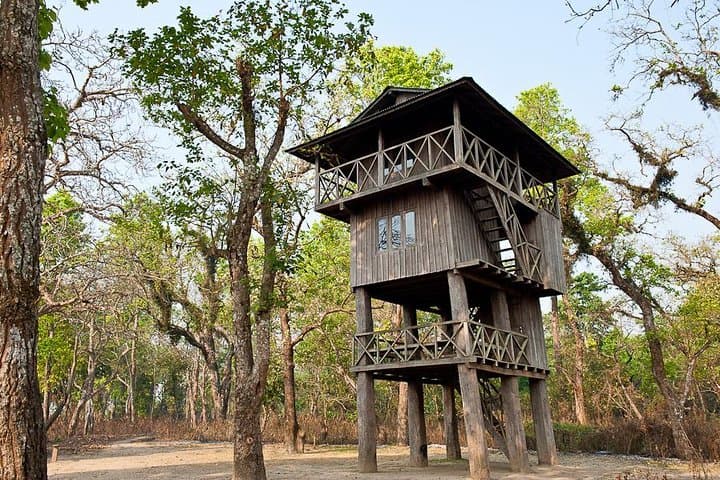
Expect a mix of activities: an 8 km canoe on the Rapti, guided walks from village land into riverine forest, at least one jeep safari into the park interior, and nights in either Sauraha lodgings or a Tharu homestay with basic facilities. Wildlife sightings are chance‑based—rhinos and crocodiles often bask by banks; tiger encounters are rare but possible at known vantage points.
Practical notes: travel with a guide, keep quiet during sightings, and give large mammals wide space. Bring insect repellent, a lightweight rain shell for sudden monsoon showers, and binoculars for the birds. Hydrate for humid days and plan your visit for post‑monsoon or cool winter mornings when wildlife activity is highest. Follow village etiquette—ask before photographing people and respect local crop‑guarding practices.
moderate.
5–6 days.
Light to moderate fitness; participants should be comfortable with half‑day walks, canoe seating, and bumpy jeep rides.
Tiger sightings are uncommon but possible; guides take you to known vantage points and tracking areas, but sightings cannot be guaranteed.
Tharu homestays are basic and communal—expect simple beds, shared bathrooms, and local food; hotel options in Sauraha are more comfortable.
Yes—canoes are guided by experienced paddlers and travel at low speed along calm river sections, but standard safety briefings apply.
Up‑to‑date routine vaccinations are recommended, and travelers should consult a clinic about malaria prophylaxis and typhoid depending on itinerary and season.
Chitwan was protected in 1973 to halt habitat loss and hunting; it became a UNESCO World Heritage site for its unique Terai ecosystem.
Community‑based conservation and park buffer zones are central here—support local guides and homestays to contribute to anti‑poaching and habitat protection efforts.
Adventure World Club operates guided outdoor trips and adventures with an emphasis on safety, stewardship, and memorable experiences.
You step from the vehicle into humid air and grass that rubs at your ankles; the Rapti River hisses past and dares you into the green. A single‑trunk canoe waits, narrow and low, guided by a paddler who reads the current like a map. Birds flash between tall sal and riverine forest; a distant snort tells you a rhino is nearby, unbothered and indifferent.
You step from the vehicle into humid air and grass that rubs at your ankles; the Rapti River hisses past and dares you into the green. A single‑trunk canoe waits, narrow and low, guided by a paddler who reads the current like a map. Birds flash between tall sal and riverine forest; a distant snort tells you a rhino is nearby, unbothered and indifferent.
Chitwan National Park, established in 1973 and now a UNESCO World Heritage site, occupies lowland Terai formed by alluvial plains and braided rivers. The park protects one‑horned rhinoceros, Asian elephants and the elusive Royal Bengal tiger, while the Tharu people provide a living cultural thread—local homestays and evening dances keep traditions visible and practical.
Expect a mix of activities: an 8 km canoe on the Rapti, guided walks from village land into riverine forest, at least one jeep safari into the park interior, and nights in either Sauraha lodgings or a Tharu homestay with basic facilities. Wildlife sightings are chance‑based—rhinos and crocodiles often bask by banks; tiger encounters are rare but possible at known vantage points.
Practical notes: travel with a guide, keep quiet during sightings, and give large mammals wide space. Bring insect repellent, a lightweight rain shell for sudden monsoon showers, and binoculars for the birds. Hydrate for humid days and plan your visit for post‑monsoon or cool winter mornings when wildlife activity is highest. Follow village etiquette—ask before photographing people and respect local crop‑guarding practices.