THE ADVENTURE COLLECTIVE® · Independent discovery and booking for outdoor travel

Float the Rapti in a dugout canoe, sleep in a Tharu village and search for rhinos and tigers in Chitwan National Park. This multi-day safari pairs river navigation, jeep drives and cultural nights for a hands-on wildlife experience.
Float the Rapti in a dugout canoe, sleep in a Tharu village and search for rhinos and tigers in Chitwan National Park. This multi-day safari pairs river navigation, jeep drives and cultural nights for a hands-on wildlife experience.
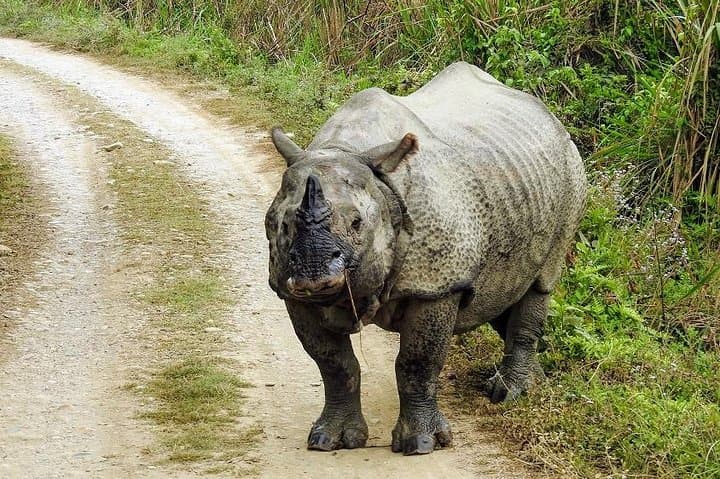
Mornings on the Rapti crack like a page being turned: mist lifts off broad water, a dugout canoe cuts a clean line and birds argue over the reeds. You push away from riverbank villages and enter a green world where one-horned rhinos wade like ancient machines and marsh crocodiles sun themselves on mud shelves. The jungle breathes—hot midday air, the metallic chitter of langur troops, and the sudden hush that makes you believe tigers might be watching.
Verified experiences and guided adventures in the surrounding area.
Operated by Adventure World Club · Sauraha, Bagmati Province
Mornings on the Rapti crack like a page being turned: mist lifts off broad water, a dugout canoe cuts a clean line and birds argue over the reeds. You push away from riverbank villages and enter a green world where one-horned rhinos wade like ancient machines and marsh crocodiles sun themselves on mud shelves. The jungle breathes—hot midday air, the metallic chitter of langur troops, and the sudden hush that makes you believe tigers might be watching.
Chitwan National Park was established in 1973 to protect lowland Terai forest and its megafauna. Geologically the park sits on alluvial plains fed by the Rapti and Narayani rivers; the flat terrain produces oxbow lakes and dense sal forest that support deer, elephant and tiger. Culturally, the Tharu people have lived here for generations; their dances, wooden lodges and agricultural rhythms are woven into nights spent in village eco-cottages.
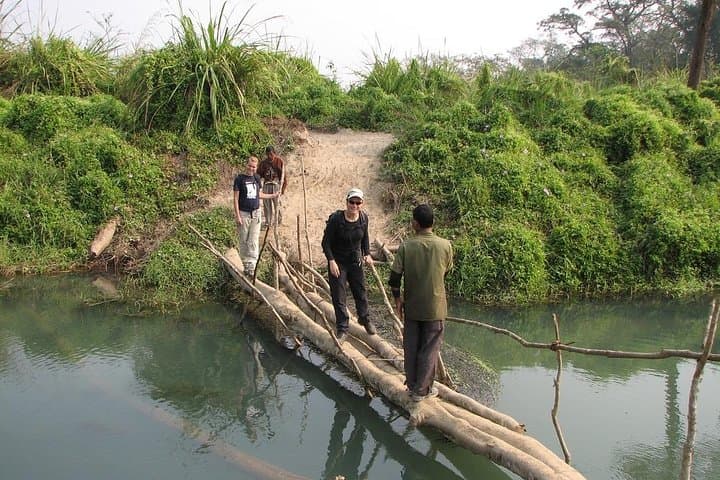
Expect a program of river canoeing, guided village walks, jeep safaris and early-morning stakeouts at known tiger points. Wildlife sightings are patient work—tracks, wallows and birdsong are often as telling as an animal itself. Guides read the land: where the rhinos graze, where grass bends from elephants’ passage.
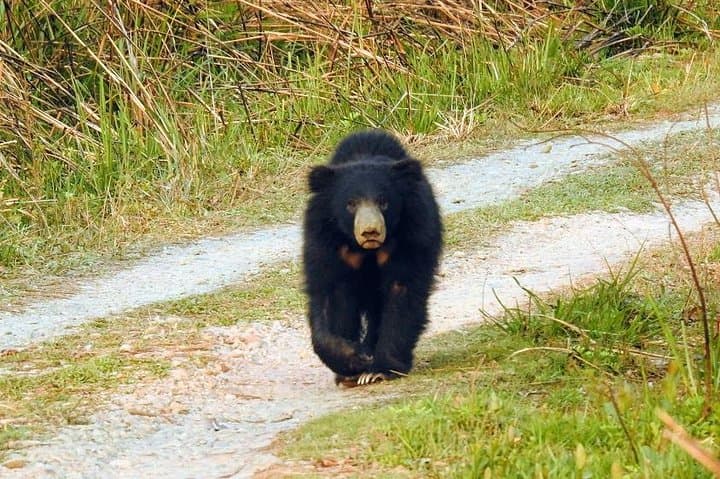
Practical notes: travel between Kathmandu and Chitwan is a 5–6 hour drive; bring lightweight waterproof layers, insect protection and sturdy day shoes. Start safaris at dawn when chances for tiger and sloth bear increase, and respect park rules—quiet, slow movement keeps both you and the wildlife safe.
moderate.
6 days, 5 nights.
Suitable for people with basic fitness—expect several hours of walking, short canoe paddles and occasional bumpy jeep rides.
Most itineraries include a 5–6 hour road transfer; there are also short domestic flights to Bharatpur followed by a 30–60 minute drive to Sauraha.
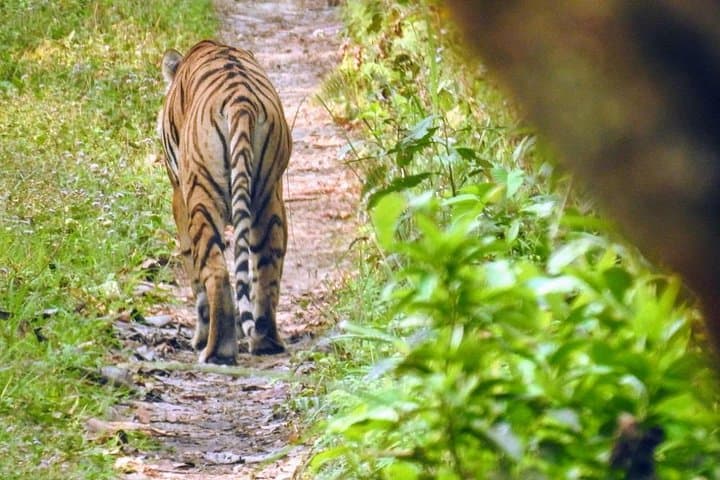
Tigers are elusive; guides stake out known areas to maximize odds, but sightings are never guaranteed—expect to see tracks, pugmarks and secondary species more often.
Accommodations vary: nights in Kathmandu and Sauraha are typically 3–4 star hotels, while village stays use basic eco-cottages with limited amenities.
Families can join, but note some activities involve long drives, early starts and simple village lodging; check age restrictions and safety guidance from the operator.
Chitwan was declared Nepal’s first national park in 1973 to conserve declining populations of rhinoceros and other Terai species; the park later became a UNESCO World Heritage Site for its biodiversity.
Visitor impact is managed via permits, zoned trails and guide regulations; support local conservation by following rules, minimizing plastic and choosing community-based lodges.
Adventure World Club operates guided outdoor trips and adventures with an emphasis on safety, stewardship, and memorable experiences.
Mornings on the Rapti crack like a page being turned: mist lifts off broad water, a dugout canoe cuts a clean line and birds argue over the reeds. You push away from riverbank villages and enter a green world where one-horned rhinos wade like ancient machines and marsh crocodiles sun themselves on mud shelves. The jungle breathes—hot midday air, the metallic chitter of langur troops, and the sudden hush that makes you believe tigers might be watching.
Mornings on the Rapti crack like a page being turned: mist lifts off broad water, a dugout canoe cuts a clean line and birds argue over the reeds. You push away from riverbank villages and enter a green world where one-horned rhinos wade like ancient machines and marsh crocodiles sun themselves on mud shelves. The jungle breathes—hot midday air, the metallic chitter of langur troops, and the sudden hush that makes you believe tigers might be watching.
Chitwan National Park was established in 1973 to protect lowland Terai forest and its megafauna. Geologically the park sits on alluvial plains fed by the Rapti and Narayani rivers; the flat terrain produces oxbow lakes and dense sal forest that support deer, elephant and tiger. Culturally, the Tharu people have lived here for generations; their dances, wooden lodges and agricultural rhythms are woven into nights spent in village eco-cottages.
Expect a program of river canoeing, guided village walks, jeep safaris and early-morning stakeouts at known tiger points. Wildlife sightings are patient work—tracks, wallows and birdsong are often as telling as an animal itself. Guides read the land: where the rhinos graze, where grass bends from elephants’ passage.
Practical notes: travel between Kathmandu and Chitwan is a 5–6 hour drive; bring lightweight waterproof layers, insect protection and sturdy day shoes. Start safaris at dawn when chances for tiger and sloth bear increase, and respect park rules—quiet, slow movement keeps both you and the wildlife safe.