THE ADVENTURE COLLECTIVE® · Independent discovery and booking for outdoor travel

Combine a jeep safari, tranquil canoe ride and guided jungle walk to experience Chitwan’s wildlife from three perspectives. This practical full-day tour maximizes sighting opportunities while supporting local conservation efforts.
Combine a jeep safari, tranquil canoe ride and guided jungle walk to experience Chitwan’s wildlife from three perspectives. This practical full-day tour maximizes sighting opportunities while supporting local conservation efforts.
The morning air in Sauraha tastes of damp earth and bird calls — a jeep grumbles to life, and the river dares you to step closer. This full-day combo threads three ways of seeing Chitwan: a rolling jeep safari across floodplain grasslands, a hush of canoeing along the Rapti or Narayani, and a guided foot patrol through sal forest where the leaf litter speaks underfoot.
Verified experiences and guided adventures in the surrounding area.
Operated by AM Travels and Tours · Sauraha, Chitwan District
The morning air in Sauraha tastes of damp earth and bird calls — a jeep grumbles to life, and the river dares you to step closer. This full-day combo threads three ways of seeing Chitwan: a rolling jeep safari across floodplain grasslands, a hush of canoeing along the Rapti or Narayani, and a guided foot patrol through sal forest where the leaf litter speaks underfoot.
Chitwan National Park, set aside in the 1970s and later recognized for its biodiversity, sits on alluvial plains carved by Himalayan rivers; the land alternates between riverine sandbars and dense forest, shaping where animals feed and hide. Local Tharu communities have long coexisted with this landscape, sharing traditional knowledge about medicinal plants and seasonal wildlife movements.
Expect focused wildlife viewing rather than guaranteed sightings: one-horned rhinos wallow in marshes, tigers move at dawn and dusk, and gharials sun on sandbanks. The canoe offers intimate river views; the jeep covers wider terrain quickly; the walk reveals tracks, birds, and plant stories up close.
Practical note: tours run about seven hours with hotel pickup in Sauraha or Bharatpur. Wear daylight-hunting colors, bring insect repellent, and carry water and snacks. Guides balance safety with observation—follow their lead on riverbanks and during walks. Photographers should pack long lenses and a lightweight tripod. Combine the three modes for a layered understanding of Chitwan’s ecology: noisy, silent and slow — each rhythm reveals a different cast of wildlife.
moderate.
7 hours.
Moderate fitness recommended—able to sit in jeep for hours, paddle gently, and walk 1–3 miles on uneven ground.
The itinerary runs about seven hours with hotel pickup and drop-off included.
No—wildlife is wild; the combo of jeep, canoe and walk improves chances but sightings depend on time, season and animal behavior.
Yes for most, but infants should sit on laps and people with serious back or heart issues are not recommended for rough jeep sections or long walks.
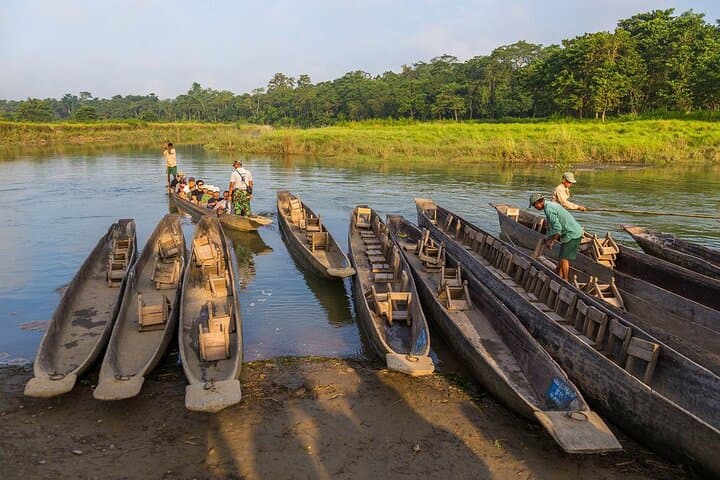
No—canoeing is guided and designed for beginners, with guides handling navigation on the dugout canoes.
Chitwan was designated Nepal’s first national park in 1973 and later recognized for its unique terai ecosystems and cultural ties with local Tharu communities.
Conservation here focuses on anti-poaching, community-based tourism, and habitat protection; visitors are encouraged to minimize disturbance and follow guide instructions.
AM Travels and Tours operates guided outdoor trips and adventures with an emphasis on safety, stewardship, and memorable experiences.


The morning air in Sauraha tastes of damp earth and bird calls — a jeep grumbles to life, and the river dares you to step closer. This full-day combo threads three ways of seeing Chitwan: a rolling jeep safari across floodplain grasslands, a hush of canoeing along the Rapti or Narayani, and a guided foot patrol through sal forest where the leaf litter speaks underfoot.
The morning air in Sauraha tastes of damp earth and bird calls — a jeep grumbles to life, and the river dares you to step closer. This full-day combo threads three ways of seeing Chitwan: a rolling jeep safari across floodplain grasslands, a hush of canoeing along the Rapti or Narayani, and a guided foot patrol through sal forest where the leaf litter speaks underfoot.
Chitwan National Park, set aside in the 1970s and later recognized for its biodiversity, sits on alluvial plains carved by Himalayan rivers; the land alternates between riverine sandbars and dense forest, shaping where animals feed and hide. Local Tharu communities have long coexisted with this landscape, sharing traditional knowledge about medicinal plants and seasonal wildlife movements.
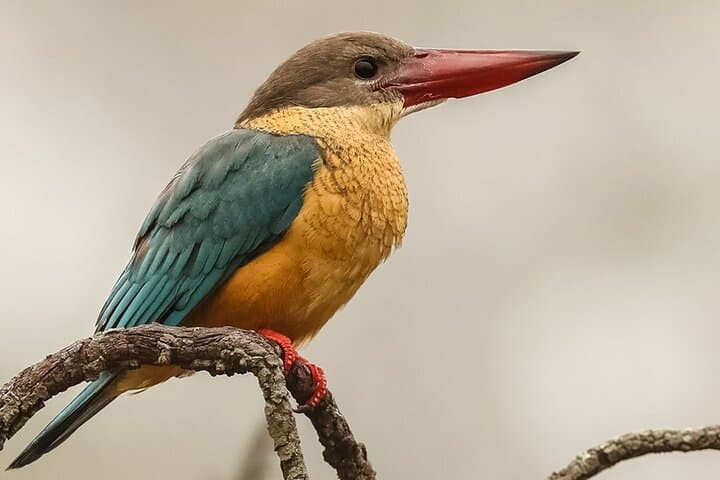
Expect focused wildlife viewing rather than guaranteed sightings: one-horned rhinos wallow in marshes, tigers move at dawn and dusk, and gharials sun on sandbanks. The canoe offers intimate river views; the jeep covers wider terrain quickly; the walk reveals tracks, birds, and plant stories up close.
Practical note: tours run about seven hours with hotel pickup in Sauraha or Bharatpur. Wear daylight-hunting colors, bring insect repellent, and carry water and snacks. Guides balance safety with observation—follow their lead on riverbanks and during walks. Photographers should pack long lenses and a lightweight tripod. Combine the three modes for a layered understanding of Chitwan’s ecology: noisy, silent and slow — each rhythm reveals a different cast of wildlife.