THE ADVENTURE COLLECTIVE® · Independent discovery and booking for outdoor travel

A full-day cultural road trip from Udaipur that pairs the hill-top fortifications of Chittorgarh with the sacred waters and temples of Pushkar, ending with a drop in Jaipur. Expect long drives, uneven stone steps, and rich historical storytelling.
A full-day cultural road trip from Udaipur that pairs the hill-top fortifications of Chittorgarh with the sacred waters and temples of Pushkar, ending with a drop in Jaipur. Expect long drives, uneven stone steps, and rich historical storytelling.
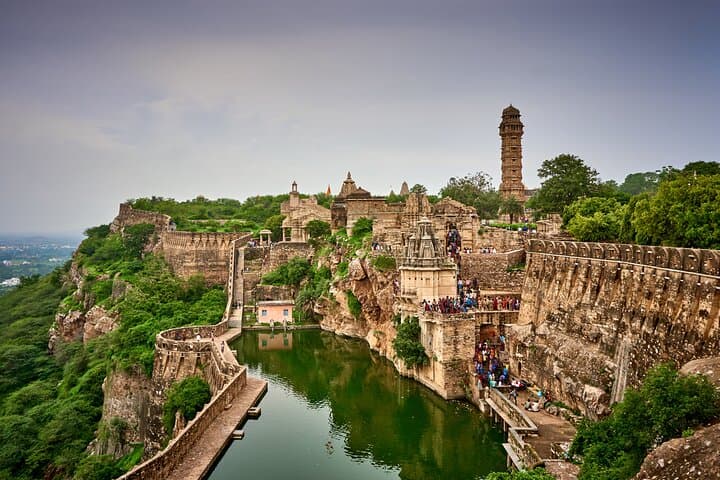
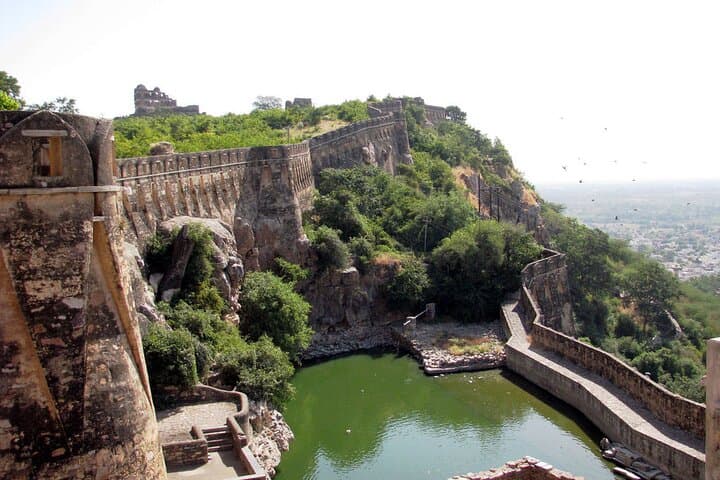
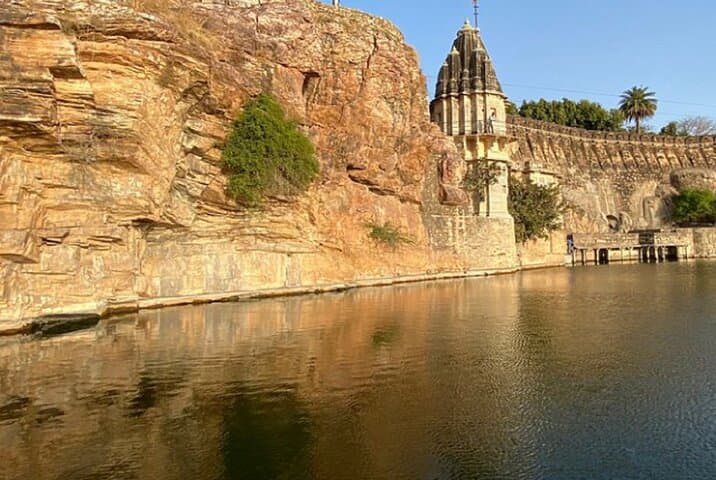
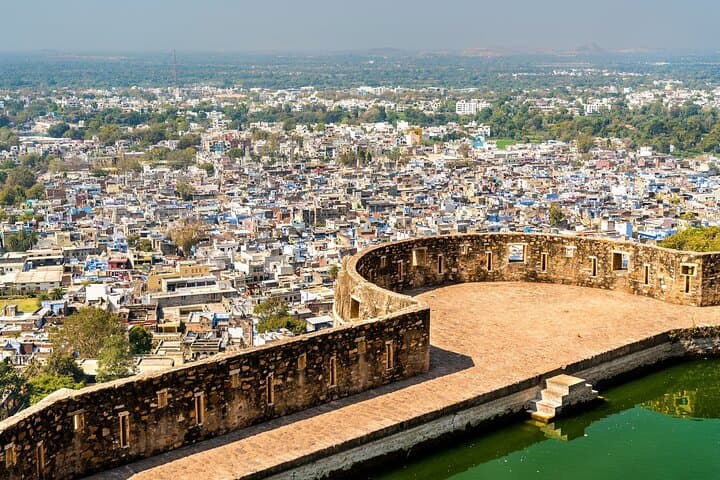
By dawn the road out of Udaipur runs flat and fast, the Aravalli ridges shrinking behind you as sunlight pools on tank walls and village fields. The car climbs toward Chittorgarh and the fort rises like a deliberate city of stone — gates, palaces and two commemorative towers perched 180 metres above the plain.
Verified experiences and guided adventures in the surrounding area.
Operated by Jee Tours · Udaipur, Rajasthan
By dawn the road out of Udaipur runs flat and fast, the Aravalli ridges shrinking behind you as sunlight pools on tank walls and village fields. The car climbs toward Chittorgarh and the fort rises like a deliberate city of stone — gates, palaces and two commemorative towers perched 180 metres above the plain.
Chittorgarh Fort, once the capital of Mewar, sprawls over roughly 280 hectares. Walk its courtyards and you feel the push and counter of history: Rana Kumbha’s defensive works, the vertical pride of Vijay Stambh and the quieter echoes of Padmini Palace. Stories of sacrifice — including the contested legend of Queen Padmavati and the ritual of jauhar — are woven into the stones and the local memory.
Later the road runs toward Pushkar, where the lake dares pilgrims to interrupt their day with ritual bathing at 52 ghats. The Brahma Temple’s marble and the silver turtle at its threshold give shape to a town that sits on the edge of desert and devotion. Both places are as much cultural visits as hikes across uneven, ancient surfaces.
Practical guidance: this is a long, 10-hour day that includes several short walks on steep steps and uneven pavements. Carry at least 2 liters of water, sun protection, and modest clothing for temple visits. Expect driving stretches between sites and allow time to queue for temple entry during peak season. Photographs are welcome but follow local requests at shrines. Plan for comfortable shoes, some cash for small purchases, and an early start to make the most of cooler morning hours.
moderate.
10 hours.
Suitable for travelers in average fitness who can handle multiple short walks, stairs and a long day in a vehicle
Entry tickets may be included depending on the option you select at booking; confirm with the operator and carry cash if not included.
Expect multiple 30–90 minute walking periods on uneven stone surfaces and stairs; total on-foot time is roughly 2–3 hours during the day.
Meals are typically not included—bring snacks or plan short stops at local restaurants during transfer legs; bottled water and light refreshments are recommended.
Yes for many, but note the long day, climbs and uneven terrain; travelers with mobility issues should consider mobility limitations when booking.
Chittorgarh was the capital of Mewar and contains memorial towers built under rulers such as Rana Kumbha; local narratives recall acts of jauhar and sieges that shaped regional identity.
Pushkar Lake and the fort both face visitor-pressure and water-quality concerns; minimize plastic waste, stick to marked paths and respect ritual spaces to reduce impact.
Jee Tours operates guided outdoor trips and adventures with an emphasis on safety, stewardship, and memorable experiences.
By dawn the road out of Udaipur runs flat and fast, the Aravalli ridges shrinking behind you as sunlight pools on tank walls and village fields. The car climbs toward Chittorgarh and the fort rises like a deliberate city of stone — gates, palaces and two commemorative towers perched 180 metres above the plain.
By dawn the road out of Udaipur runs flat and fast, the Aravalli ridges shrinking behind you as sunlight pools on tank walls and village fields. The car climbs toward Chittorgarh and the fort rises like a deliberate city of stone — gates, palaces and two commemorative towers perched 180 metres above the plain.
Chittorgarh Fort, once the capital of Mewar, sprawls over roughly 280 hectares. Walk its courtyards and you feel the push and counter of history: Rana Kumbha’s defensive works, the vertical pride of Vijay Stambh and the quieter echoes of Padmini Palace. Stories of sacrifice — including the contested legend of Queen Padmavati and the ritual of jauhar — are woven into the stones and the local memory.
Later the road runs toward Pushkar, where the lake dares pilgrims to interrupt their day with ritual bathing at 52 ghats. The Brahma Temple’s marble and the silver turtle at its threshold give shape to a town that sits on the edge of desert and devotion. Both places are as much cultural visits as hikes across uneven, ancient surfaces.
Practical guidance: this is a long, 10-hour day that includes several short walks on steep steps and uneven pavements. Carry at least 2 liters of water, sun protection, and modest clothing for temple visits. Expect driving stretches between sites and allow time to queue for temple entry during peak season. Photographs are welcome but follow local requests at shrines. Plan for comfortable shoes, some cash for small purchases, and an early start to make the most of cooler morning hours.