THE ADVENTURE COLLECTIVE® · Independent discovery and booking for outdoor travel

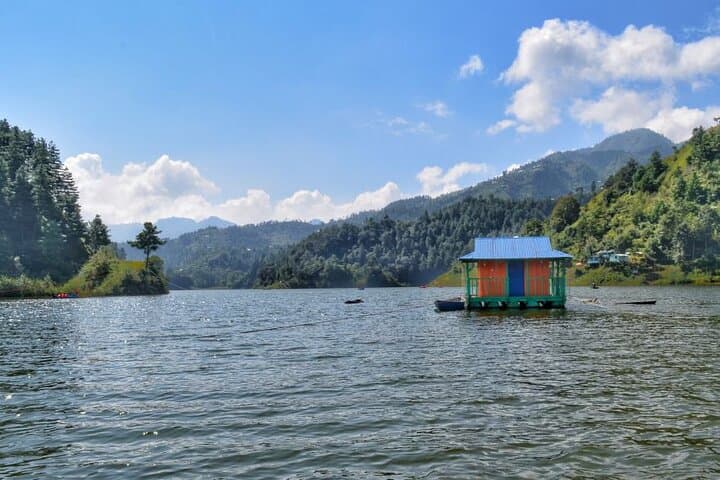
Escape Kathmandu for a private two-day loop through Chitlang village, Markhu, and the Kulekhani reservoir. This modest overnight tour blends village walks, local food, a goat-cheese visit, and calm boating on Indrasarobar.
Escape Kathmandu for a private two-day loop through Chitlang village, Markhu, and the Kulekhani reservoir. This modest overnight tour blends village walks, local food, a goat-cheese visit, and calm boating on Indrasarobar.
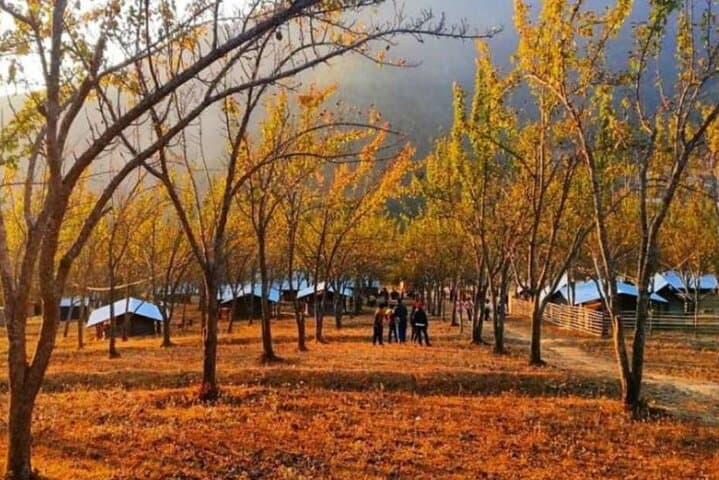
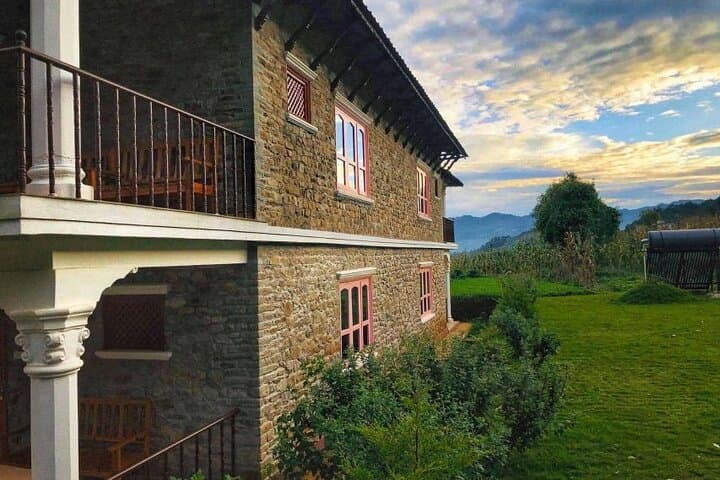
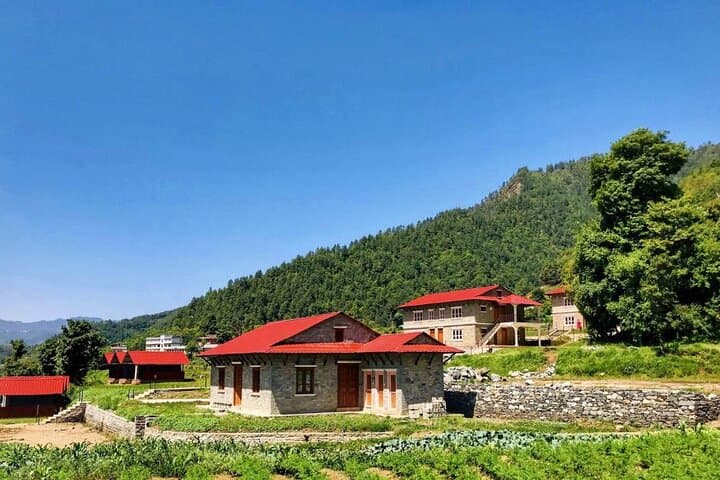
Morning light in the Kathmandu valley thins as the vehicle rolls south toward Chitlang, the road dropping from urban roofs into a patchwork of rice terraces and scrubby ridgelines. Two hours and roughly 27 km from Kathmandu, Chitlang opens like a living map of rural Newar life: stone houses, footpaths, and orchard slopes where goats pick their way along terraced edges.
Verified experiences and guided adventures in the surrounding area.
Operated by Himalayan Social Journey · Chitlang, Bagmati Province
Morning light in the Kathmandu valley thins as the vehicle rolls south toward Chitlang, the road dropping from urban roofs into a patchwork of rice terraces and scrubby ridgelines. Two hours and roughly 27 km from Kathmandu, Chitlang opens like a living map of rural Newar life: stone houses, footpaths, and orchard slopes where goats pick their way along terraced edges.
This short, private circuit marries social history and engineered landscape. Chitlang’s lanes trace centuries of hill agriculture and Newar settlement patterns; nearby Markhu and Kulekhani (Indrasarobar) show a later layer—post-1980s hydropower development that created the reservoir used for boating today. Geologically the area sits on the Siwalik foothills—soft sedimentary slopes that create rounded ridges and quick-draining soil, so trails are often packed dirt with occasional stone steps.
Culturally the trip is small-scale and tactile: visits to a goat cheese workshop, Rana-era durbar remains, and local chaityas where villagers leave incense and coins. Expect slow village walks broken by panoramic pauses—orchards, terrace edges, and the lake’s wind-driven surface.
Practical notes: the itinerary is low-impact but includes uneven paths and short climbs (typical elevation around 1,400–1,700 m with local gains of 50–250 m). Comfortable hiking shoes, sun protection, and small-denomination cash are useful; boating is calm but weather-dependent. Timing: leave Kathmandu early to maximize daylight in Chitlang and allow time for the afternoon drive to Kulekhani. Accommodation is a local resort with dinner and a campfire—bring a light layer for cool evenings.
moderate.
2 days (approx. 48 hours with 2–4 hours of walking spread over two days).
Suitable for walkers in average fitness; expect short ascents and uneven terrain but no sustained climbs.
Chitlang is roughly 25–30 km south of Kathmandu; expect about a 1.5–2.5 hour drive depending on traffic and road conditions.
Boating on the reservoir is typically calm and suitable for families; operators should provide life jackets—check ahead if traveling with young children.
Yes — the itinerary includes breakfast, lunch, and dinner during the overnight stay at the Chitlang resort as listed in the inclusions.
Generally yes, but the monsoon (June–September) can make local tracks muddy and may affect boating; operators may alter plans in bad weather.
Chitlang has long been a Newar agricultural settlement; its stone architecture and chaityas reflect hill trade routes and communal land use that predate modern roads.
Visitors should stay on marked lanes to avoid eroding fragile terraces; support local producers directly to help retain traditional land uses and livelihoods.
Himalayan Social Journey operates guided outdoor trips and adventures with an emphasis on safety, stewardship, and memorable experiences.
Morning light in the Kathmandu valley thins as the vehicle rolls south toward Chitlang, the road dropping from urban roofs into a patchwork of rice terraces and scrubby ridgelines. Two hours and roughly 27 km from Kathmandu, Chitlang opens like a living map of rural Newar life: stone houses, footpaths, and orchard slopes where goats pick their way along terraced edges.
Morning light in the Kathmandu valley thins as the vehicle rolls south toward Chitlang, the road dropping from urban roofs into a patchwork of rice terraces and scrubby ridgelines. Two hours and roughly 27 km from Kathmandu, Chitlang opens like a living map of rural Newar life: stone houses, footpaths, and orchard slopes where goats pick their way along terraced edges.
This short, private circuit marries social history and engineered landscape. Chitlang’s lanes trace centuries of hill agriculture and Newar settlement patterns; nearby Markhu and Kulekhani (Indrasarobar) show a later layer—post-1980s hydropower development that created the reservoir used for boating today. Geologically the area sits on the Siwalik foothills—soft sedimentary slopes that create rounded ridges and quick-draining soil, so trails are often packed dirt with occasional stone steps.
Culturally the trip is small-scale and tactile: visits to a goat cheese workshop, Rana-era durbar remains, and local chaityas where villagers leave incense and coins. Expect slow village walks broken by panoramic pauses—orchards, terrace edges, and the lake’s wind-driven surface.
Practical notes: the itinerary is low-impact but includes uneven paths and short climbs (typical elevation around 1,400–1,700 m with local gains of 50–250 m). Comfortable hiking shoes, sun protection, and small-denomination cash are useful; boating is calm but weather-dependent. Timing: leave Kathmandu early to maximize daylight in Chitlang and allow time for the afternoon drive to Kulekhani. Accommodation is a local resort with dinner and a campfire—bring a light layer for cool evenings.