THE ADVENTURE COLLECTIVE® · Independent discovery and booking for outdoor travel

A family-friendly 5-day circuit above Kathmandu, the Chisapani–Nagarkot trek offers short daily walks through rhododendron forest, hill villages and wide Himalayan viewpoints. Perfect for first-time trekkers seeking sunrise over Everest without high-altitude demands.
A family-friendly 5-day circuit above Kathmandu, the Chisapani–Nagarkot trek offers short daily walks through rhododendron forest, hill villages and wide Himalayan viewpoints. Perfect for first-time trekkers seeking sunrise over Everest without high-altitude demands.
The first steps leave Kathmandu’s bustle behind as the trail climbs from Sundarijal into cool rhododendron stands; bird calls thread through the trees and village roofs appear on distant ridges. By late afternoon Chisapani opens a wide bench of sky and mountain—winter light cuts the Himalayan ridgelines; from here the route eases toward Nagarkot where dawn can trim Everest in silver.
Verified experiences and guided adventures in the surrounding area.
Operated by Shishu Tours & Travel · Nagarkot, Bagmati Province
The first steps leave Kathmandu’s bustle behind as the trail climbs from Sundarijal into cool rhododendron stands; bird calls thread through the trees and village roofs appear on distant ridges. By late afternoon Chisapani opens a wide bench of sky and mountain—winter light cuts the Himalayan ridgelines; from here the route eases toward Nagarkot where dawn can trim Everest in silver.
This short circuit has been a local route for generations, linking Kathmandu’s Newar settlements with hill farms and seasonal pastures. Geologically, the trail follows weathered schist and river-carved alluvium that form the valley’s foothills; expect stone steps, single-track dirt, and short grassy ridgelines. Culture is visible at every turn: terraced fields, small stone teahouses, and residents from mixed Newar and Tamang communities who maintain the path and host trekkers.
Practical guidance: plan five days with steady but short walking days—roughly 3–5 hours per day—so the itinerary suits families and first-time trekkers. Altitude is modest (starting ~1,300 m, Nagarkot ~2,175 m) but carry layers for cold mornings and a reliable rain jacket in monsoon months. Permits and TIMS are handled by local operators; bring cash for teahouse snacks and tips.
Timing matters: sunrise from Nagarkot is the highlight—clear mornings in autumn and late winter reward the most expansive views. Keep hydration, sun protection, and modest footwear as priorities; stay on signposted trails and respect local customs to keep this accessible, community-based trek sustainable and welcoming.
easy.
5 days.
Light to moderate fitness; suitable for families and beginners who can walk 3–5 hours per day on uneven terrain.
This route is designed for families: daily walking times are short with gradual elevation gains, but expect uneven steps; take frequent rests and pace according to the slowest walker.
Altitude is modest (up to ~2,175 m at Nagarkot) so severe altitude sickness is rare, but stay hydrated and watch for any signs of headache, nausea, or dizziness.
Local operators typically include TIMS and permits and provide an English-speaking guide—book through a licensed provider for paperwork and navigation support.
Autumn (Oct–Nov) and late winter (Feb–Mar) offer the clearest mornings for sunrise views; plan an early start and a cloud-free forecast for the best chance.
The ridgelines above Kathmandu have long linked Newar and Tamang communities; Nagarkot historically served as a lookout over the valley and for traders approaching from the east.
Stick to established trails, minimize single-use plastic, and use teahouse facilities to limit environmental impact; local lodges depend on sustainable visitor practices.
Shishu Tours & Travel operates guided outdoor trips and adventures with an emphasis on safety, stewardship, and memorable experiences.
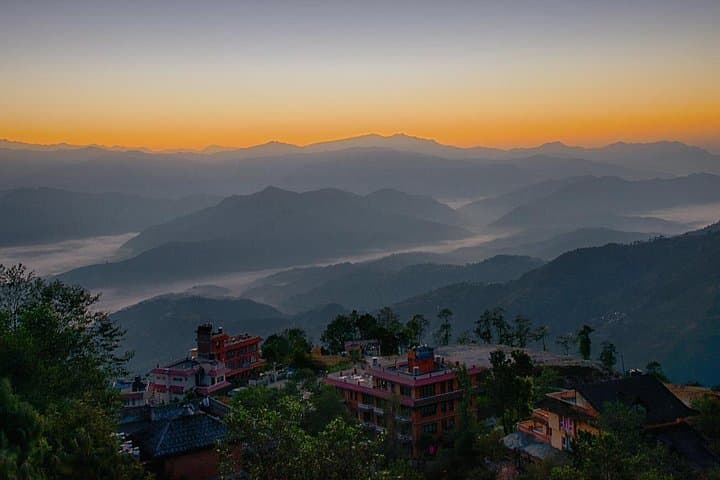
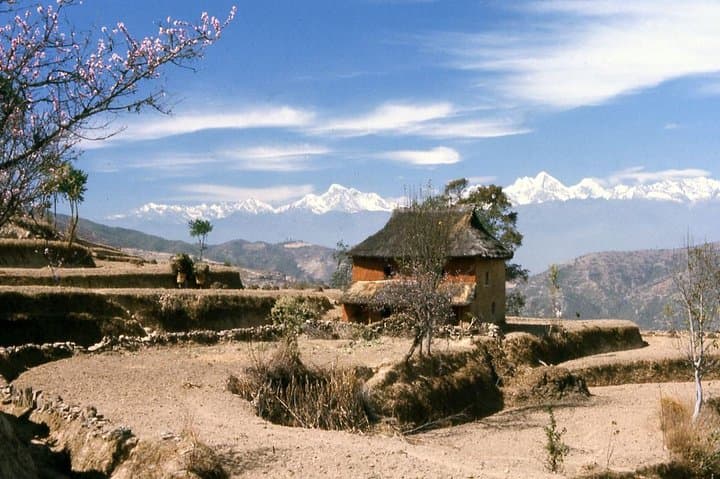
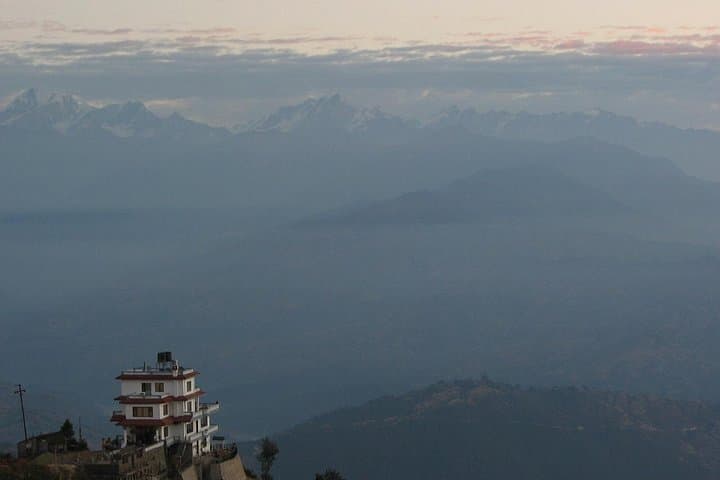
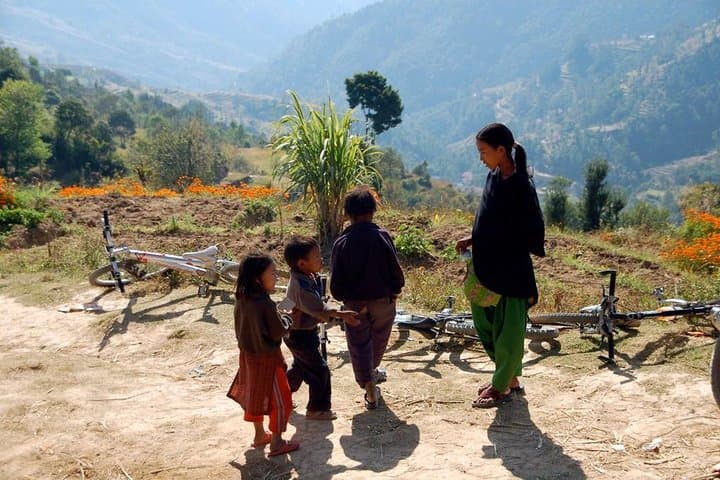
The first steps leave Kathmandu’s bustle behind as the trail climbs from Sundarijal into cool rhododendron stands; bird calls thread through the trees and village roofs appear on distant ridges. By late afternoon Chisapani opens a wide bench of sky and mountain—winter light cuts the Himalayan ridgelines; from here the route eases toward Nagarkot where dawn can trim Everest in silver.
The first steps leave Kathmandu’s bustle behind as the trail climbs from Sundarijal into cool rhododendron stands; bird calls thread through the trees and village roofs appear on distant ridges. By late afternoon Chisapani opens a wide bench of sky and mountain—winter light cuts the Himalayan ridgelines; from here the route eases toward Nagarkot where dawn can trim Everest in silver.
This short circuit has been a local route for generations, linking Kathmandu’s Newar settlements with hill farms and seasonal pastures. Geologically, the trail follows weathered schist and river-carved alluvium that form the valley’s foothills; expect stone steps, single-track dirt, and short grassy ridgelines. Culture is visible at every turn: terraced fields, small stone teahouses, and residents from mixed Newar and Tamang communities who maintain the path and host trekkers.
Practical guidance: plan five days with steady but short walking days—roughly 3–5 hours per day—so the itinerary suits families and first-time trekkers. Altitude is modest (starting ~1,300 m, Nagarkot ~2,175 m) but carry layers for cold mornings and a reliable rain jacket in monsoon months. Permits and TIMS are handled by local operators; bring cash for teahouse snacks and tips.
Timing matters: sunrise from Nagarkot is the highlight—clear mornings in autumn and late winter reward the most expansive views. Keep hydration, sun protection, and modest footwear as priorities; stay on signposted trails and respect local customs to keep this accessible, community-based trek sustainable and welcoming.