THE ADVENTURE COLLECTIVE® · Independent discovery and booking for outdoor travel

A strenuous day hike into Chingaza National Park that climbs to 3,800 m to visit the Siecha and newly opened Cuchillas trail. Expect steep, muddy terrain, wide páramo vistas, and a deep look at an ecosystem that feeds Bogotá.
A strenuous day hike into Chingaza National Park that climbs to 3,800 m to visit the Siecha and newly opened Cuchillas trail. Expect steep, muddy terrain, wide páramo vistas, and a deep look at an ecosystem that feeds Bogotá.
A gray morning breaks over the páramo as hikers step from the van and feel the air thin—sharp, cool, and insistently alive. The trail rises quickly, weaving through frail grasslands and stunted Andean forest until the landscape opens to the Siecha and Cuchillas lagoons, black mirrors that reflect cold sky and wind. The lakes seem to hold their breath; peat bogs and cushion plants edge the shoreline, and the trail threads between sphagnum and boulder.
Verified experiences and guided adventures in the surrounding area.
Operated by Andes EcoTours · Bogotá, Cundinamarca
A gray morning breaks over the páramo as hikers step from the van and feel the air thin—sharp, cool, and insistently alive. The trail rises quickly, weaving through frail grasslands and stunted Andean forest until the landscape opens to the Siecha and Cuchillas lagoons, black mirrors that reflect cold sky and wind. The lakes seem to hold their breath; peat bogs and cushion plants edge the shoreline, and the trail threads between sphagnum and boulder.
Geologically the area is a sculpted high Andean basin, where glacial shaping and volcanic uplift created steep ridges and closed basins that collect water. Culturally, Chingaza sits on ancestral Muisca land; the Siecha lakes were historically sacred and remain important in local conservation narratives. The páramo ecosystem acts as a sponge—its peat and frailejones capture and release water that supplies Bogotá.
Expect uneven, muddy paths, steep switchbacks and roughly 400 meters of elevation gain, from about 3,400 to 3,800 m.a.s.l. The hike runs 4–5 hours on-trail within a roughly 10-hour outing door-to-door from Bogotá; weather can change in minutes—sun, wind, cold rain and intense high-altitude sun all make appearances. Guides carry permits and route knowledge; visitors should move deliberately, hydrate more than usual, and use poles for balance. Footwear with good traction and a waterproof shell will keep the day manageable.
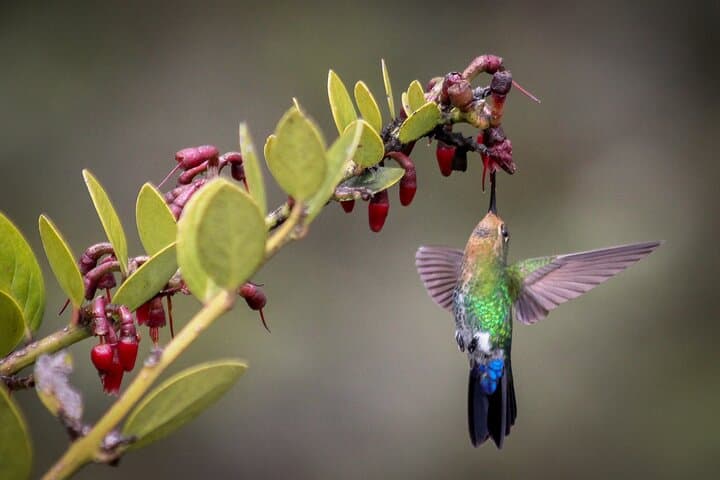
The trip rewards steady rhythm with wide, austere views and close encounters with páramo life—antilike grasses shiver like a crowd moving together, and mountain streams daring you to cross. Respect signage, pack out waste, and leave the fragile bogs undisturbed.
challenging.
10 hours total (4–5 hours hiking).
Requires high aerobic fitness and good tolerance for sustained uphill hiking at altitude; steady hikers in good health are best.
Plan for about 2–2.5 hours each way from central Bogotá to the Chingaza trailhead, depending on traffic and the specific pickup point.
Yes—spending a day at moderate elevation before attempting this trek reduces risks of altitude-related discomfort; the trail reaches ~3,800 m.
Typical inclusions are a certified park guide, entrance permit and mandatory insurance, plus private transportation from the meeting point.
Participants aged 10–70 may join, but they must be in good physical condition and able to handle steep, uneven terrain and thin air.
The Siecha lakes were revered by the Muisca people; Chingaza later became a protected national park to conserve water-producing páramo ecosystems for Bogotá.
The páramo is a fragile water-capturing ecosystem—stick to marked trails, avoid trampling cushion plants, and pack out all waste to protect water quality.
Andes EcoTours operates guided outdoor trips and adventures with an emphasis on safety, stewardship, and memorable experiences.

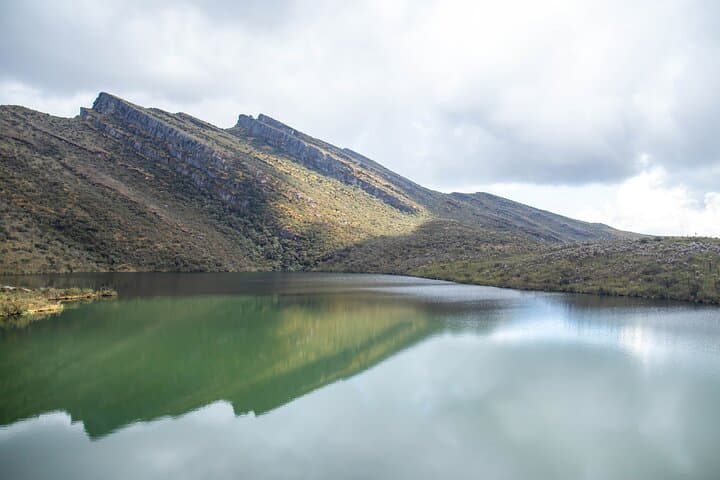

A gray morning breaks over the páramo as hikers step from the van and feel the air thin—sharp, cool, and insistently alive. The trail rises quickly, weaving through frail grasslands and stunted Andean forest until the landscape opens to the Siecha and Cuchillas lagoons, black mirrors that reflect cold sky and wind. The lakes seem to hold their breath; peat bogs and cushion plants edge the shoreline, and the trail threads between sphagnum and boulder.
A gray morning breaks over the páramo as hikers step from the van and feel the air thin—sharp, cool, and insistently alive. The trail rises quickly, weaving through frail grasslands and stunted Andean forest until the landscape opens to the Siecha and Cuchillas lagoons, black mirrors that reflect cold sky and wind. The lakes seem to hold their breath; peat bogs and cushion plants edge the shoreline, and the trail threads between sphagnum and boulder.
Geologically the area is a sculpted high Andean basin, where glacial shaping and volcanic uplift created steep ridges and closed basins that collect water. Culturally, Chingaza sits on ancestral Muisca land; the Siecha lakes were historically sacred and remain important in local conservation narratives. The páramo ecosystem acts as a sponge—its peat and frailejones capture and release water that supplies Bogotá.
Expect uneven, muddy paths, steep switchbacks and roughly 400 meters of elevation gain, from about 3,400 to 3,800 m.a.s.l. The hike runs 4–5 hours on-trail within a roughly 10-hour outing door-to-door from Bogotá; weather can change in minutes—sun, wind, cold rain and intense high-altitude sun all make appearances. Guides carry permits and route knowledge; visitors should move deliberately, hydrate more than usual, and use poles for balance. Footwear with good traction and a waterproof shell will keep the day manageable.
The trip rewards steady rhythm with wide, austere views and close encounters with páramo life—antilike grasses shiver like a crowd moving together, and mountain streams daring you to cross. Respect signage, pack out waste, and leave the fragile bogs undisturbed.