THE ADVENTURE COLLECTIVE® · Independent discovery and booking for outdoor travel

Walk an original Inca trail from Chinchero through Urquillos, camp under Andean skies, then continue by train and bus to Machu Picchu. This 3-day route combines textile culture, riverside terraces, and the classic sunrise on the ruins.
Walk an original Inca trail from Chinchero through Urquillos, camp under Andean skies, then continue by train and bus to Machu Picchu. This 3-day route combines textile culture, riverside terraces, and the classic sunrise on the ruins.
Dawn over the high Andean terraces feels immediate and raw — chill air pushing through woven textiles drying on low stone walls as you tie your boots in Chinchero. The first steps drop you off a ridge onto an original Inca path that threads moraine-strewn slopes and snug mountain farms, descending toward Urquillos and the broader Sacred Valley.
Verified experiences and guided adventures in the surrounding area.
Operated by Machulas Journey · Cusco, Cusco Region
Dawn over the high Andean terraces feels immediate and raw — chill air pushing through woven textiles drying on low stone walls as you tie your boots in Chinchero. The first steps drop you off a ridge onto an original Inca path that threads moraine-strewn slopes and snug mountain farms, descending toward Urquillos and the broader Sacred Valley.
This route threads living history: ancestral textile workshops in Chinchero, colonial murals on a 17th-century church, and compact Inca agricultural engineering visible in stepped terraces. Geologically, you move from wind-scoured puna into humus-rich valley benches carved by glacial action; on clear days the snow-capped Pitusiray and Sawasiray dominate the skyline, reminders of the high volcanic peaks that shape local weather and water flows.
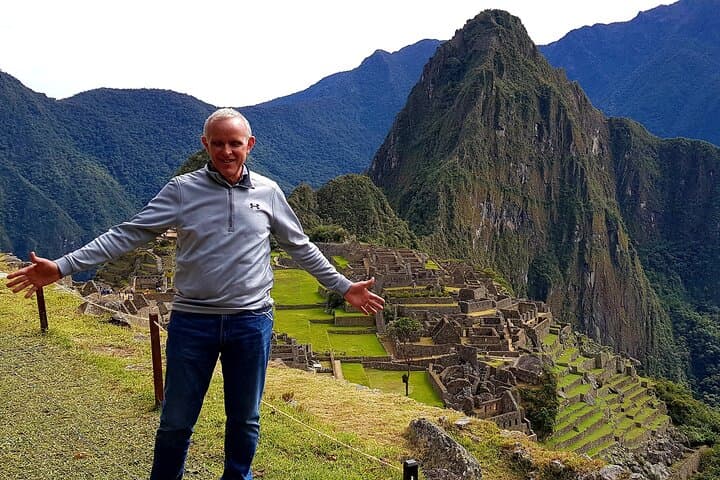
Culturally the hike is a hands-on introduction — weaving demos, home visits, and market stops at Urubamba reveal how farming rhythms and Andean cosmology remain embedded in daily life. Ollantaytambo provides a textbook example of Inca urban planning before the final train ride and early-morning ascent to Machu Picchu’s terraces and temples.
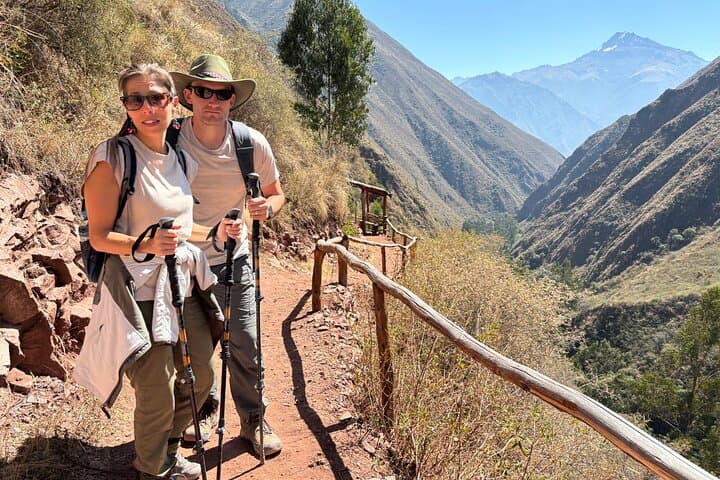
Practically: expect multi-day hiking with a mix of packed trails and dirt farm tracks, simple private camping on night one and a basic hotel in Aguas Calientes, and long transport windows between sites. Altitude management, layered clothing for wide temperature swings, and sturdy footwear matter more than speed. If you want sunrise at the ruins, plan an early bus and book Huayna Picchu ahead. This trip balances cultural immersion, hands-on learning, and the payoff of reaching Machu Picchu after a few days on the ground.
moderate.
3 days.
Comfortable with 3–6 hours of active hiking per day, moderate fitness and ability to handle altitude changes required.
The route is steady descent on original Inca and farm trails with some uneven stone; expect 3–4 hours at a moderate pace and occasional steep sections.
The tour includes entrance to Machu Picchu, but summit hikes (Huayna or Machu Picchu Mountain) require separate reservation and ticket purchase in advance.
Camping is basic private sites with provided meals; bring a good sleeping pad and sleeping bag rated for cold mountain nights if not supplied.
Symptoms are common above 2,500 m; acclimatize in Cusco, hydrate, avoid heavy exertion on day one, and carry acetazolamide if recommended by a physician.
The trail follows pre-Columbian routes used by the Incas to connect highland communities and the Sacred Valley’s agricultural estates; nearby Ollantaytambo preserves original Inca terraces and storehouses.
Stick to marked trails and avoid single-use plastics; local communities rely on tourism income but also face pressure on water and waste systems, so low-impact travel supports long-term conservation.
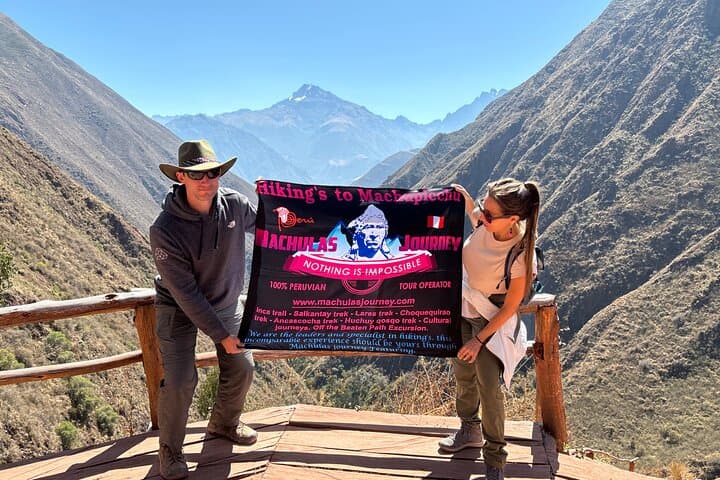
Machulas Journey operates guided outdoor trips and adventures with an emphasis on safety, stewardship, and memorable experiences.
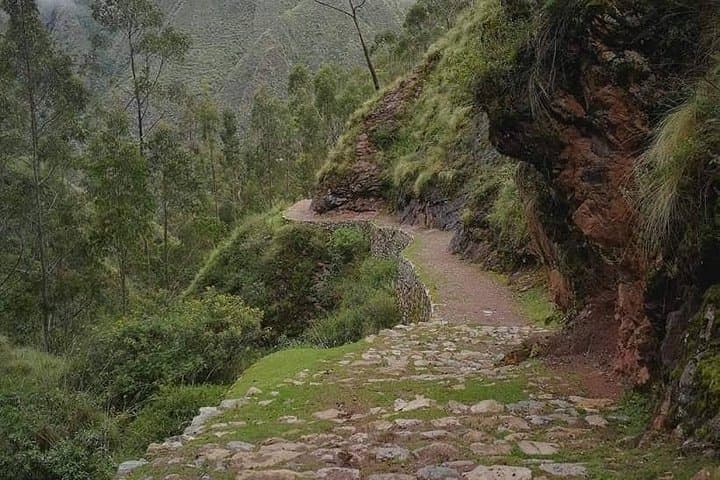
Dawn over the high Andean terraces feels immediate and raw — chill air pushing through woven textiles drying on low stone walls as you tie your boots in Chinchero. The first steps drop you off a ridge onto an original Inca path that threads moraine-strewn slopes and snug mountain farms, descending toward Urquillos and the broader Sacred Valley.
Dawn over the high Andean terraces feels immediate and raw — chill air pushing through woven textiles drying on low stone walls as you tie your boots in Chinchero. The first steps drop you off a ridge onto an original Inca path that threads moraine-strewn slopes and snug mountain farms, descending toward Urquillos and the broader Sacred Valley.
This route threads living history: ancestral textile workshops in Chinchero, colonial murals on a 17th-century church, and compact Inca agricultural engineering visible in stepped terraces. Geologically, you move from wind-scoured puna into humus-rich valley benches carved by glacial action; on clear days the snow-capped Pitusiray and Sawasiray dominate the skyline, reminders of the high volcanic peaks that shape local weather and water flows.
Culturally the hike is a hands-on introduction — weaving demos, home visits, and market stops at Urubamba reveal how farming rhythms and Andean cosmology remain embedded in daily life. Ollantaytambo provides a textbook example of Inca urban planning before the final train ride and early-morning ascent to Machu Picchu’s terraces and temples.
Practically: expect multi-day hiking with a mix of packed trails and dirt farm tracks, simple private camping on night one and a basic hotel in Aguas Calientes, and long transport windows between sites. Altitude management, layered clothing for wide temperature swings, and sturdy footwear matter more than speed. If you want sunrise at the ruins, plan an early bus and book Huayna Picchu ahead. This trip balances cultural immersion, hands-on learning, and the payoff of reaching Machu Picchu after a few days on the ground.