THE ADVENTURE COLLECTIVE® · Independent discovery and booking for outdoor travel

Spend a day from Cusco exploring living textile traditions in Chinchero, the concentric agricultural terraces of Moray, and the geometric salt pans of Maras. This practical guide covers what to expect, local history, and how to prepare for high-altitude walking.
Spend a day from Cusco exploring living textile traditions in Chinchero, the concentric agricultural terraces of Moray, and the geometric salt pans of Maras. This practical guide covers what to expect, local history, and how to prepare for high-altitude walking.
You step out of the van where the air is thin and bright, Andean light painting the stone walls of Chinchero. Alpaca fiber hangs from wooden racks while women in traditional dress demonstrate dyeing and weaving; the hum of conversation and the clack of spindles set a human rhythm against a backdrop of high terraces.
Verified experiences and guided adventures in the surrounding area.
Operated by Trek The Colca · Chinchero, Cusco Region
You step out of the van where the air is thin and bright, Andean light painting the stone walls of Chinchero. Alpaca fiber hangs from wooden racks while women in traditional dress demonstrate dyeing and weaving; the hum of conversation and the clack of spindles set a human rhythm against a backdrop of high terraces.
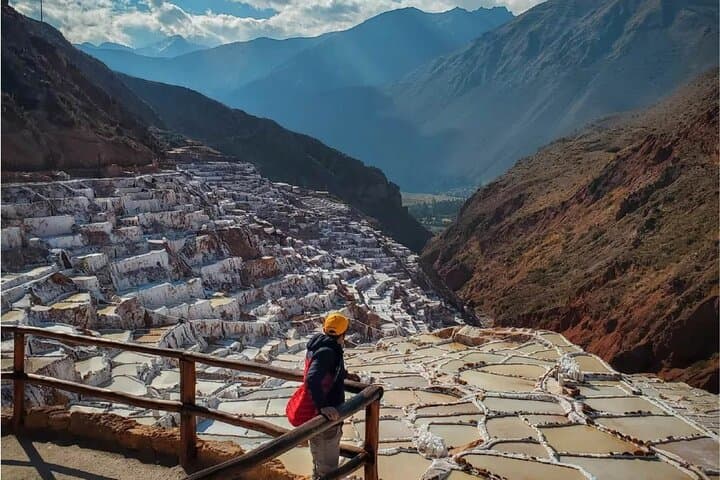
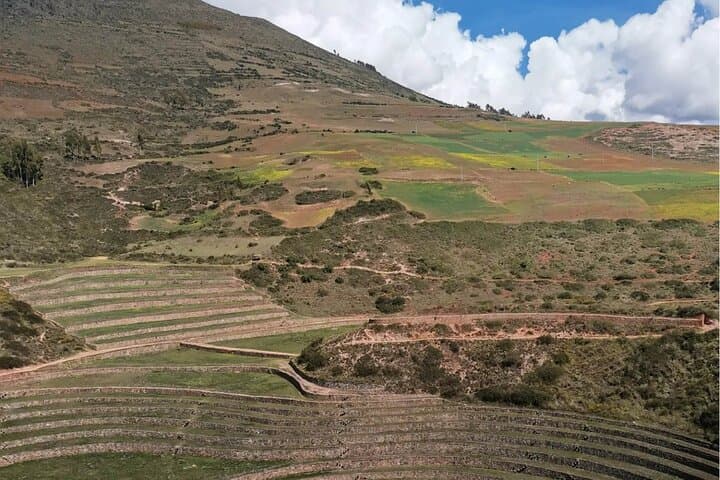
This loop through the Sacred Valley pairs living culture with engineered landscape. Chinchero preserves colonial-era plazas and a continuing textile tradition; Moray’s concentric circular terraces form an inverted bowl where the Incas experimented with microclimates to domesticate hundreds of potato varieties. Maras’ terraced salt pans, fed by a hypersaline spring, reveal a centuries-old method of evaporation and community-managed extraction.
Geology here is blunt: uplifted Andean strata, fractured limestones and salt-laden springs produce abrupt terraces and bright pools. Culture is tactile — you’ll handle yarn, taste different salts and hear local histories from guides who translate Quechua terms and farming logic.
Practical guidance: the trip is a full day (about seven hours) leaving Cusco, with short walks at each stop on uneven, high-elevation ground (Chinchero ~3,760 m; Moray ~3,500 m; Maras ~3,300 m). Bring water, sunscreen and layered clothing for sun and afternoon wind. Wear sturdy shoes for stepped terraces and dusty paths. Carry small cash for souvenirs and salt purchases; vendors are local cooperatives. If you’re sensitive to altitude, plan a light first day in Cusco and consider coca tea before you go. The route is accessible for most fitness levels but involves walking and stairs rather than long hikes.
easy.
6–7 hours.
Suitable for most people with basic mobility; expect short walks, uneven ground and stairs at altitude
The tour lasts about 6–7 hours (roughly 420 minutes) with return to Cusco in the afternoon; exact pickup/return times depend on your hotel and operator schedule.
The itinerary involves walking on uneven terraces and stairs; it’s described as suitable for general fitness levels but not recommended for those with significant mobility impairments.
Yes; visits include an alpaca wool demonstration with opportunities to purchase garments and a stop at Maras where several varieties of salt are sold—bring small bills.
Yes—these sites sit between about 3,300–3,760 m; drink water, move slowly, consider coca tea, and consult a doctor if you have concerns about altitude sickness.
The terraces at Moray are believed to have been an Inca agricultural laboratory for crop acclimatization; Maras salt pans predate the Inca and remain community-managed saltworks.
Stay on designated paths to avoid terracing erosion; buying from local cooperatives supports traditional practice and conservation of cultural landscapes.
Trek The Colca operates guided outdoor trips and adventures with an emphasis on safety, stewardship, and memorable experiences.


You step out of the van where the air is thin and bright, Andean light painting the stone walls of Chinchero. Alpaca fiber hangs from wooden racks while women in traditional dress demonstrate dyeing and weaving; the hum of conversation and the clack of spindles set a human rhythm against a backdrop of high terraces.
You step out of the van where the air is thin and bright, Andean light painting the stone walls of Chinchero. Alpaca fiber hangs from wooden racks while women in traditional dress demonstrate dyeing and weaving; the hum of conversation and the clack of spindles set a human rhythm against a backdrop of high terraces.
This loop through the Sacred Valley pairs living culture with engineered landscape. Chinchero preserves colonial-era plazas and a continuing textile tradition; Moray’s concentric circular terraces form an inverted bowl where the Incas experimented with microclimates to domesticate hundreds of potato varieties. Maras’ terraced salt pans, fed by a hypersaline spring, reveal a centuries-old method of evaporation and community-managed extraction.
Geology here is blunt: uplifted Andean strata, fractured limestones and salt-laden springs produce abrupt terraces and bright pools. Culture is tactile — you’ll handle yarn, taste different salts and hear local histories from guides who translate Quechua terms and farming logic.
Practical guidance: the trip is a full day (about seven hours) leaving Cusco, with short walks at each stop on uneven, high-elevation ground (Chinchero ~3,760 m; Moray ~3,500 m; Maras ~3,300 m). Bring water, sunscreen and layered clothing for sun and afternoon wind. Wear sturdy shoes for stepped terraces and dusty paths. Carry small cash for souvenirs and salt purchases; vendors are local cooperatives. If you’re sensitive to altitude, plan a light first day in Cusco and consider coca tea before you go. The route is accessible for most fitness levels but involves walking and stairs rather than long hikes.