THE ADVENTURE COLLECTIVE® · Independent discovery and booking for outdoor travel

A single-day loop from Cusco that pairs community textile demonstrations with the Maras salt pans and the concentric terraces of Moray. Expect hands-on craft insight, engineered Inca agriculture, and high‑altitude views.
A single-day loop from Cusco that pairs community textile demonstrations with the Maras salt pans and the concentric terraces of Moray. Expect hands-on craft insight, engineered Inca agriculture, and high‑altitude views.
You step off the van onto cool, thin air and a high plain that pushes back: Chinchero’s weaving center hums with the measured rhythm of spindle and dye.
Verified experiences and guided adventures in the surrounding area.
Operated by WPeru-Travel · Chinchero, Cusco Region
You step off the van onto cool, thin air and a high plain that pushes back: Chinchero’s weaving center hums with the measured rhythm of spindle and dye.
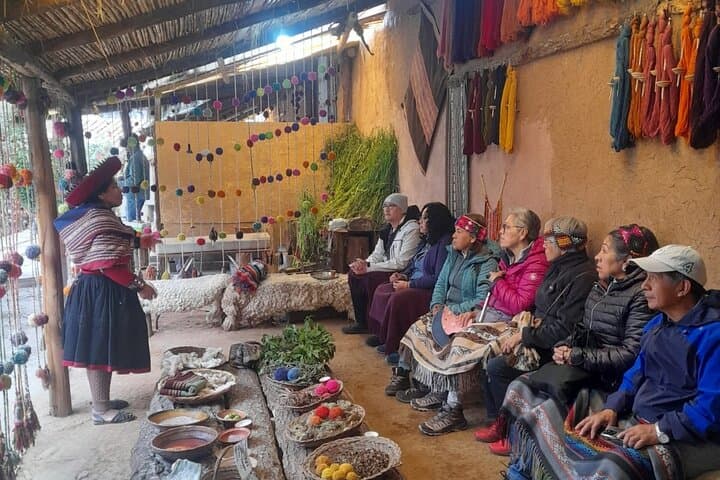
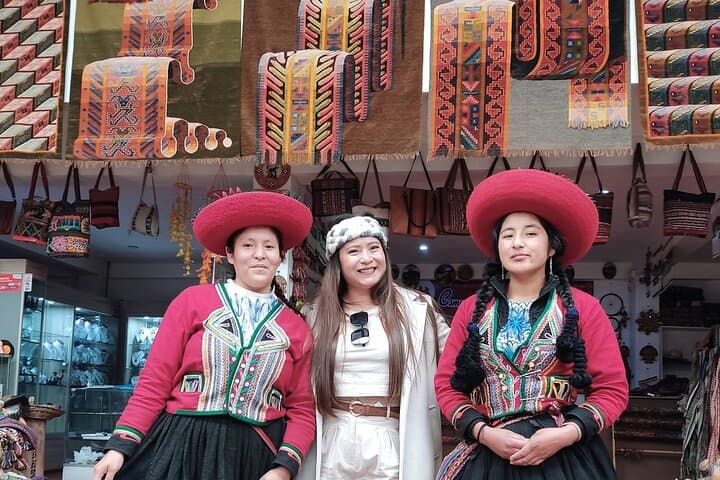
Women of the community move fibers with practiced hands, turning baby alpaca into cloth dyed with local plants; beyond them the valley slopes away toward the geometric rings of Moray and the stair-step pans of the Maras salt wells, where centuries of human ingenuity meet the bright light of the Andes.
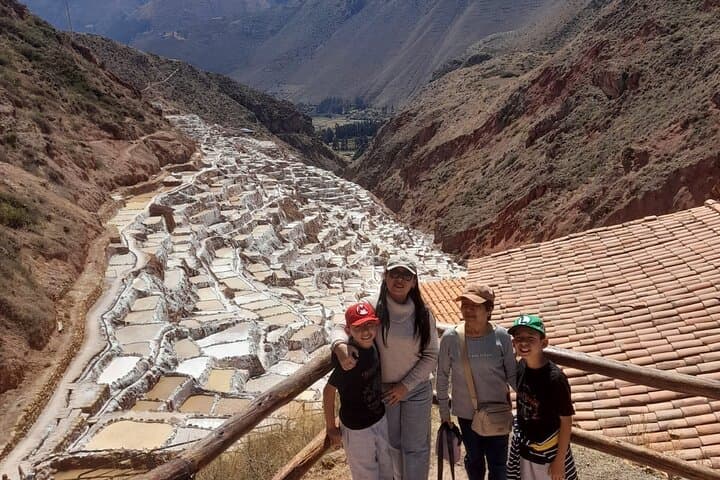
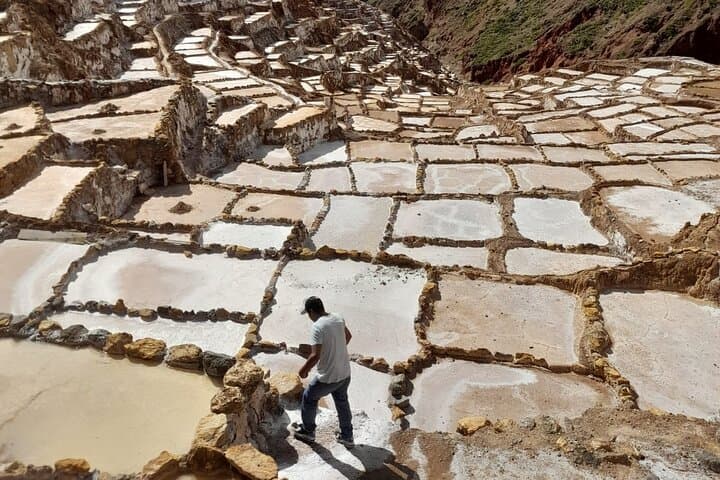
This corridor of the Sacred Valley exposes both history and geology. The concentric depressions at Moray are an Inca agricultural laboratory — engineered terraces that create microclimates for crop trials — carved from volcanic soil and carved deeper over generations. The salt pans at Maras are a mosaic of evaporative pools fed by an underground saline spring; their pink-and-white steps read like a map of local industry. Textile practices here preserve pre-Columbian dyeing and spinning techniques, reflecting Quechua language and community economies.
Expect a day of short, interpretive stops rather than strenuous hiking: demonstrations, guided walks around terraces and pans, and time for photos and market-style craft displays. Practical notes: altitude tops 3,500–3,800 m so move slowly, hydrate, and avoid heavy exertion the first day. Sturdy walking shoes and sun protection matter — surfaces are uneven, and sunlight is strong.
Tours typically include pickup, guide commentary, and private transport between sites, making it an accessible cultural outing for most travelers wanting an immediate, grounded encounter with Andean landscape and craft.
easy.
6 hours.
Light activity suited to most fitness levels; expect short walks on uneven ground and moderate altitude.
The itinerary lasts about six hours with multiple 30–45 minute stops at the textile center, Moray, and Maras.
Yes; the tour is rated easy with short walks, but guests should be able to step on uneven ground and tolerate altitude.
Most operators include round‑trip transport, a professional guide, and entry to Moray and Maras as noted in the tour listing—confirm at booking.
Yes; artisans typically sell garments and small souvenirs. Bring local currency (Peruvian soles) and ask about sustainable purchasing practices.
The concentric terraces at Moray are interpreted as Inca agricultural research plots that used altitude and sun exposure to test crop variants; Maras has produced salt since pre-Inca times.
Visitor pressure can erode fragile terraces and disturb communal resources; stick to marked paths, avoid touching delicate textile displays, and buy directly from artisan groups when possible to support local stewardship.
WPeru-Travel operates guided outdoor trips and adventures with an emphasis on safety, stewardship, and memorable experiences.
You step off the van onto cool, thin air and a high plain that pushes back: Chinchero’s weaving center hums with the measured rhythm of spindle and dye.
You step off the van onto cool, thin air and a high plain that pushes back: Chinchero’s weaving center hums with the measured rhythm of spindle and dye.
Women of the community move fibers with practiced hands, turning baby alpaca into cloth dyed with local plants; beyond them the valley slopes away toward the geometric rings of Moray and the stair-step pans of the Maras salt wells, where centuries of human ingenuity meet the bright light of the Andes.
This corridor of the Sacred Valley exposes both history and geology. The concentric depressions at Moray are an Inca agricultural laboratory — engineered terraces that create microclimates for crop trials — carved from volcanic soil and carved deeper over generations. The salt pans at Maras are a mosaic of evaporative pools fed by an underground saline spring; their pink-and-white steps read like a map of local industry. Textile practices here preserve pre-Columbian dyeing and spinning techniques, reflecting Quechua language and community economies.
Expect a day of short, interpretive stops rather than strenuous hiking: demonstrations, guided walks around terraces and pans, and time for photos and market-style craft displays. Practical notes: altitude tops 3,500–3,800 m so move slowly, hydrate, and avoid heavy exertion the first day. Sturdy walking shoes and sun protection matter — surfaces are uneven, and sunlight is strong.
Tours typically include pickup, guide commentary, and private transport between sites, making it an accessible cultural outing for most travelers wanting an immediate, grounded encounter with Andean landscape and craft.