THE ADVENTURE COLLECTIVE® · Independent discovery and booking for outdoor travel

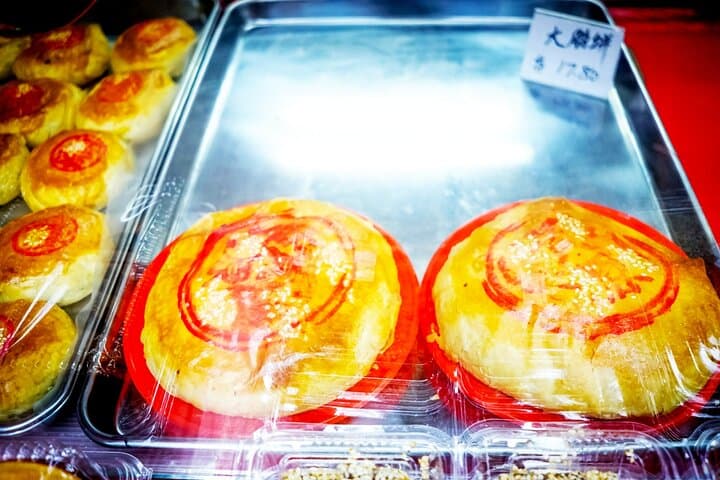
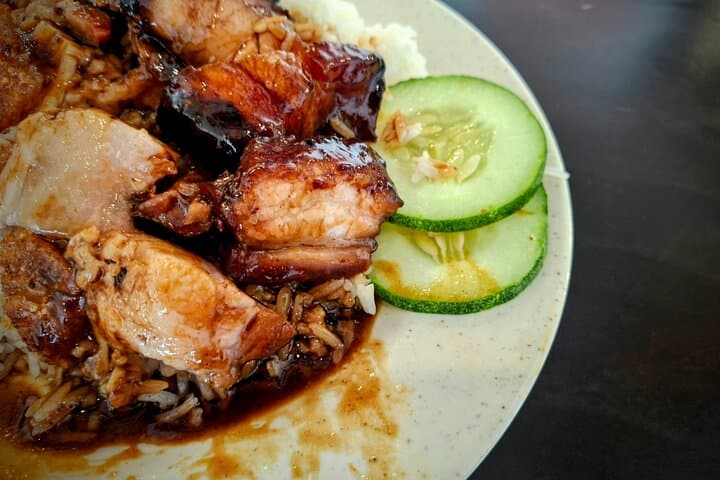
Taste your way through Chinatown on a focused three-hour walking tour that pairs more than eight shared tastings with stories of migration, family recipes and street culture. Expect heritage hawker stops, temple-side snacks, and a fixed non-halal tasting menu.
Taste your way through Chinatown on a focused three-hour walking tour that pairs more than eight shared tastings with stories of migration, family recipes and street culture. Expect heritage hawker stops, temple-side snacks, and a fixed non-halal tasting menu.
Walk past shophouse fronts flaking with time, the scent of soy and frying oil tugging you down narrow alleys where street vendors have worked the same patch for decades.
Verified experiences and guided adventures in the surrounding area.
Operated by Tours by Istoria Collective Singapore · Singapore, Singapore
Walk past shophouse fronts flaking with time, the scent of soy and frying oil tugging you down narrow alleys where street vendors have worked the same patch for decades.
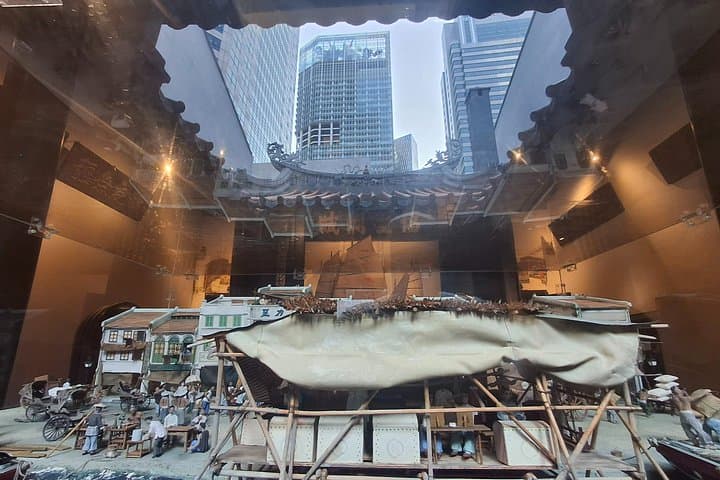
This three-hour walking tasting tour moves through Singapore’s Chinatown — a dense urban quarter formed during the 19th-century Raffles plan when Chinese immigrants clustered around trade routes. Expect stops at hawker stalls, kopitiams (traditional coffee shops) and small family kitchens where recipes reflect Chinese, Malay and Peranakan influences. Geologically the district sits on Singapore’s reclaimed coastal plain near the mouth of the Singapore River, so the streets feel flat and compact, designed for foot traffic rather than steep climbs.
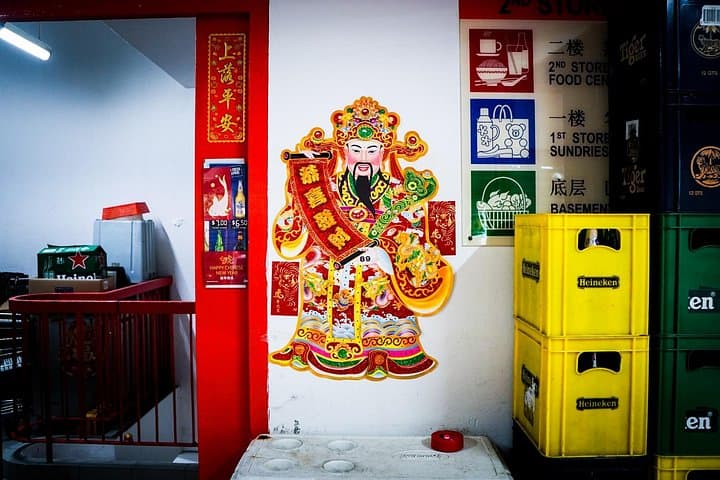
Along the route, guides unpack cultural cues: red-paper marriage notices, clan associations, and the Chinese-Buddhist temples that anchor communal life. Murals and tiled facades tell stories of migration, commerce, and daily resilience, while each tasting connects to a larger social history — preserved techniques, familial recipes and trade networks that shaped the city.
Practically, this is an easy urban walk with frequent stops. Wear comfortable shoes and allow time to stand at counters; bring a light rain layer — sudden showers are common. The tasting menu is fixed and non-halal, so check dietary constraints before booking. Cash and e-wallets are widely accepted, but small notes help at heritage stalls.
By the end you’ll have eaten through eras: a local breakfast, lunchtime street snack, a sweet finish and drinks — each bite a compact lesson in Chinatown’s past and present.
easy.
3 hours.
Suitable for most fitness levels — expect low-intensity walking and standing for tastings.
The menu is fixed and non‑halal; the operator requests guests check specific allergy concerns before booking as changes cannot be guaranteed.
The tour includes more than eight shared tastings, paired with at least one drink and multiple cultural stops.
Yes — pavements are generally flat and the operator notes stroller access, though some crowded alleyways can be tight.
The tour includes an English-speaking guide; check availability if you need another language.
Chinatown grew in the 19th century as Chinese migrants concentrated near the Singapore River; shophouse architecture and clan associations still shape the streetscape.
Support hawkers who maintain traditional techniques and minimize single-use plastics when sampling; tours are encouraged to respect queues and local businesses to reduce footprint.
Tours by Istoria Collective Singapore operates guided outdoor trips and adventures with an emphasis on safety, stewardship, and memorable experiences.
Walk past shophouse fronts flaking with time, the scent of soy and frying oil tugging you down narrow alleys where street vendors have worked the same patch for decades.
Walk past shophouse fronts flaking with time, the scent of soy and frying oil tugging you down narrow alleys where street vendors have worked the same patch for decades.
This three-hour walking tasting tour moves through Singapore’s Chinatown — a dense urban quarter formed during the 19th-century Raffles plan when Chinese immigrants clustered around trade routes. Expect stops at hawker stalls, kopitiams (traditional coffee shops) and small family kitchens where recipes reflect Chinese, Malay and Peranakan influences. Geologically the district sits on Singapore’s reclaimed coastal plain near the mouth of the Singapore River, so the streets feel flat and compact, designed for foot traffic rather than steep climbs.
Along the route, guides unpack cultural cues: red-paper marriage notices, clan associations, and the Chinese-Buddhist temples that anchor communal life. Murals and tiled facades tell stories of migration, commerce, and daily resilience, while each tasting connects to a larger social history — preserved techniques, familial recipes and trade networks that shaped the city.
Practically, this is an easy urban walk with frequent stops. Wear comfortable shoes and allow time to stand at counters; bring a light rain layer — sudden showers are common. The tasting menu is fixed and non-halal, so check dietary constraints before booking. Cash and e-wallets are widely accepted, but small notes help at heritage stalls.
By the end you’ll have eaten through eras: a local breakfast, lunchtime street snack, a sweet finish and drinks — each bite a compact lesson in Chinatown’s past and present.